
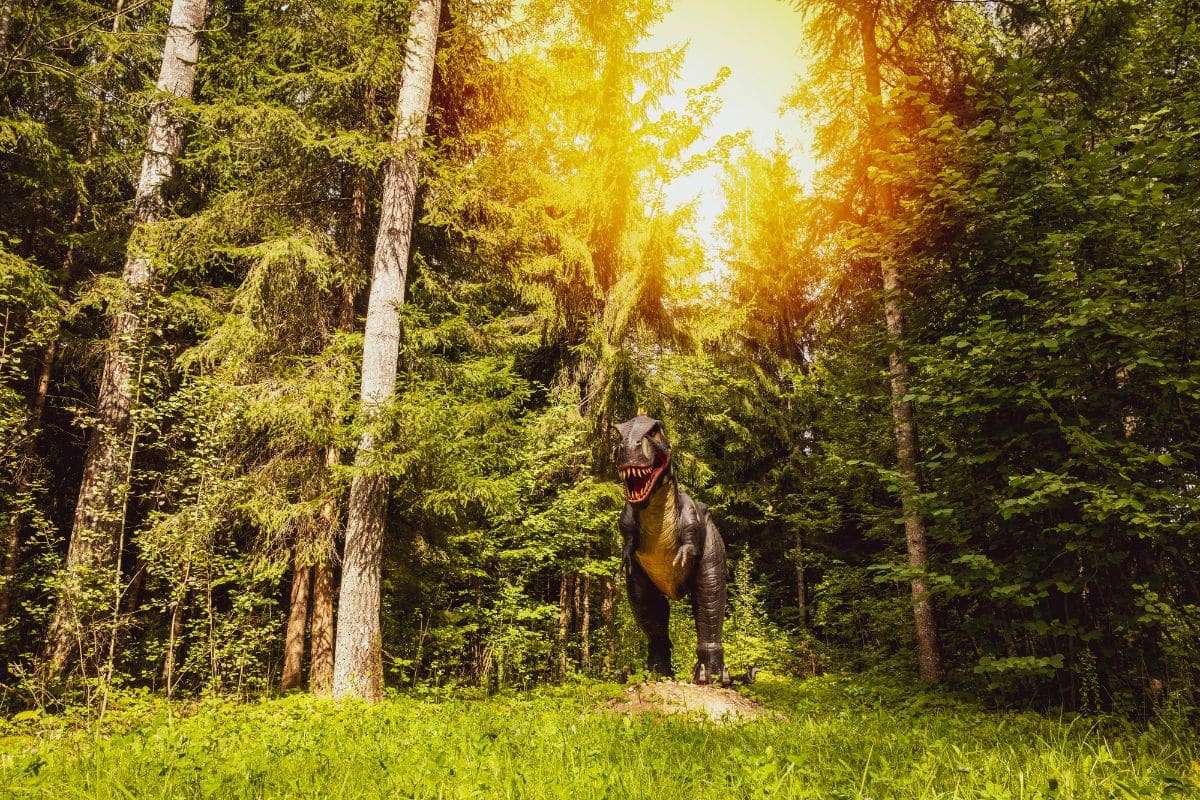
When imagining dinosaurs, we often visualize gigantic creatures wandering prehistoric terrains. Yet, their disappearance altered the environment in surprising ways that continue to influence today's forests.
New research from Northern Arizona University reveals that the extinction of the largest dinosaurs significantly shifted forest structures, driving the development of bigger seeds and fruits over time.
Colossal Creatures That Molded Their Habitat
Prior to their extinction around 66 million years ago, the largest terrestrial animals were the sauropods—massive, long-necked dinosaurs weighing up to 100 tons. These giants shaped ecosystems by trampling vegetation and felling trees, which helped maintain open forest landscapes.

That changed abruptly when a catastrophic asteroid strike eradicated the non-avian dinosaurs, sparking widespread wildfires, plunging Earth into darkness, and causing drastic climate shifts. Besides the immediate destruction, this event led to profound, long-lasting ecological transformations.
A Shift Toward Darker, Denser Forests
With the disappearance of lumbering sauropods, forests became thicker and darker. Trees grew closer, their foliage forming dense canopies that blocked sunlight from reaching the ground. Under this canopy, smaller plants struggled unless they could overcome low-light conditions.
Here, seed size turned out to be critical. Plants with larger seeds had an advantage because their seedlings contained more stored nutrients, helping them grow taller and access the limited sunlight. Over millions of years, this drove gradual increases in fruit and seed sizes as species adapted to their dimmer habitats.
The Emergence of Larger Fruits and Seeds
The study highlights that plant adaptation was tightly linked to the animals consuming and dispersing their seeds.
As fruits grew larger, they attracted animals capable of eating and spreading them, including early primates.
During forest transformation periods, primates diversified and increasingly incorporated fruits into their diets. These fruits, larger and more nutrient-rich, may have influenced primate evolution, promoting traits like enhanced vision for spotting ripe fruit, stronger jaws, and improved cognitive skills to remember fruit locations.
The Mammalian Giants That Reshaped Forests
But the evolutionary tale continued. The research also reveals that roughly 35 million years ago, seed sizes began decreasing once more. This reversal coincided with the rise of new large herbivores—early elephants, rhinos, and other colossal mammals.
These mammals filled ecological roles similar to extinct sauropods, trampling through forested areas, knocking down trees, and opening the canopy.
As sunlight penetrated more freely again, large seeds became less advantageous, paving the way for plants with smaller seeds to thrive.
- Categories:
- Science








0 comments
Sign in to Comment