
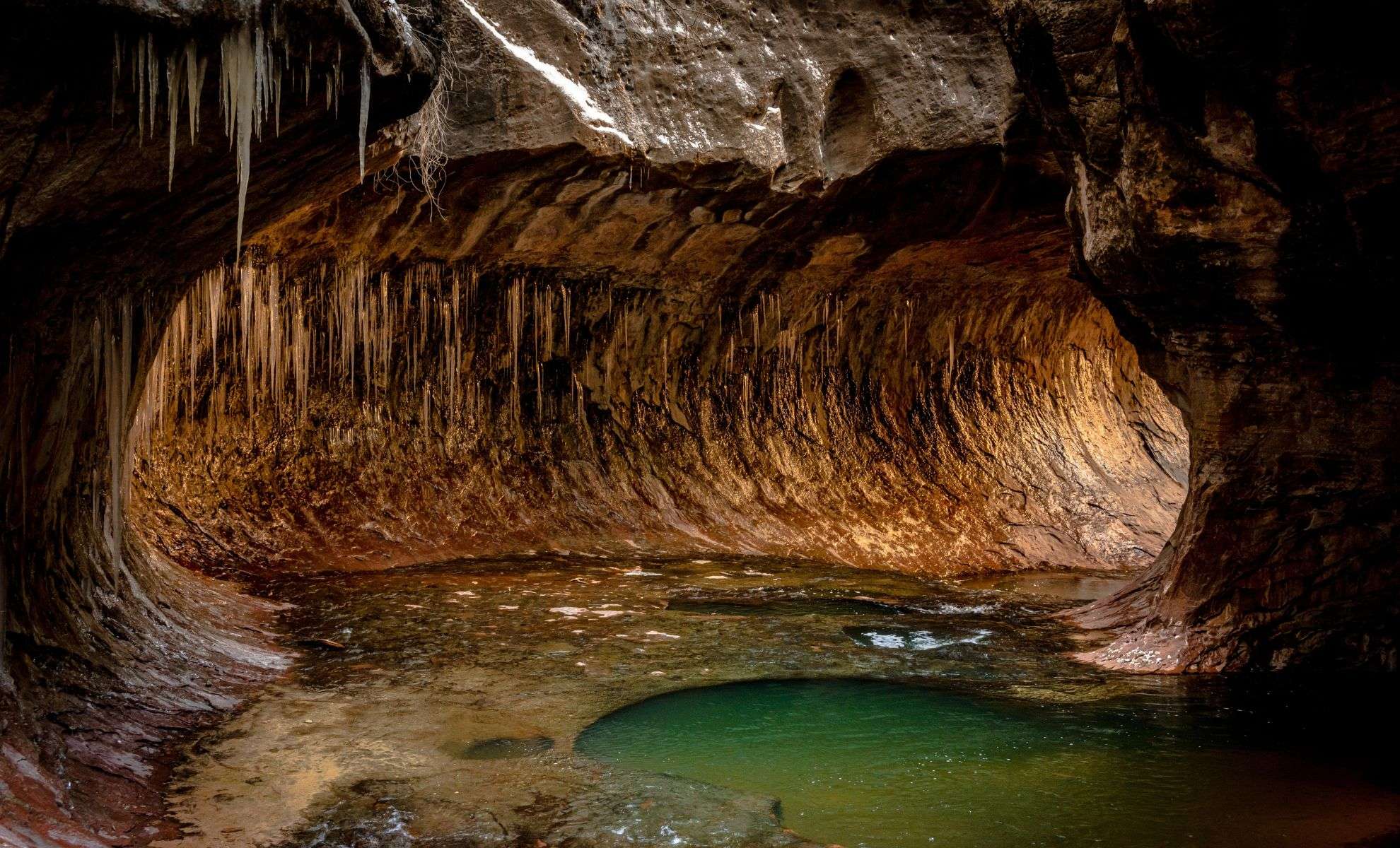
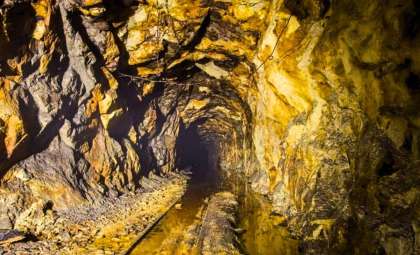
In 2016, deep within a Canadian mine nearly three kilometers beneath the surface, Professor Barbara Sherwood Lollar and her research team made an extraordinary find: the water they encountered was the oldest ever discovered on the planet. Estimated to be between 1.5 billion and 2.6 billion years old, this ancient water offers an unprecedented window into Earth's distant geological history. What captured even more attention was Sherwood Lollar's bold choice to taste the water firsthand.
Discovering Flowing Ancient Water
During their investigation, Sherwood Lollar and her colleagues anticipated uncovering small, isolated water pockets. To their amazement, the water was instead actively flowing, emerging at rates of several liters per minute. Sherwood Lollar clarified, “Many imagine this water as minuscule droplets trapped inside the rock formations, but in reality, it’s vigorously bubbling up.” This unexpected volume of moving water defied earlier assumptions about subterranean waters from Earth's primordial eras.
She described the sample as “extremely salty and bitter,” far more so than ocean water. For geologists, a higher salt content often signals water that has been trapped for extensive periods, as minerals leach into the liquid over time. This salinity level reinforced their conclusion about the water’s immense age.

Microbial Signatures in the Ancient Fluid
Further chemical analysis revealed traces of microbial life within the water. By examining sulphate concentrations—a key indicator linked to salt—Sherwood Lollar’s team confirmed that microbial communities likely inhabited these waters for billions of years. “The chemical signals we detected strongly suggest microbiological activity,” she explained. This remarkable discovery implies that these microorganisms endured in isolation for vast geological timescales.
The implications extend beyond Earth's history, providing valuable clues about life’s potential survival in extreme environments. This finding reshapes our understanding of how organisms can persist in remote, isolated habitats and offers critical insight relevant to the ongoing search for extraterrestrial life.
A Scientist’s Personal Encounter
In a surprising move, Sherwood Lollar herself sampled the ancient water. “Geologists occasionally taste rocks as part of their work,” she joked, but noted this water had a notably stronger flavor. She described it as “very salty and bitter, much more so than seawater.” Thankfully, the experience caused no harm, allowing her to continue her vital research without incident.
The research, published in Nature in 2016, has since become a cornerstone for understanding Earth's deep subterranean aquatic ecosystems and illustrates the resilience of life under extreme and enduring conditions.
- Categories:
- News



0 comments
Sign in to Comment