
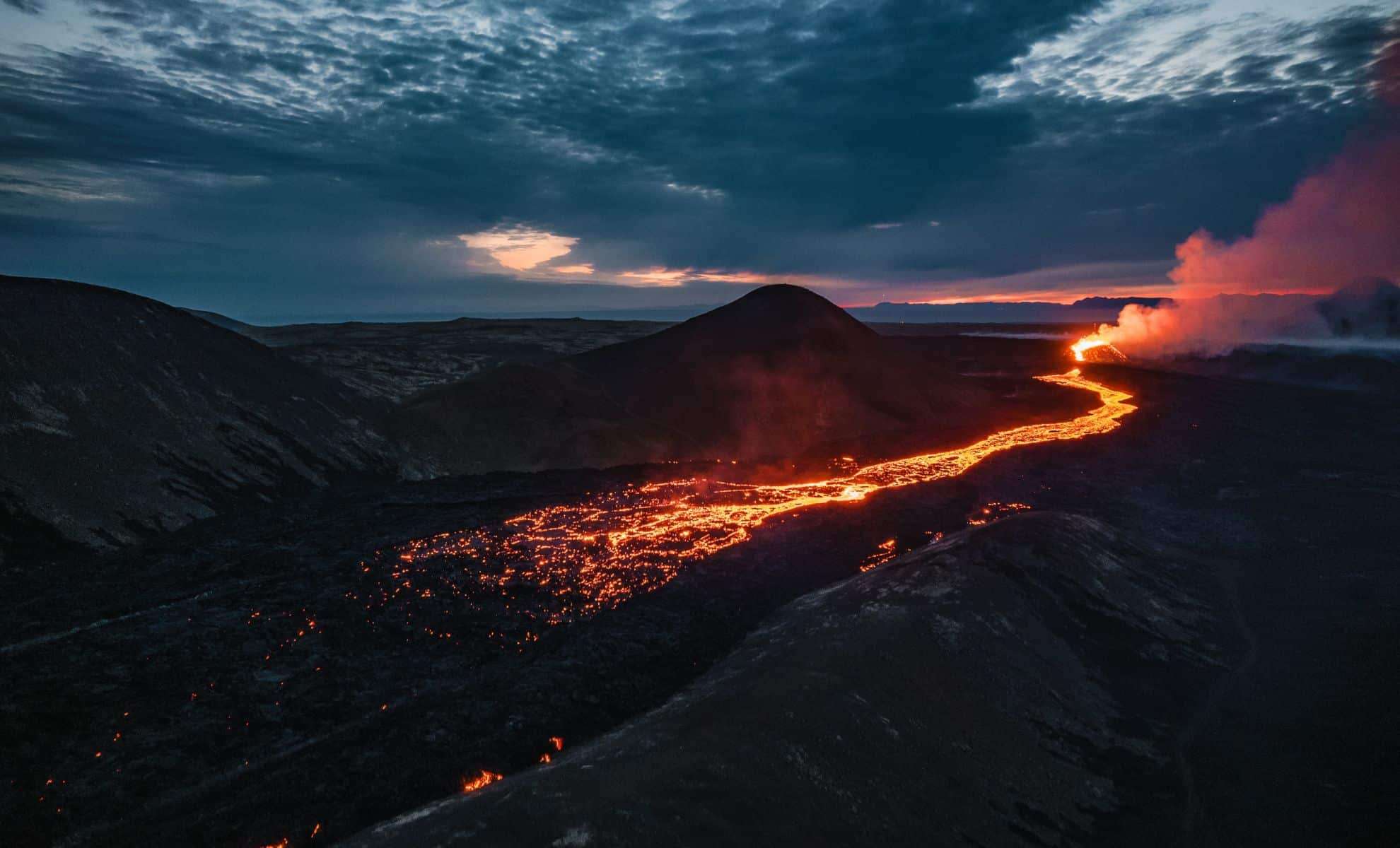
New findings indicate that the shrinking of glaciers could reactivate dormant volcanoes across the globe. As Earth's temperature rises, melting ice sheets may trigger violent volcanic eruptions in volcanic hotspots, altering landscapes and potentially accelerating climate change.
Sleeping Volcanoes Beneath Expanses of Ice
Vast ice sheets cover numerous volcanoes in regions such as Antarctica, Russia, New Zealand, and North America. These icy blankets have traditionally suppressed volcanic activity by exerting pressure on subsurface magma chambers, thereby reducing eruption frequency and magnitude. However, with glaciers rapidly melting, this suppression diminishes. A recent study, unveiled at the 2025 Goldschmidt Conference in Prague, reveals that these once-quiescent volcanic systems may now experience more frequent and intense eruptions.
“Melting glaciers remove the weight that restricts volcanic eruptions, causing these volcanoes to erupt more often and more violently,” explained Pablo Moreno Yaeger, a graduate researcher at the University of Wisconsin-Madison and lead author of the study.

Tracing Volcano Behavior Through Geological History
Evidence from Earth's past supports this theory. Researchers focused on six volcanoes in southern Chile, including the inactive Mocho-Choshuenco volcano. By examining volcanic activity during the last ice age, they explored the response to ice sheet melting between 26,000 and 18,000 years ago in Patagonia.
Using techniques such as argon radioactive decay in volcanic rocks and studying crystal growth in magma, the team reconstructed eruption timelines and intensities. Their results confirmed that extensive ice cover suppressed eruptions, allowing magma reservoirs to accumulate. When the ice melted, the sudden reduction in pressure triggered a surge in eruptions, eventually forming the Mocho-Choshuenco volcano.
A Worldwide Trend Emerges
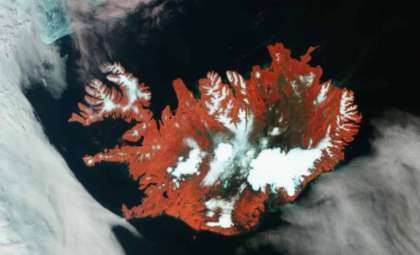
This link between ice loss and volcanic activity extends beyond the Southern Hemisphere. Research dating back to the 1970s highlights Iceland as a key example, where the retreat of glaciers about 10,000 years ago sparked a dramatic 30 to 50-fold rise in volcanic eruptions. Iceland’s position at the tectonic plate boundary amplifies this effect.
A 2020 analysis revealed that 245 volcanoes around the globe are located beneath or within five kilometers of glacial ice. “For a volcano to become explosively active following ice loss, there needs to be a previously thick glacial cover over the magma chamber,” stated Moreno Yaeger. “This process is currently underway in areas like Antarctica,” he added, highlighting North America, New Zealand, and Russia as regions requiring close observation.
Volcanic Activity’s Role in Climate Dynamics
The consequences of these ice-driven eruptions extend into climate science. Although volcanic eruptions can emit sulfate aerosols that temporarily cool the atmosphere by reflecting sunlight, they also release significant amounts of greenhouse gases, including carbon dioxide and methane, which contribute to long-term warming.
“Repeated eruptions increase greenhouse gas concentrations, driving sustained global warming,” Moreno Yaeger said. This sets up a positive feedback loop: diminishing glaciers lead to volcanic eruptions, which release greenhouse gases that further accelerate warming and ice loss, resulting in even more volcanic activity—creating a cycle of escalating environmental change and volcanism.
- Categories:
- News






0 comments
Sign in to Comment