
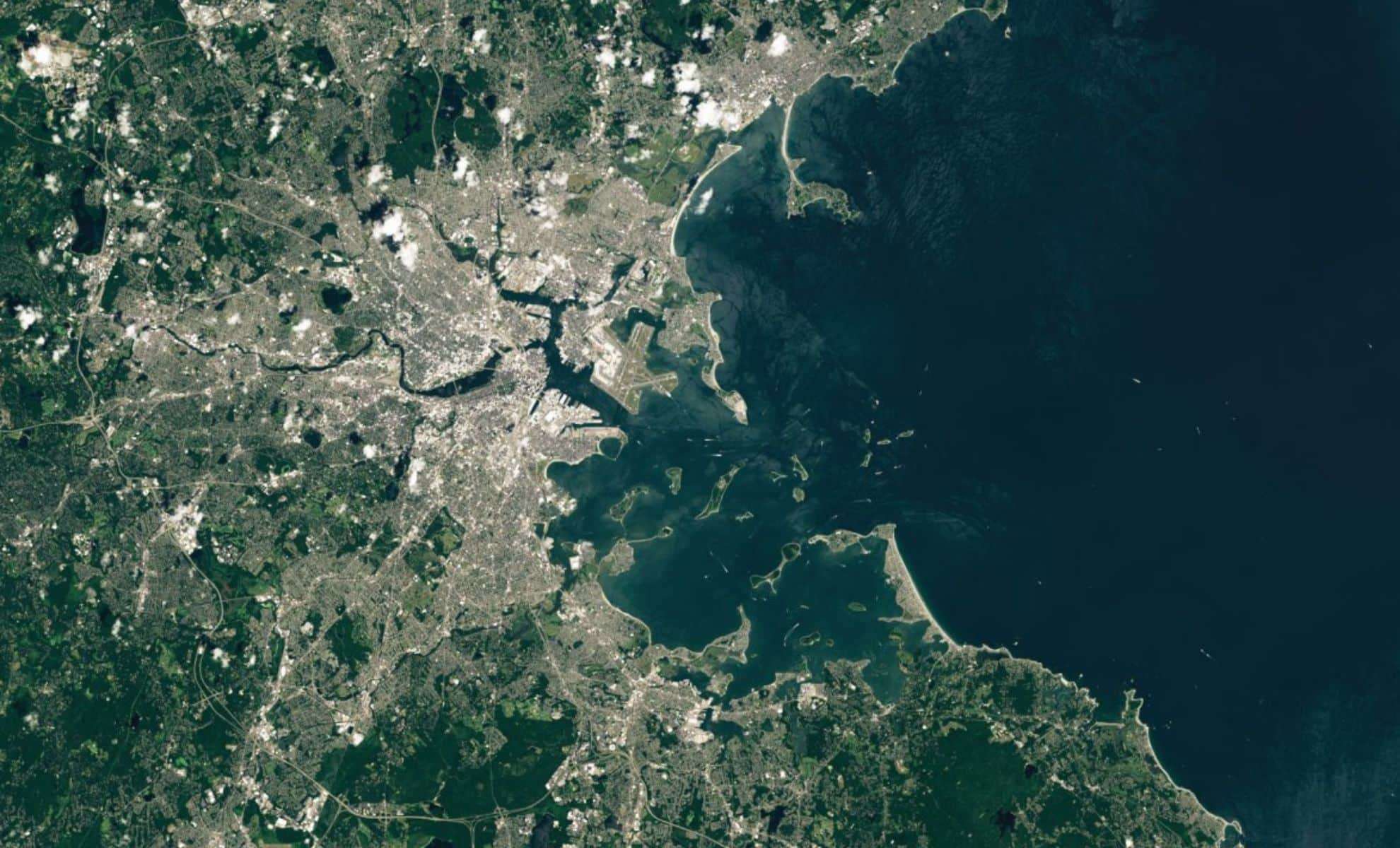
A recent image captured by NASA showcases Boston Harbor’s extraordinary drumlin islands, fascinating both researchers and nature lovers alike. Taken on July 19, 2024, using the Landsat 8 Operational Land Imager, this stunning photo highlights a seldom-seen geological phenomenon. Featured in a detailed report on the NASA Earth Observatory, it emphasizes the importance of these islands, which are remnants of glaciers from the Wisconsin Glaciation dating back over 20,000 years.
Drumlin Islands: Ancient Glacial Sculptures in Boston Harbor
Today, Boston Harbor is a vibrant center of culture and tourism, but it was originally shaped by immense glacial forces. The drumlin islands consist of elongated hills composed of glacial deposits, formed more than 20,000 years ago during the last Ice Age. At that time, glaciers up to a mile thick covered the region now designated as the Boston Harbor Islands National and State Park.
When these glaciers receded, they left behind sedimentary formations that evolved into the drumlins seen today. These islands represent a rare planetary feature, with only two other notable drumlin areas known—the Clew Bay drumlin field in Ireland and a comparable site in Canada. Beyond their geological allure, these islands serve as a frozen snapshot of the harbor’s glacial heritage.

North America’s Sole Partially Submerged Drumlins
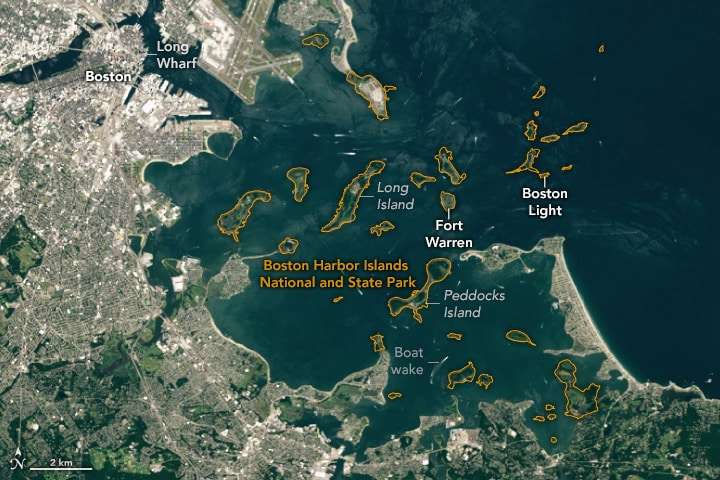
Drumlins are present worldwide, but those in Boston Harbor are exceptional due to their partial submersion. This site constitutes the only known partially submerged drumlin field in North America, giving geologists a rare chance to explore glacial impact on submerged and terrestrial landscapes alike.
NASA explains that these drumlins owe their shape not just to glacial debris but also to rising sea levels, which transformed many of these formations into islands. As melting glaciers caused waters to rise, several drumlins became partially flooded, creating the scenic harbor dots seen today.
Geoscientist Jasper Knight from South Africa’s University of Witwatersrand observes, “Previous ideas of slow, steady advance, or retreat, really don’t hold. Glaciers are dynamic.” His comment underscores the intricate and fluctuating nature of glacial movements responsible for Boston Harbor’s current landscape.
Historic and Ecological Richness of the Islands
Aside from their geological importance, these islands hold significant historical landmarks and vital ecosystems. Four islands are accessible by road, while others require seasonal ferry service or private boats. Collectively, they are preserved within the Boston Harbor Islands National and State Park, dedicated to maintaining the area's natural and cultural heritage.
Among the harbor’s notable landmarks is Boston Light, America’s oldest active lighthouse, standing since 1716 on Little Brewster Island. Another historic site, Fort Warren on Georges Island, served as a crucial Civil War prison holding Confederate officers, including Alexander Stephens, the Vice President of the Confederacy.
These islands also host diverse habitats such as salt marshes, sandy shores, seagrass beds, tidal pools, mudflats, and hardwood woodlands. The surrounding marine environment thrives with mussels, barnacles, and a vast array of mammals, birds, reptiles, and amphibians.
Boston Harbor Drumlins as a Vital Research Site for Climate and Ecology
Beyond history and geology, the drumlin islands serve as an invaluable setting for monitoring climate change effects on fragile coastal ecosystems. Scientists are observing these areas closely as rising sea levels threaten to reshape habitats, influence wildlife populations, and accelerate shoreline erosion.
Salt marshes and tidal pools are especially sensitive to increasing water levels, endangering many species that depend on them. Consequently, Boston Harbor’s drumlins provide a living laboratory for assessing how coastal environments may evolve under future climate pressures.
- Categories:
- News











0 comments
Sign in to Comment