
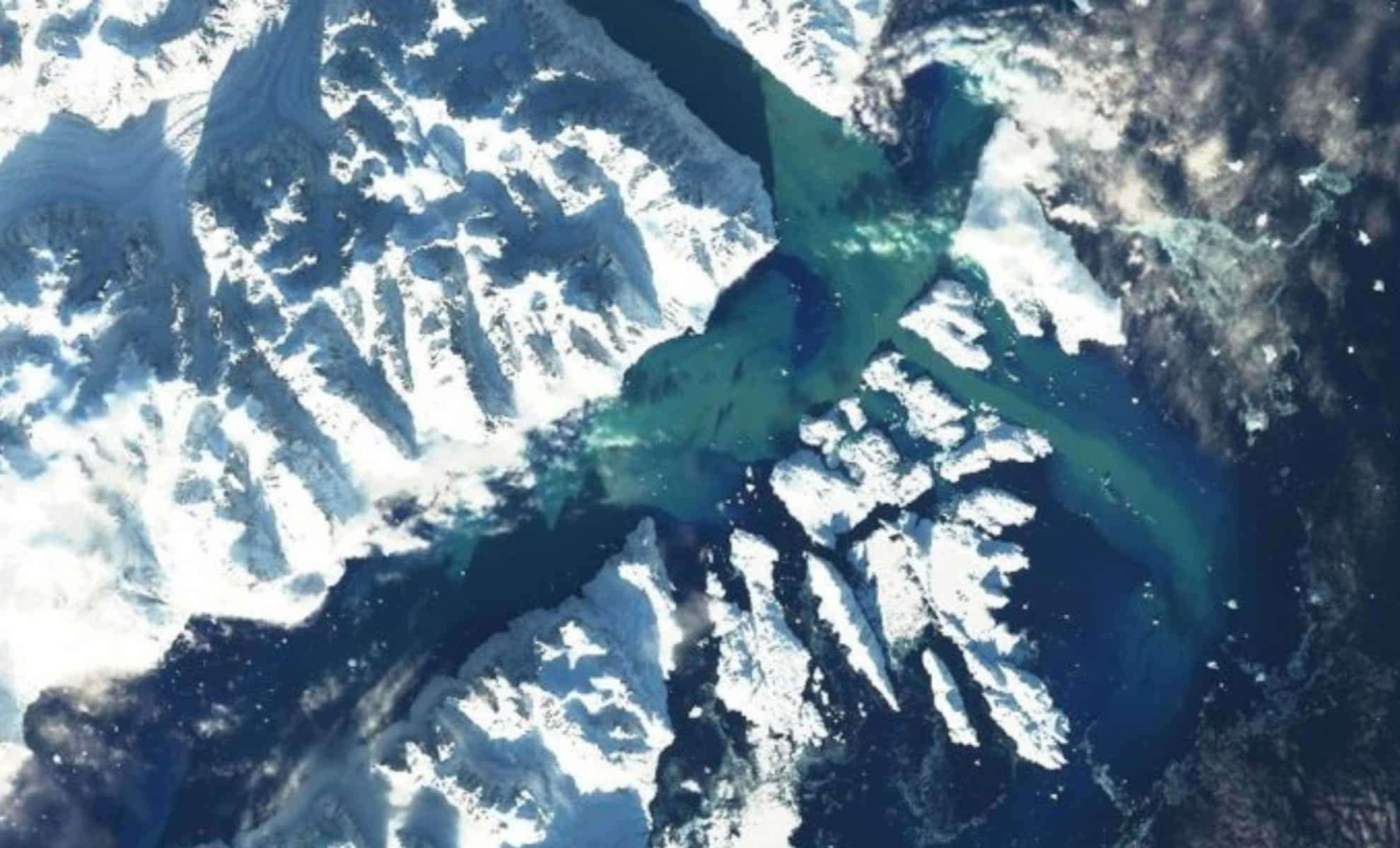
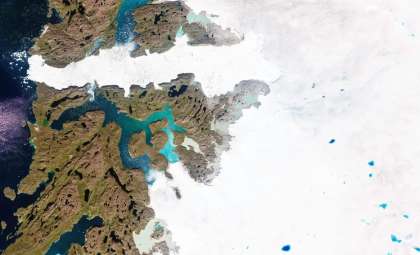
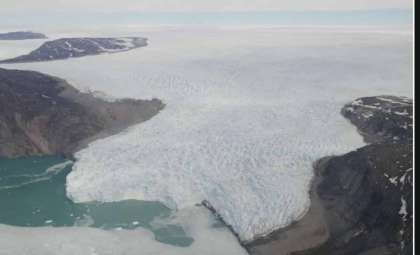
Researchers have recorded an extraordinary glacial flood in East Greenland, releasing approximately 3,000 billion liters of meltwater over a few weeks. This event, among the largest glacial lake outburst floods (GLOFs) ever observed, carved a tunnel stretching 25 kilometers beneath the Edward Bailey Glacier, channeling water into Scoresby Sound, the planet’s biggest fjord.
For the first time, scientists from the University of Copenhagen’s Niels Bohr Institute successfully monitored and quantified this phenomenon as it unfolded, utilizing satellite technology. Previously, such floods were inferred only by geological evidence, but this real-time monitoring provides invaluable information on the increasing instability of glacial lakes driven by climate change.
As global temperatures climb, glaciers are rapidly retreating, causing glacial lakes to expand and become prone to sudden, intense water releases. These floods can dramatically alter terrain, impact ecosystems, and threaten communities downstream. Insights gained from this Greenland event could improve future predictive models and risk management strategies.

Groundbreaking Real-Time Data on Glacial Lake Outburst Floods
Observing GLOFs directly has historically been challenging for climate specialists and geologists due to environmental constraints. This specific Greenland flood represents a milestone, capturing precise flow volumes and pathways during the event.
“Prior to this, evidence of similar floods came only from landscape markings, and factors like polar night and cloud cover complicated satellite surveillance. This is the inaugural occasion for real-time water volume measurements during such a flood,” states Aslak Grinsted, climate scientist at the Niels Bohr Institute.
The flood originated from the gradual buildup of meltwater in Catalina Lake, which remained dammed behind the Edward Bailey Glacier for approximately two decades. Increasing water pressure lifted the glacier slightly, forming a subglacial channel and enabling a powerful release of water. This natural dam breach unleashed vast quantities of water cascading through the ice into the fjord below.
Escalating Risks Amid Global Warming
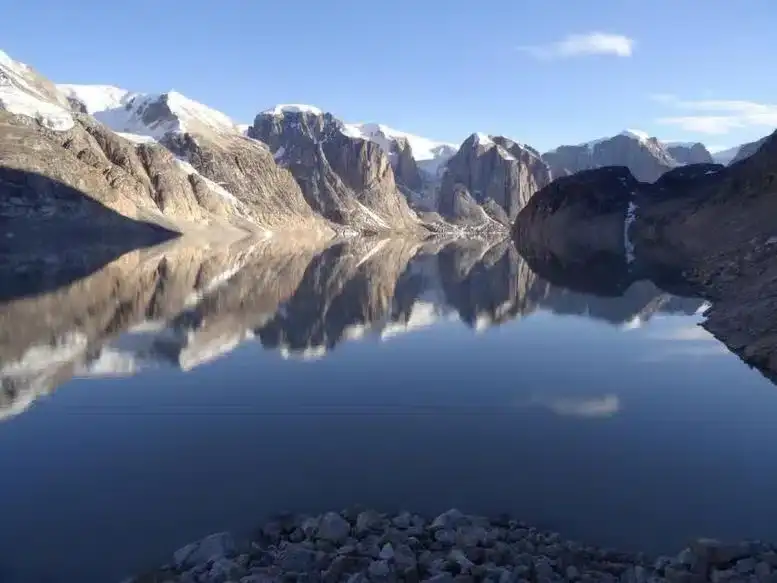
Events like these GLOFs are occurring with increasing frequency as glaciers melt at an accelerated pace. Higher temperatures cause glaciers to recede, leading to the formation of unstable meltwater lakes that can burst suddenly, triggering dangerous floods in nearby regions.
Although the Greenland flood posed minimal immediate risk due to low local population density, such incidents have caused severe losses and destruction in other regions, such as the Himalayas, the Andes, and Alaska. A 2023 study identified roughly 15 million people globally as vulnerable to these deadly floods.
“The threat from glacier-formed lakes is growing alongside global warming. Enhancing our understanding and monitoring capabilities is crucial for issuing timely warnings,” remarks Grinsted.
This Greenland flood serves as a stark forecast: ongoing ice sheet retreat may generate larger lakes and more frequent, devastating floods. Without enhanced surveillance, many areas could face sudden disasters.
The Flood’s Remarkable Energy Output
The flood unleashed tremendous energy, with the volume and velocity of water comparable to a massive hydroelectric surge, surpassing the power of many renowned waterfalls worldwide.
“The energy discharged by this glacier flood matches the output of the world's largest nuclear power plant operating at full capacity for 22 consecutive days,” Grinsted explains.
This comparison highlights the immense, largely untapped potential energy stored in glacial meltwater. Harnessing this power could offer a valuable renewable energy source, but Greenland's remote terrain and insufficient infrastructure present major hurdles.
“Like many natural resources in Greenland, infrastructure limitations present challenges. However, if innovative engineering solutions are developed, these meltwater surges could become significant energy sources,” adds Grinsted.
Although it’s uncertain when or if such technology will emerge, capturing energy from glacial floods has become an intriguing prospect for climate scientists and engineers.
Looking Ahead: Preparing for Future Floods
This East Greenland outburst flood represents a glimpse into the future, as experts anticipate even larger glacial lakes and more dramatic floods as global warming progresses.
“It’s likely that outbursts from much larger ice-dammed lakes will occur as Greenland’s ice sheet continues shrinking over coming centuries. For example, at the end of the last Ice Age, Lake Missoula’s outburst was 2,500 times greater than Catalina’s recent event. Studying such events is essential to grasp these immense natural forces,” Grinsted says.
Real-time observation of these floods will help develop advanced early-warning systems to protect vulnerable populations dependent on glacier-fed rivers for water, agriculture, and energy.
- Categories:
- News




0 comments
Sign in to Comment