
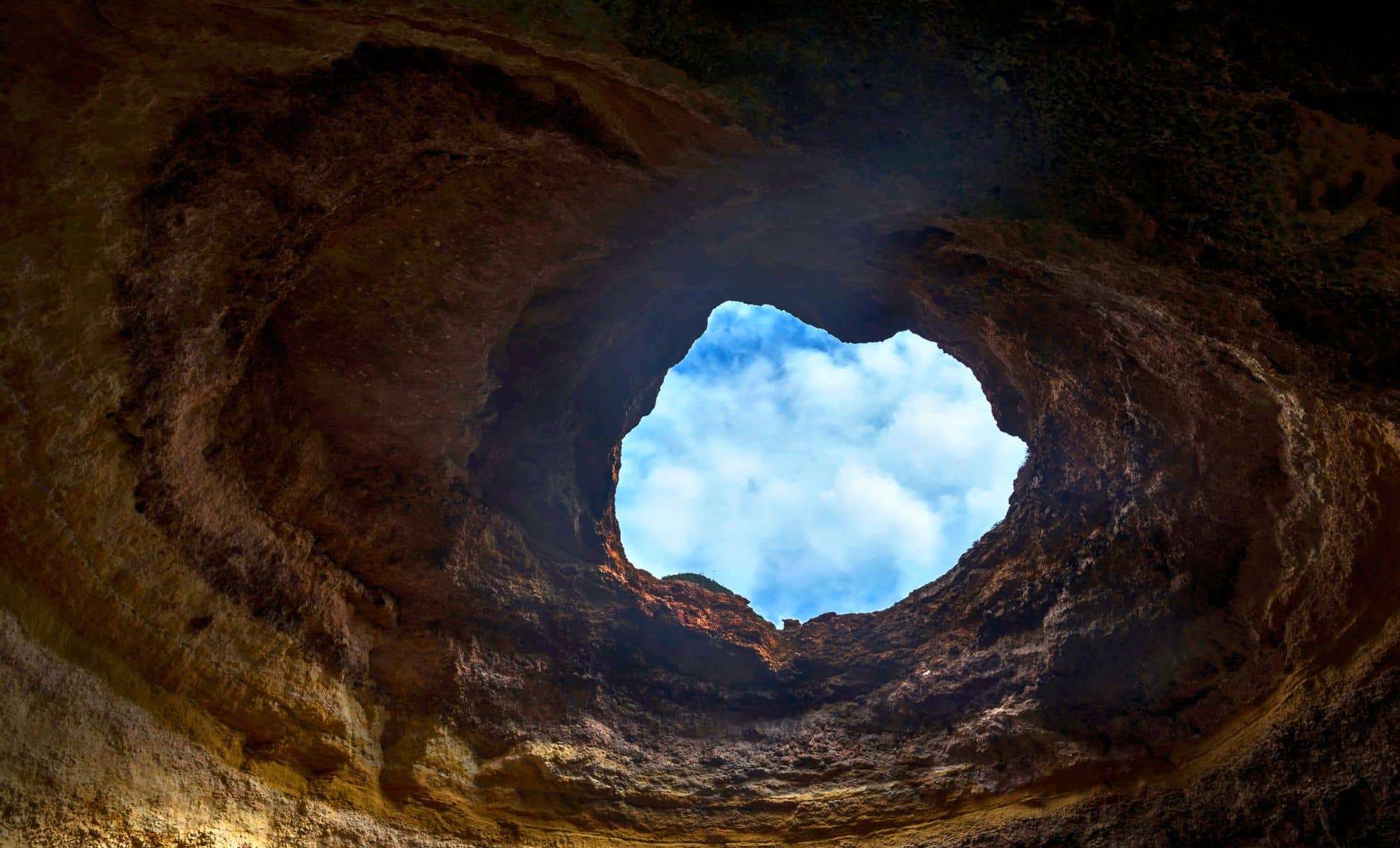
Researchers have recently discovered enormous underground passageways beneath parts of Brazil and Argentina, which evidence suggests were carved out by colossal ground sloths during the Ice Age.
These extensive tunnels, termed paleoburrows, display unique characteristics that strongly point to construction by extinct megafauna rather than natural geological activity or human involvement, as detailed in a publication in Ichnos.
Enormous, Well-Defined Tunnels Defy Natural Origins
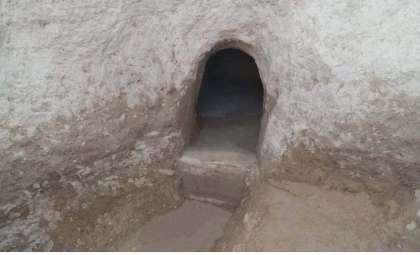
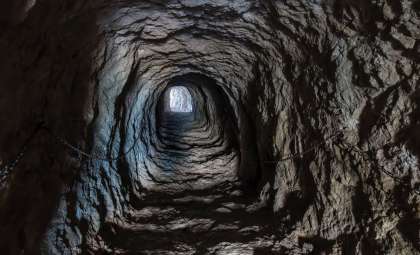
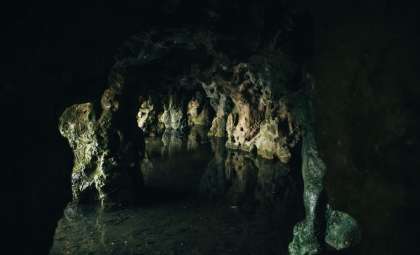
The most impressive burrows, some nearly 2,000 feet in length, were first identified in Brazil’s Rio Grande do Sul state. Over 1,500 such tunnels have been recorded, many featuring polished walls, vaulted arches, and prominent claw scratches etched into their stone surfaces.

Geologist Heinrich Frank discovered one during a site inspection and noted the tunnels’ architecture does not correspond with any conventional natural formations. Their circular or elliptical shapes and scale distinguish them from structures formed by erosion, lava, or human excavation tools.
“These aren’t caves,” Frank explained. “They were dug. And there’s no known geological process in this region that can explain them.” What they do resemble are dens, an enormous burrows that could only have been made by very large animals.
Ice Age Ground Sloths as Architects of These Vast Tunnels
Current research points to giant ground sloths—herbivorous mammals of immense stature, comparable to today’s elephants—as the creators of these tunnels. These creatures possessed powerful limbs and pronounced claws ideal for digging. While their descendants, the modern tree sloths, are much smaller and slower, their prehistoric ancestors wielded the strength to significantly alter their habitats.
Scientists propose that these passages might have been used for multiple functions, including shelter from the elements, regulating temperature, nesting, or communal living. The structural consistency and evidence of prolonged use suggest the tunnels were continuously maintained and expanded across generations.
Footprints Capture Intense Ice Age Predator-Prey Dynamics
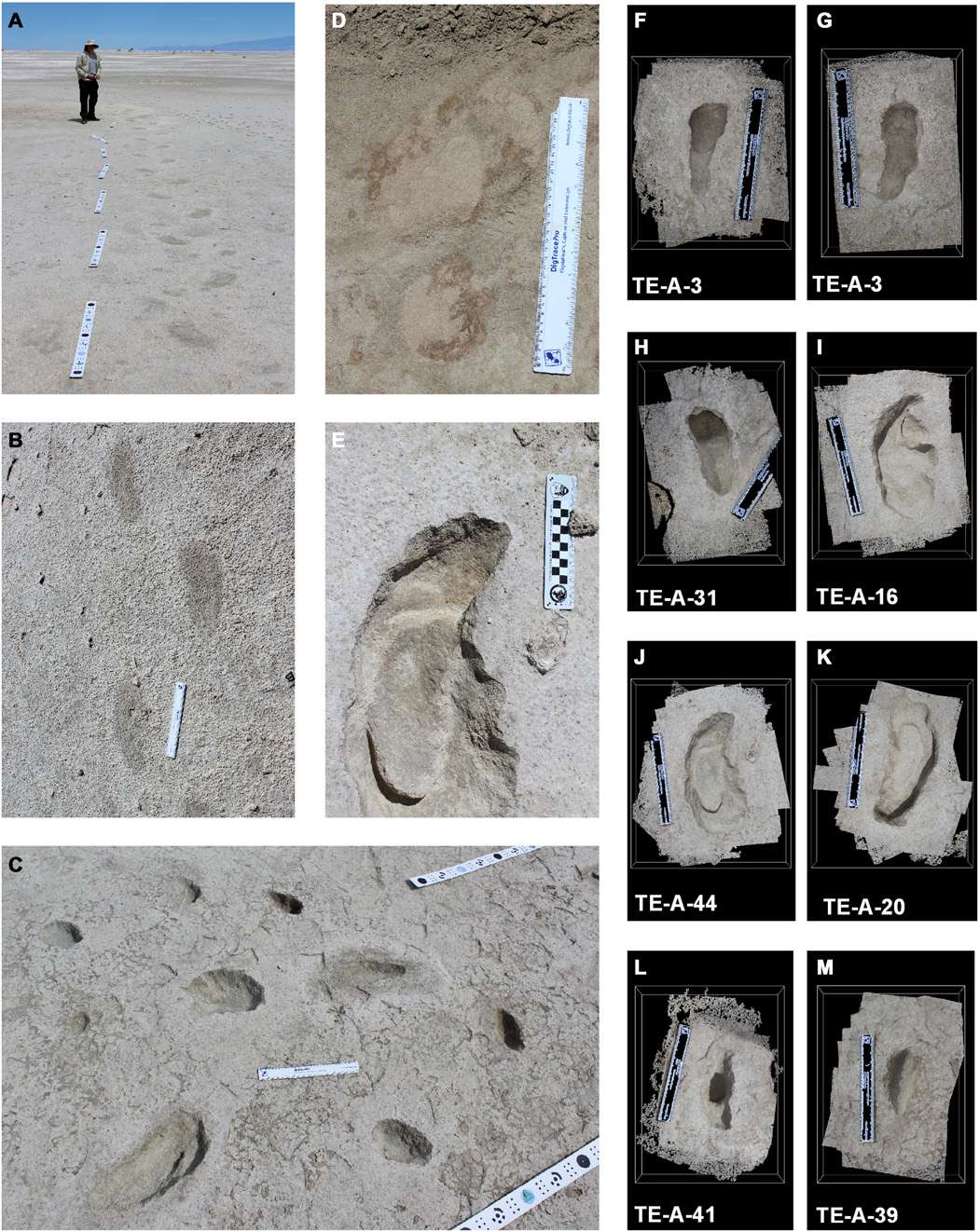
Besides the impressive tunnel systems, fossilized footprints found at White Sands National Park in New Mexico reveal startling interactions between ancient humans and giant sloths, dating back to the Pleistocene epoch.
A 2018 research uncovered tracks of humans trailing closely behind those of giant sloths, suggesting a chase scenario frozen in time. Some sloth tracks show abrupt shifts or pauses, possibly indicating awareness of pursuing humans.
This rare evidence not only portrays these enormous creatures as targets of human hunting but also implies that their underground burrows likely offered refuge during such encounters.
Initially mistaken for abandoned mine tunnels or cave collapses due to their size, these paleoburrows provide invaluable insights into extinct species' behaviors—how they lived, moved, and reacted to threats in their surroundings—details that fossils alone cannot reveal.
- Categories:
- News






0 comments
Sign in to Comment