
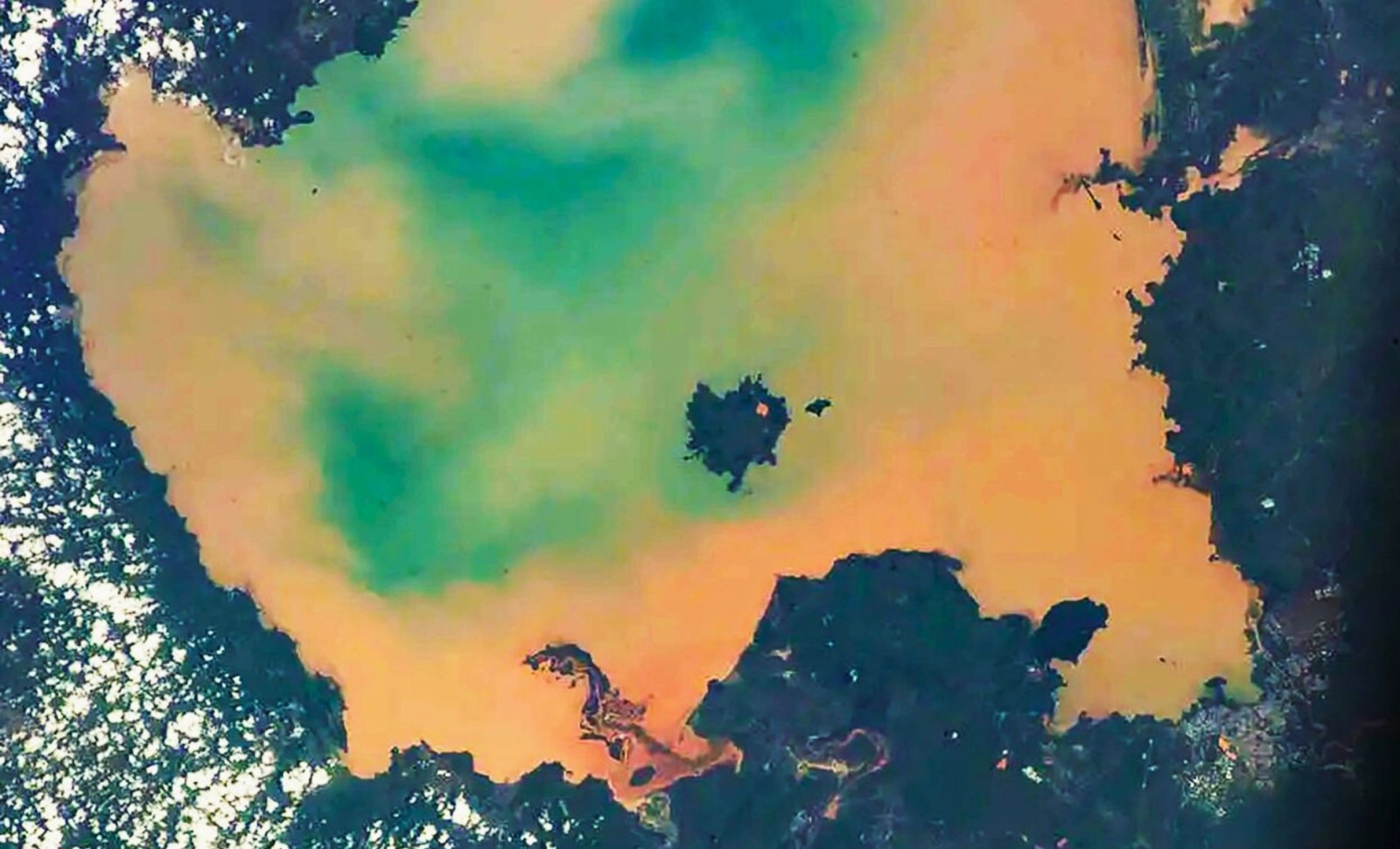
Situated in Ethiopia’s highlands, Lake Tana has historically reflected a vibrant blue, serving as both a vital natural resource and cultural heartland for millions. Today, astronauts aboard the International Space Station observe a drastic color change: a vast expanse of murky green spreading across the waters. This iconic African lake is undergoing a profound transformation.
The shift in hue indicates more than just a surface change—it signals severe ecological distress. Lake Tana, the origin of the Blue Nile, is experiencing intensified eutrophication, a phenomenon that reduces oxygen levels, endangers native species, and threatens the traditional livelihoods reliant on its waters. Experts caution this may highlight a broader environmental crisis in East Africa’s freshwater ecosystems.
The roots of this disruption combine human impact and climate vulnerabilities. Increasing agricultural activities, untreated municipal waste, and invasive flora are undermining the lake’s natural balance. Through satellite monitoring, scientists are observing this degradation almost in real time, providing critical insights into the destabilization of this high-altitude water basin.

From Pristine Blue to Toxic Green
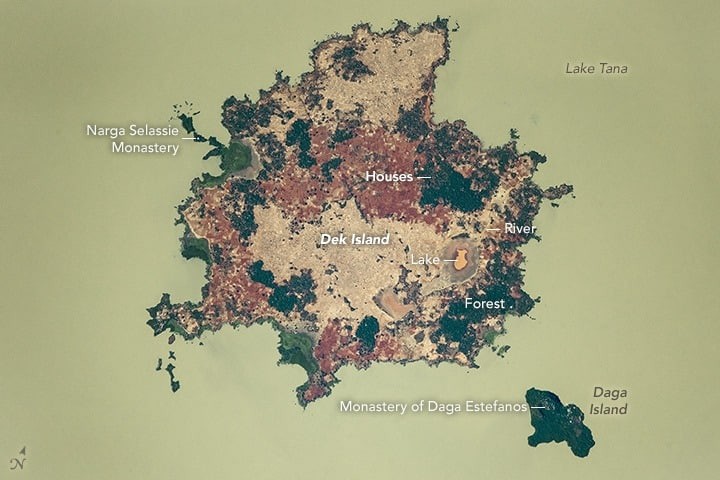
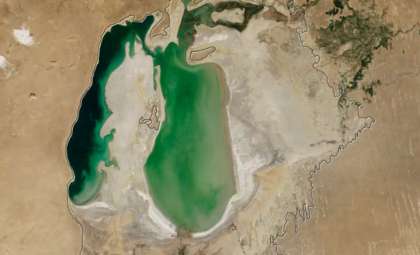
The observable change in Lake Tana’s appearance is stark from space. In a 2017 astronaut image taken aboard the ISS, the lake’s typical deep blue is overtaken by a milky green tint, particularly near Dek and Daga Islands. This discoloration aligns with an increase in chlorophyll-a concentrations, signaling intense harmful algal blooms.
Research led by Bekalu Asres from Debre Markos University reveals that chlorophyll levels have surged eightfold between 2003 and 2020, mainly fueled by fertilizer runoff from nearby farmlands. This study integrated MODIS Terra satellite data with extensive water sampling to document widespread algal blooms, peaking in dry seasons when stagnant water, intense sunlight, and nutrient influx converge.
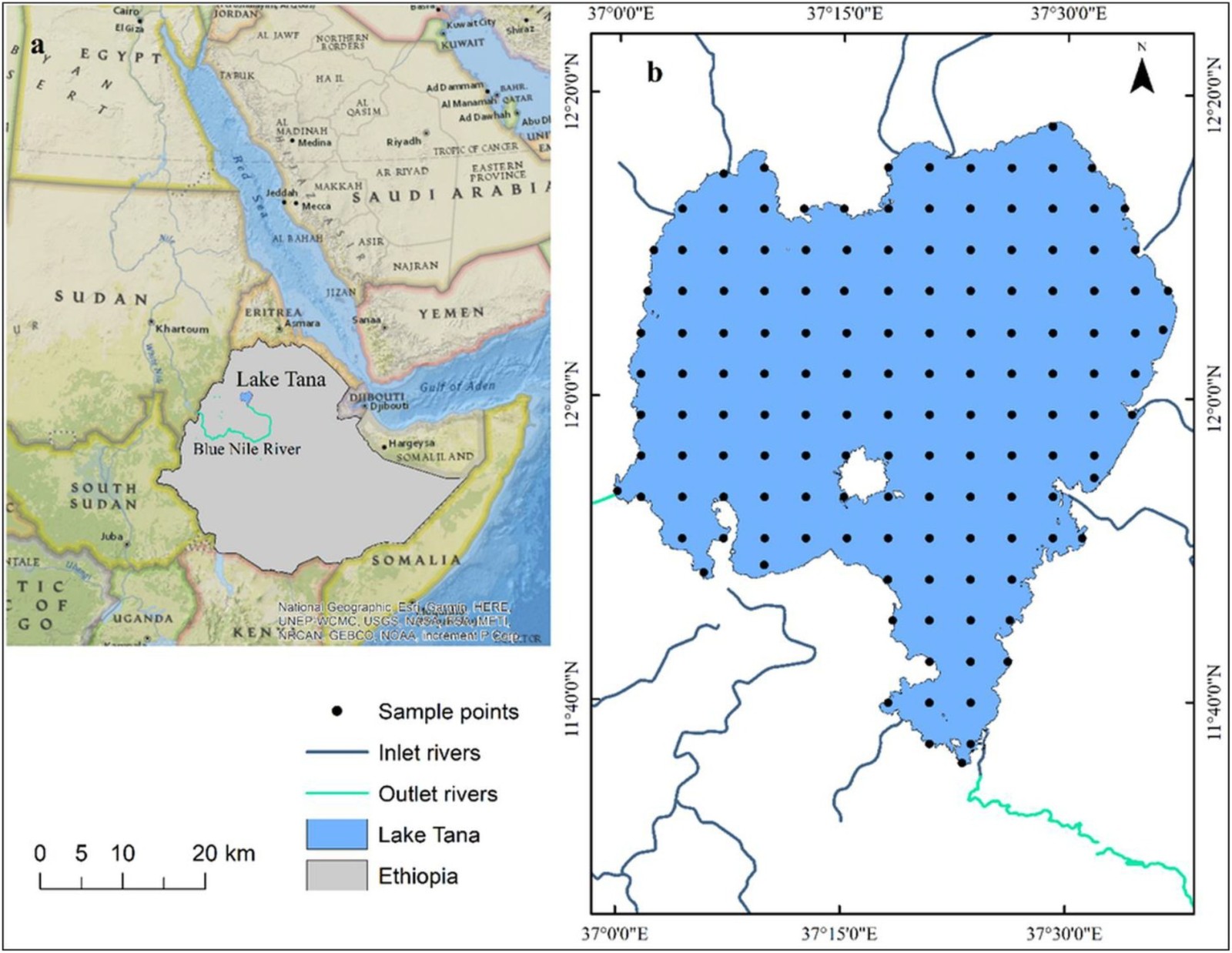
“The rise in nutrient loads directly correlates with increased farming activities,” explained Asres. His team identified highest chlorophyll levels at river inlets such as Gilgel Abay, Gumara, Ribb, and Megech Rivers, attributing nutrient enrichment primarily to upstream agricultural runoff.
Compounding this, insufficient urban waste management from Bahir Dar city, located at Lake Tana’s southern shore, exacerbates the problem. With limited sewage treatment, untreated effluent enters the lake, promoting algal growth as the natural filtration capacity diminishes.
Consequently, oxygen levels are plummeting, underwater visibility is diminishing, and aquatic habitats are steadily deteriorating, signaling a water body in ecological decline.
Invasive Water Hyacinth Amplifies Threats
The expansion of algae is accompanied by the spread of an invasive species, Eichhornia crassipes, commonly known as water hyacinth. First observed in 2011, this fast-growing plant now blankets tens of thousands of hectares. A recent report in Frontiers in Water confirms its proliferation in nutrient-rich shallow zones and river delta areas.
By obstructing sunlight and limiting gas exchange, water hyacinth disrupts aquatic ecosystems and serves as a breeding habitat for disease-carrying organisms. Its rapid colonization hampers fishing activities and local transport, forcing communities to contend with reduced water access.
Water turbidity is intensifying, while oxygen concentrations in deeper layers are declining. Samples from hyacinth-dense areas indicate poor water quality with elevated bacterial contamination levels.
Scientists emphasize the plant’s presence as not only an environmental hazard but an economic challenge. Manual clearing efforts strain farmers and fishermen, with metrics showing declines in fish yields and rising food insecurity in affected zones.
Rich Ecological and Cultural Heritage Facing Growing Stress
Lake Tana is more than an ecological hotspot—it carries deep cultural significance. A UNESCO Biosphere Reserve, it harbors unique fish species, vital bird migration paths, and extensive highland wetlands. Its islands are dotted with ancient Ethiopian Orthodox monasteries tracing back to the 13th century.
On Dek Island, over 70% of the land supports agriculture, sustained by fertile volcanic soils and tropical rainfall, where farmers cultivate mangoes, corn, millet, and coffee primarily for local use. Daga Island hosts the monastery of Daga Estifanos and contains the mummified remains of Ethiopian emperors, with strict cultural preservation including visitor restrictions.
However, these historic sites are now surrounded by pale green waters that researchers refer to as a “visual moat signaling ecological distress.” The degradation impacts access and traditional water usage, unsettling the spiritual fabric of these communities.
Once the birthplace of the Blue Nile, supporting millions downstream in Sudan and Egypt, Lake Tana’s current environmental challenges threaten its role as a dependable source. Declining water quality and quantity may generate far-reaching consequences beyond Ethiopia’s borders.
- Categories:
- News





0 comments
Sign in to Comment