
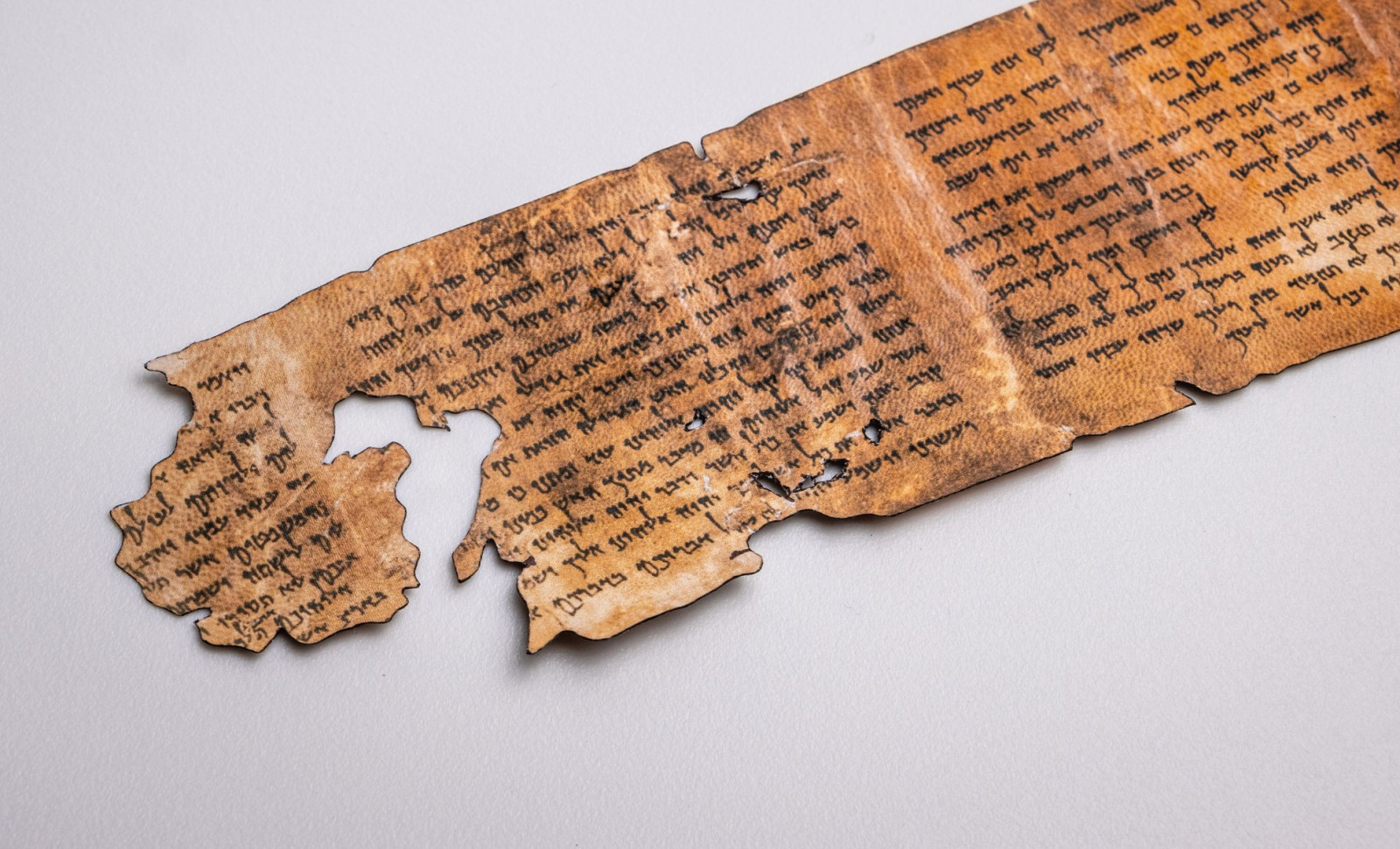
Researchers have uncovered a forgotten page from the renowned Archimedes Palimpsest tucked away in the archives of a French museum. Experts at CNRS made the remarkable find during a routine examination of documents stored at the Musée des Beaux-Arts in Blois, where the manuscript had been overlooked for years.
This particular page reveals concealed mathematical writings by Archimedes beneath later-overwritten religious texts. Scholars confirmed the match by cross-referencing the manuscript with early 20th-century photographs taken by the Danish historian Johan Heiberg, whose images have been invaluable since portions of the original palimpsest vanished during the last century.
The significance of this find lies in the Archimedes Palimpsest’s status as one of the few extant documents directly traceable to Archimedes, the ancient Greek mathematician and innovator. This manuscript has fascinated historians for decades because it preserves groundbreaking mathematical treatises that shaped future knowledge.

An Unexpected Discovery During Routine Research
The discovery originated from a casual remark. Victor Gysembergh, a CNRS researcher, playfully mentioned searching for palimpsests in Blois, a city historically linked to distinguished French libraries. Curious, he explored the museum’s online records and noticed an unusual entry.
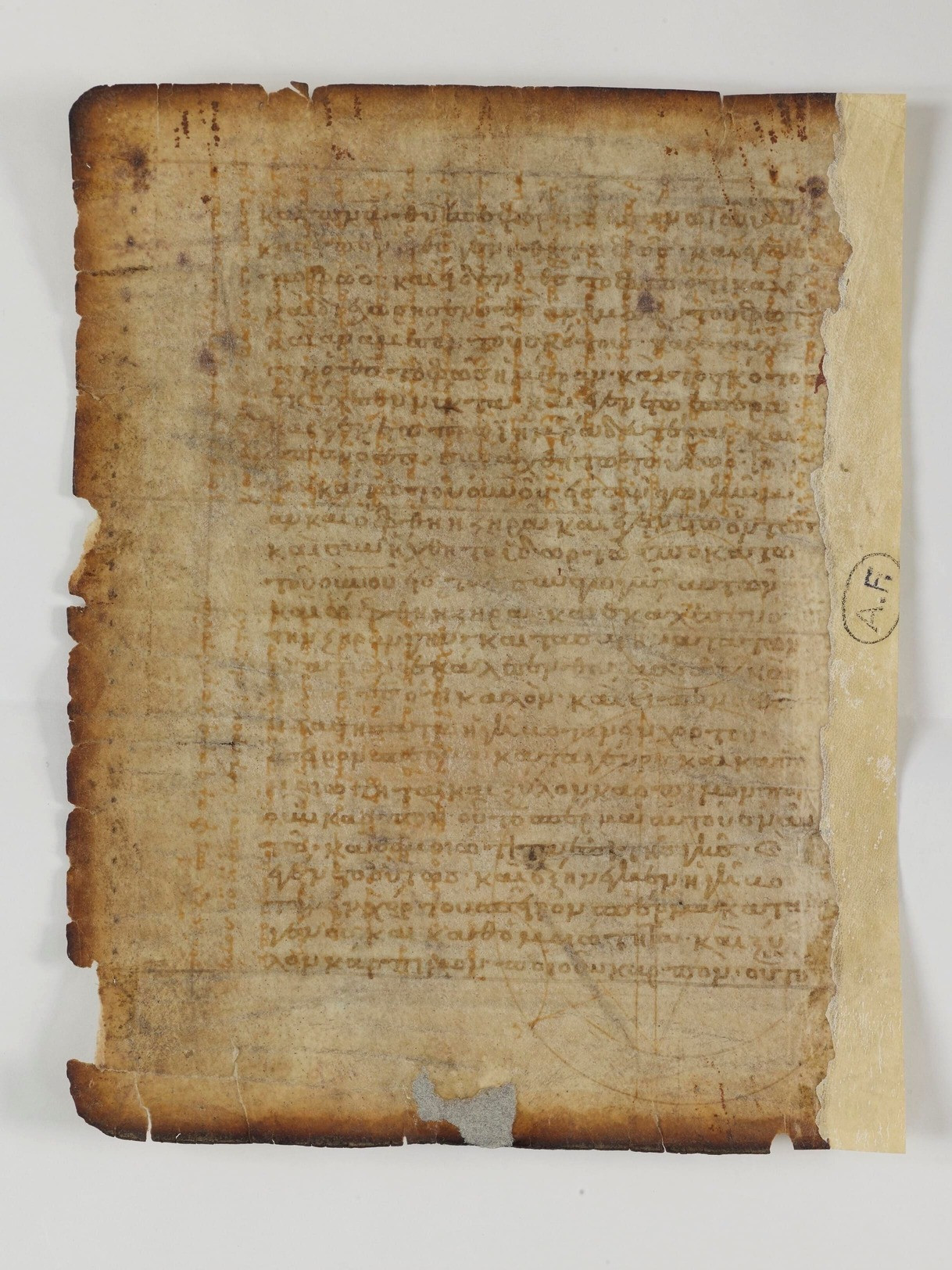
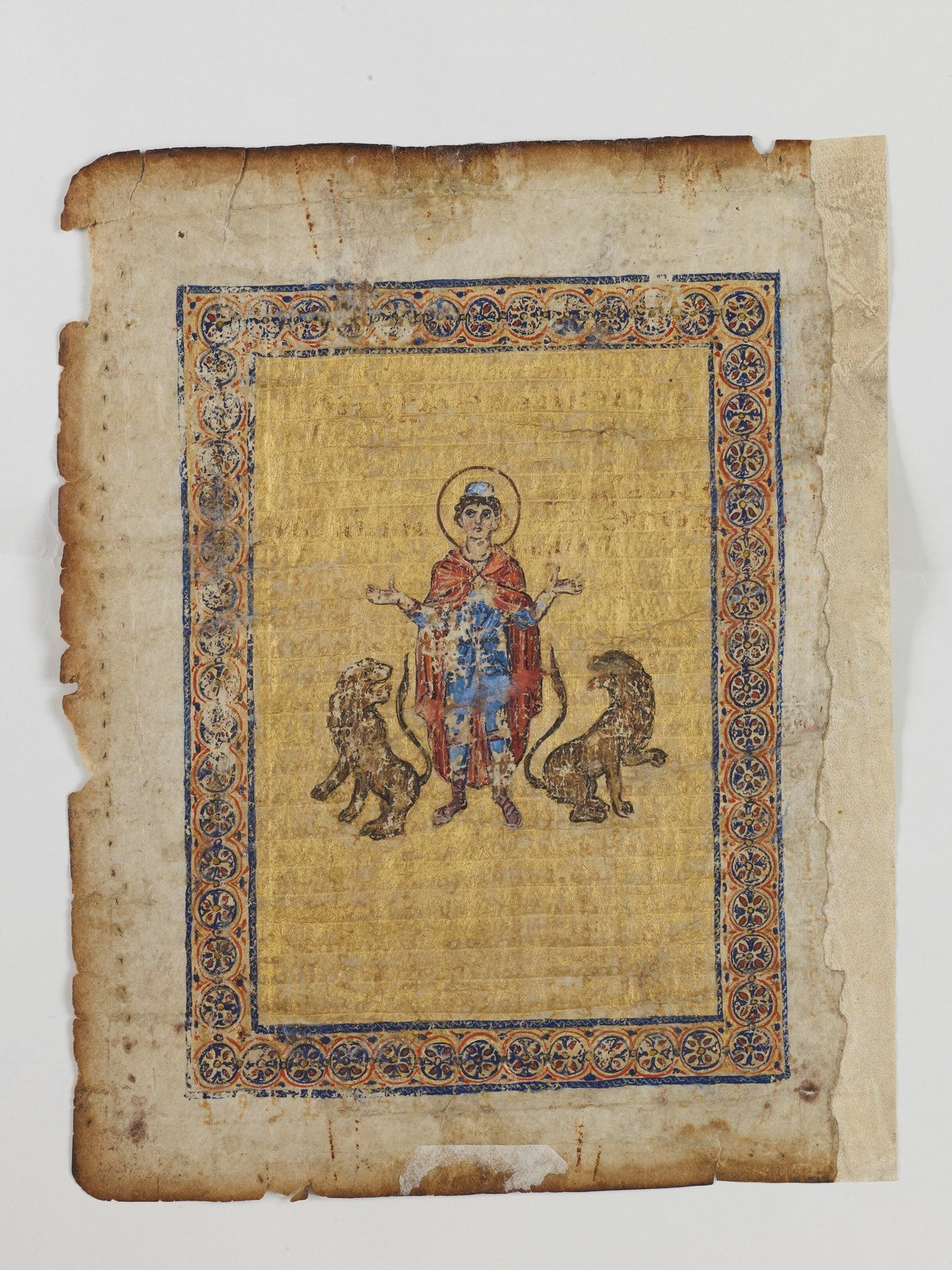
One side depicted the prophet Daniel accompanied by two lions, while the reverse was densely covered with Greek script. Per France 24, although the illustration appeared ancient, it was actually added in the 1940s to enhance the manuscript’s perceived value. The real revelation was the underlying Greek text.
According to a CNRS news release, beneath Byzantine prayers penned in 1229, Gysembergh identified geometric diagrams and mathematical reasoning related to Archimedes’s seminal work On the Sphere and Cylinder.
The passage discusses calculations involving the surface area of spheres. The manuscript had undergone transformation into a palimpsest centuries ago when a monk repurposed the parchment for religious texts, scraping off much but not all of the original writings.
A Remarkable Survival Through History
The journey of the Archimedes Palimpsest is a tale of endurance. It includes treatises by Archimedes, speeches from Hypereides, and Aristotle commentaries. As detailed by the Archimedes Palimpsest Project, these documents were transcribed onto parchment in Constantinople around the 5th century after the original papyrus versions were lost.
“The book [had] suffered greatly since the time when Heiberg saw it. Firstly, some pages are missing. The most important are three missing pages that once contained Archimedes text.”
After surviving the Crusades, the manuscript found refuge at the monastery of St Sabbas in Palestine. In 1229, a Greek priest dismantled it and reused the parchment for a prayer book.
“Archimedes wrote his treatises on papyrus rolls, the originals of which have been lost,” explained Mary Miller, who worked on documentation linked to the manuscript for the Exploratorium.
The palimpsest vanished amid the Greco-Turkish conflicts, only to reappear decades later at an auction in 1998.
Early Photographs Helped Confirm the Find
The authenticity of the rediscovered page was established using 1906 photographs taken by Johan Heiberg. These images became invaluable after some pages he captured vanished from the original manuscript.
As reported in France 24, Gysembergh noted the handwriting, illustrations, and even the errors made by the original scribe matched perfectly. This page was recognized as missing page 123 of the palimpsest.
“Until this discovery, we had no reason to hope we would ever find [the pages],” he said. “If institutions or private collectors have this kind of manuscript, they should think about whether it could be one of the other lost pages.”
The expanded manuscript was auctioned at Christie’s in 1998 for roughly $2 million to a private American collector. By then, scholars already knew some leaves shown in earlier photos were missing. Researchers now aim to apply multi-spectral imaging to the Blois page to uncover additional hidden mathematical content beneath the religious overlay.
- Categories:
- Science






0 comments
Sign in to Comment