
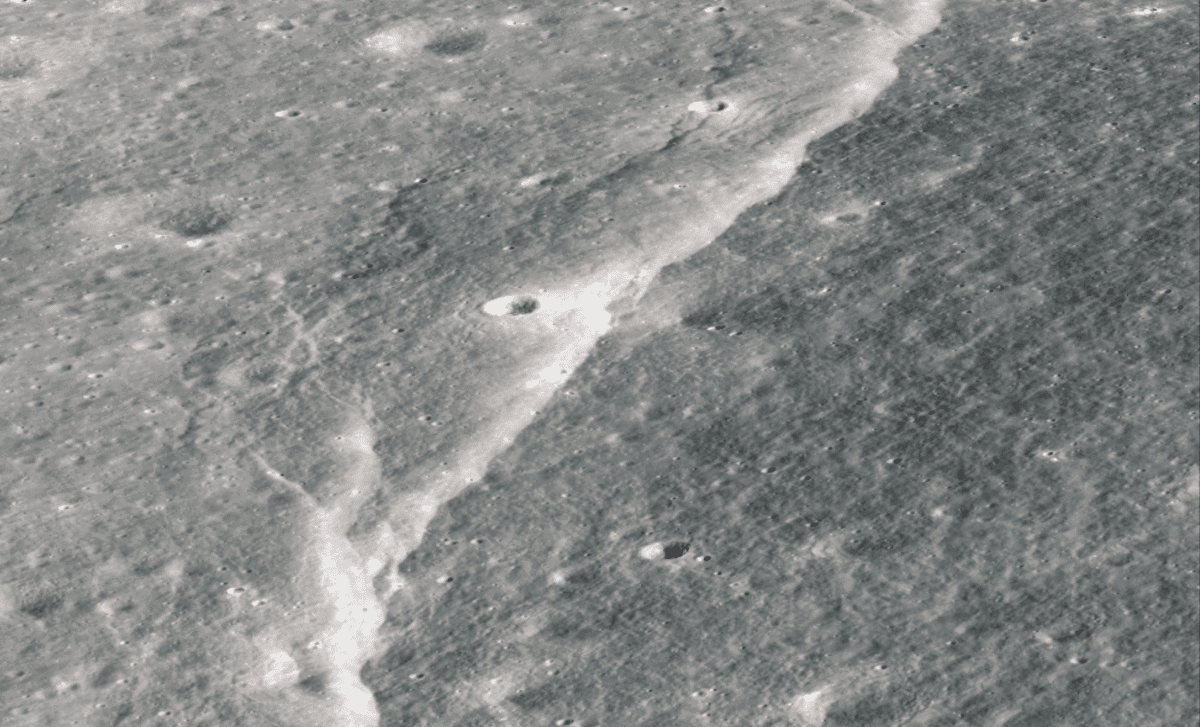
New investigations into the Moon’s internal seismic movements expose a hidden hazard: moonquakes. Although meteorite collisions have long been recognized as dominant forces in molding the lunar surface, recent evidence reveals that underground seismic shifts also contribute to significant changes in lunar landscapes. Shared in a recent study “Paleoseismic activity in the moon’s Taurus-Littrow valley inferred from boulder falls and landslides, this discovery has important consequences for NASA’s Artemis initiative and future activities on the Moon.
Reevaluating Lunar Surface Evolution: Moonquakes Versus Meteorite Strikes
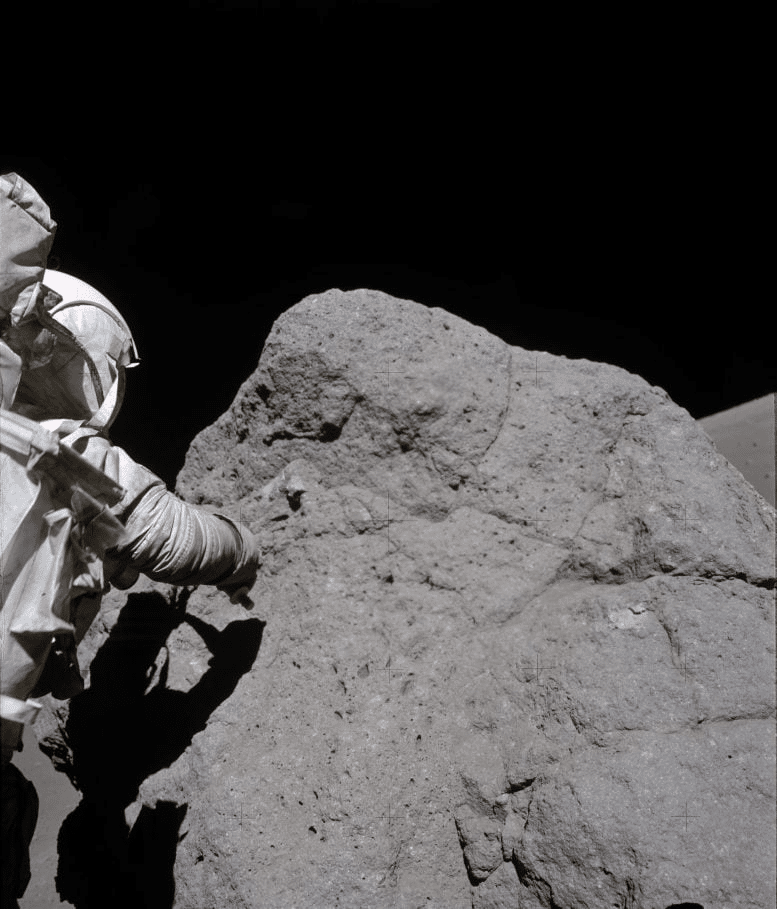
For years, meteorite strikes were believed to be the main agents sculpting the Moon’s landscape. However, recent findings challenge this view, showing that moonquakes have played a considerable role in modifying the terrain. An in-depth analysis of the Taurus-Littrow valley—a site visited during the Apollo 17 mission—illustrates how seismic events have altered the area over millions of years. While meteorite impacts contributed to some changes, it was predominantly moonquakes causing boulder collapses and landslides, underscoring the significance of lunar seismicity.
Research lead Nicholas Schmerr stated,

“We don’t have the sort of strong motion instruments that can measure seismic activity on the moon like we do on Earth, so we had to look for other ways to evaluate how much ground motion there may have been, like boulder falls and landslides that get mobilized by these seismic events.”
Active Lunar Faults: Unseen Hazards for Moon Settlements
An eye-opening discovery in the research is the presence of active faults, such as the Lee-Lincoln fault, which may threaten future lunar habitats. These geological features, active for millions of years, could still generate moonquakes today. This issue is particularly critical because many such faults lie close to prospective lunar landing zones and areas earmarked for exploration.
“The global distribution of young thrust faults like the Lee-Lincoln fault, their potential to be still active, and the potential to form new thrust faults from ongoing contraction should be considered when planning the location and assessing stability of permanent outposts on the moon,” said Smithsonian Senior Scientist Emeritus, Thomas R. Watters.
Consequently, assessing the hazards linked to these faults is vital when choosing sites for long-lasting lunar infrastructure such as habitats, laboratories, and essential facilities.
Quantifying Moonquake Threats: Small but Present Risks
Despite moonquakes’ destructive potential, the probability of a major seismic event remains low but not dismissible. Researchers estimate the odds of a damaging quake near an active fault to be roughly one in 20 million per day. Although this risk appears minimal, it becomes significant as mission duration extends.
“It doesn’t sound like much, but everything in life is a calculated risk,” Schmerr noted. “The risk of something catastrophic happening isn’t zero, and while it’s small, it’s not something you can completely ignore while planning long-term infrastructure on the lunar surface.”
Over a decade-long mission, the chance of encountering a harmful moonquake climbs to about one in 5,500. This increase highlights the importance of incorporating lunar seismic risk into mission strategies, especially for extended stays.
Moonquake Implications for Lunar Stations and Exploration Efforts
These insights extend far beyond scientific interest—they are crucial for the safety of upcoming lunar expeditions. As NASA’s Artemis program advances toward establishing a lasting human foothold on the Moon, understanding the moonquake risk is essential. Short-term Apollo landings faced minimal exposure, but permanent bases could be vulnerable to seismic disturbances.
“If astronauts are there for a day, they’d just have very bad luck if there was a damaging event,” Schmerr explained. “But if you have a habitat or crewed mission up on the moon for a whole decade, that’s 3,650 days times 1 in 20 million, or the risk of a hazardous moonquake becoming about 1 in 5,500. It’s similar to going from the extremely low odds of winning a lottery to much higher odds of being dealt a four of a kind poker hand.”
This shift underscores the necessity of thorough planning to guarantee the durability and safety of lunar facilities over time.
Prioritizing Safety: Steering Clear of Active Fault Locations
In light of the seismic hazards highlighted by this research, experts like Schmerr and Watters stress the value of deliberate site selection for lunar exploration. To minimize moonquake risks, it is advised to avoid establishing permanent settlements on or near active faults, including the Lee-Lincoln fault.
“We want to make sure that our exploration of the moon is done safely and that investments are made in a way that’s carefully thought out,” Schmerr said. “The conclusion we came to is: don’t build right on top of a scarp, or recently active fault. The farther away from a scarp, the lesser the hazard.”
Taking such precautions can reduce the likelihood of seismic damage, enhancing the protection and stability of future lunar installations.
- Categories:
- News





0 comments
Sign in to Comment