
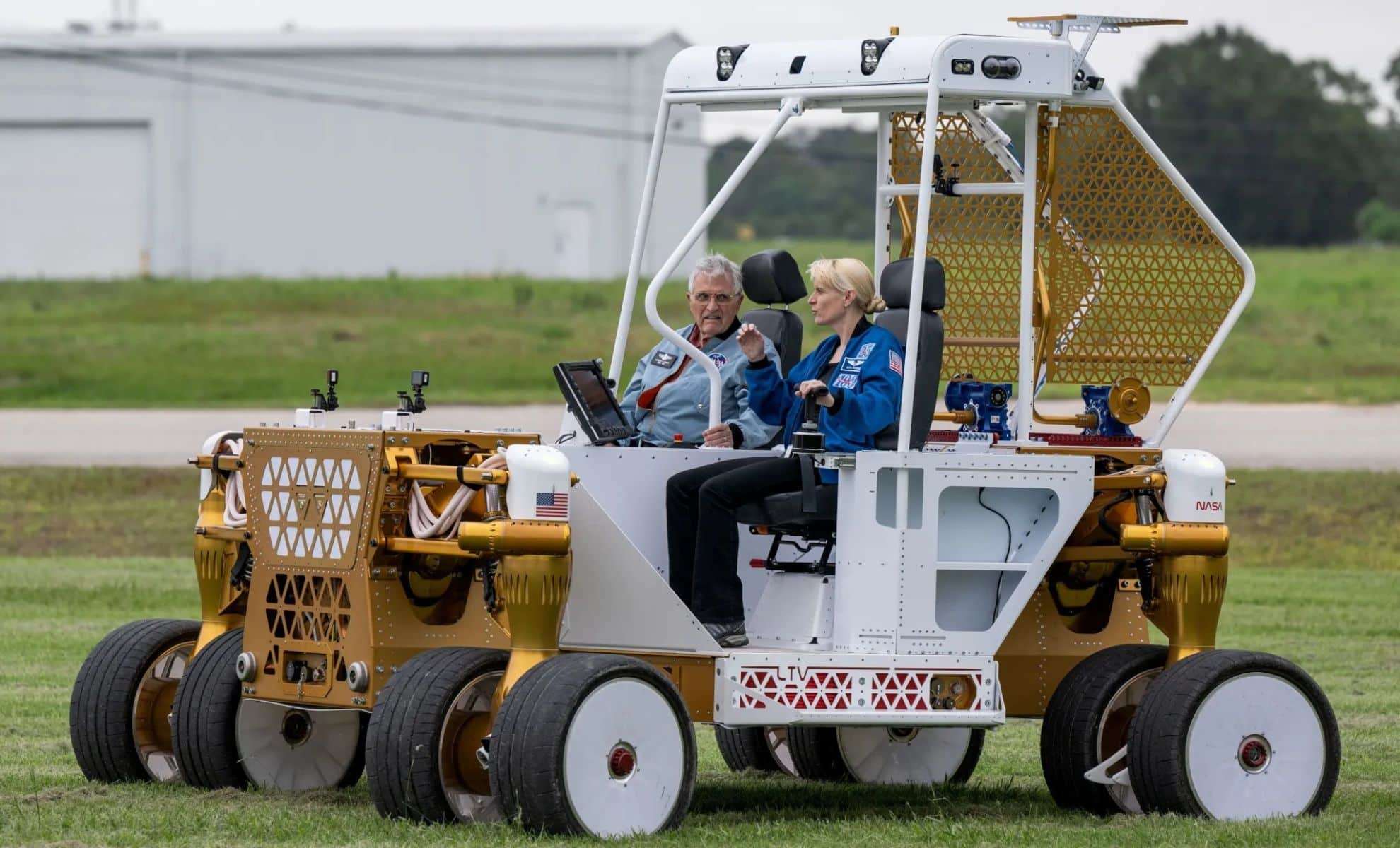
NASA is making significant strides toward the Artemis program by developing a specialized vehicle called the Lunar Terrain Vehicle (LTV) to support astronauts during lunar expeditions. The current phase involves rigorous evaluations of the Ground Test Unit (GTU) prototype at NASA’s Johnson Space Center. This prototype serves as a crucial step toward finalizing the LTV design, which is slated for deployment on the Moon starting with Artemis V in 2030.
The Lunar Terrain Vehicle: Enhancing Moon Exploration
Designed as a human-rated, unpressurized rover, the Lunar Terrain Vehicle (LTV) will be fundamental in expanding astronauts' operational range on the lunar surface. It accommodates two astronauts wearing full-space suits and can support autonomous operations, which permits surface tasks to be controlled remotely when astronauts are off-site. This dual functionality increases mission adaptability and ensures persistent scientific activities in between crewed excursions.
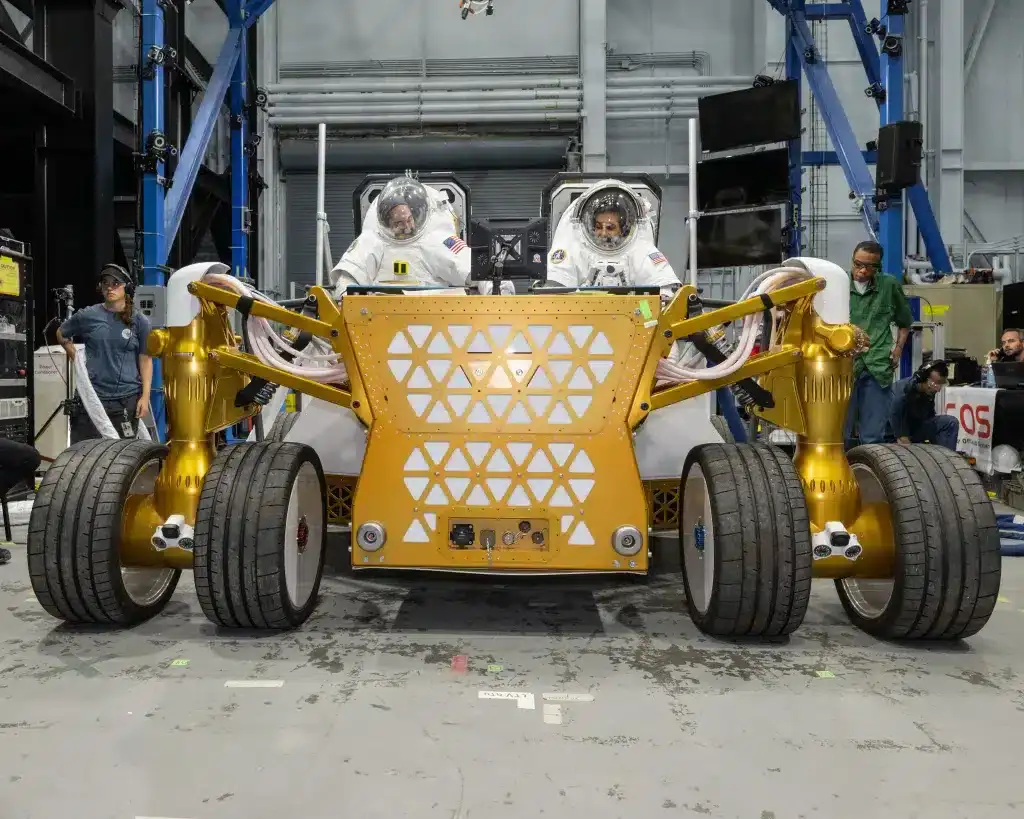
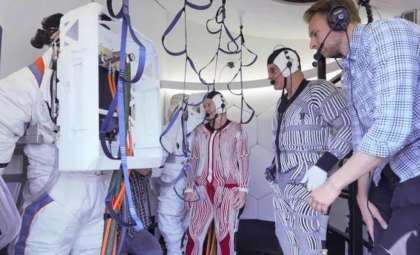
NASA's Ground Test Unit (GTU), although not intended for actual Moon missions, acts as a vital platform for validating and refining the LTV’s capabilities. Featuring eight wheels to navigate rugged terrain with stability, the GTU enables comprehensive testing of driving mechanics and payload handling. Jeff Somers, the GTU engineering lead, states, “The Ground Test Unit will help NASA teams on the ground, test and understand all aspects of rover operations on the lunar surface ahead of Artemis missions.” Earth-based trials are essential for mitigating risks and confirming the rover’s performance under harsh lunar-like conditions before final deployment.

Innovative Designs From Private Sector Partners
In April 2024, NASA enlisted three commercial firms—Intuitive Machines, Lunar Outpost, and Venturi Astrolab—to create competing designs for the Artemis LTV. This partnership highlights NASA's strategy to harness private innovation in advancing space exploration technologies. Each contender employs distinctive approaches to fulfill NASA’s rigorous criteria, utilizing the GTU for testing and development of their concepts.
Lunar Outpost’sLunar Dawn LTV, is designed with adaptability in mind. Its configurable cargo bed adjusts to varying mission demands, and it integrates a robotic arm for precise cargo handling—critical for lengthy missions requiring careful maneuvering of equipment and samples. The rover is powered by General Motors' Ultium battery system, reflecting the synergy between terrestrial electric vehicle tech and space applications. Collaborative partners include industrial giants like Lockheed Martin, Goodyear Tire and Rubber Company, and MDA Space, contributing to a rugged and reliable design suited for the Moon.
Intuitive Machines offers the Moon Reusable Autonomous Crewed Exploration Rover (RACER), a design inspired by racing cars. Built for high speed and operational efficiency, it can carry two astronauts plus 500 kg (about 1,100 pounds) of cargo. Collaborators such as Boeing, Michelin, and Northrop Grumman support ensuring that RACER delivers swift mobility across challenging lunar landscapes.
Venturi Astrolab proposes the Flexible Logistics and Exploration (FLEX) rover, distinguished by its innovative flexible wheels and extensive real-use testing. FLEX stands out for logging thousands of operational hours, emphasizing versatility and readiness for extreme lunar environments. This deep testing background strengthens confidence in FLEX’s ability to perform critical scientific and logistics duties under Moon conditions.
Validating the Future of Moon Transportation
Testing the GTU is a cornerstone for anticipating and resolving challenges before finalizing the LTV. Through these Earth trials, NASA engineers can compare technologies and operational methods, minimizing risks associated with lunar deployment. Somers emphasized, “The GTU allows NASA to be a smart buyer, so we are able to test and evaluate rover operations while we work with the LTVS contractors and their hardware.” This collaborative process between NASA and industry partners promotes iterative enhancements that will contribute to Artemis’ overall success.
The LTV’s built-in autonomous capabilities will enable remote control from Earth or from a lunar orbit station. This feature is vital for sustaining scientific activities during periods when astronauts are off the surface, maximizing mission productivity. Remote operations add efficiency, expanding the opportunities for discovery between crewmember visits.
Surface mobility is central to NASA’s Artemis objectives. The LTV will vastly enlarge the exploration range, allowing astronauts to investigate diverse lunar terrains and gather richer geological data. Mastering rover operations on the Moon also prepares NASA for future missions to Mars, where surface travel will be equally essential.
Looking Ahead to Lunar Exploration
NASA’s progress in developing and testing the Lunar Terrain Vehicle marks a pivotal advance in the Artemis program. The LTV will be indispensable for crewed Moon missions beginning with Artemis V, facilitating broader exploration and enhancing scientific output. Collaborations with Intuitive Machines, Lunar Outpost, and Venturi Astrolab ensure a variety of innovative, practical rover designs to meet the demands of lunar exploration and set the stage for humanity’s future voyages to Mars and beyond.







0 comments
Sign in to Comment