
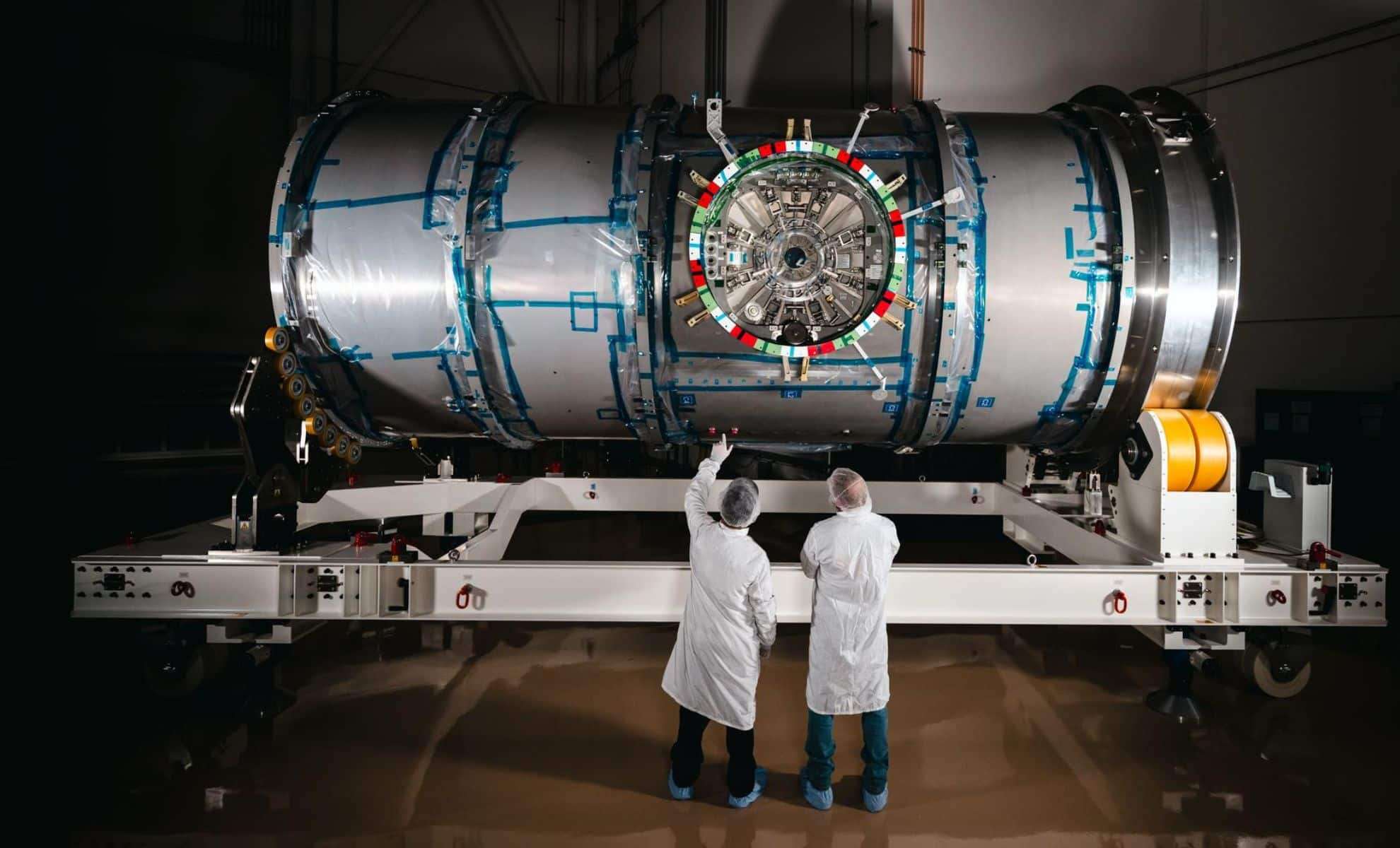
NASA is advancing rapidly with the Gateway initiative, as the HALO (Habitation and Logistics Outpost) module enters its final preparation and testing phase. Designed to support astronauts during Artemis missions, HALO recently arrived at Northrop Grumman’s facility in Gilbert, Arizona, to undergo crucial finishing touches. A recent NASA update explains that the module will deliver vital capabilities such as life support, command functions, and data management, integral to NASA’s lunar exploration strategy.
Following its arrival on April 1, 2025, after assembly by Thales Alenia Space in Italy, HALO’s progress was celebrated on April 24 with a key event underscoring its role in establishing a sustained human presence on the Moon. NASA astronaut Randy Bresnik alongside Gateway program leaders, including Lori Glaze and Jon Olansen, emphasized HALO’s critical contribution to the Artemis project.
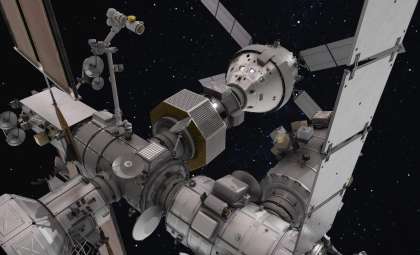
As a core element of Artemis, the HALO module is engineered to enable astronauts to reside and conduct scientific work in orbit. This capacity is essential for prolonged human missions beyond Earth, supporting scientific discovery and fostering international and commercial partnerships within NASA’s broader Gateway vision.

Final Assembly and Testing at Northrop Grumman
At the Gilbert facility, teams of engineers and technicians are busy completing HALO’s outfitting. This includes installing propellant transfer systems, power and data wiring, thermal radiators, and integrating life support and onboard flight computers. These systems are critical to ensure HALO can endure and operate effectively in the demanding environment of deep space.
Another key component is the Lunar Link communication system, developed by the European Space Agency (ESA), which will enable uninterrupted data exchange between crewed vehicles, lunar modules, and Earth mission control. After installation of these systems, HALO will undergo rigorous thermal vacuum, vibration, and shock testing to verify its readiness for space conditions.
Power and Propulsion Element Development
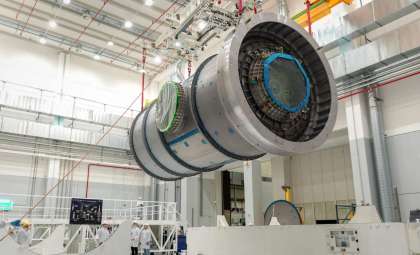
Alongside HALO’s final preparations, assembly continues on the Power and Propulsion Element (PPE) at Maxar Space Systems in Palo Alto, California. The PPE propulsion system uses solar electric power to ionize xenon gas, producing thrust through ion acceleration.
This innovative propulsion will allow Gateway to maneuver between different orbits around the Moon, maintaining a secure and stable operational platform for lunar exploration. To support this, twelve-kilowatt thrusters have been delivered to NASA’s Glenn Research Center in Cleveland for testing before integration into the PPE later this year.
The Future Path for Artemis and Lunar Missions
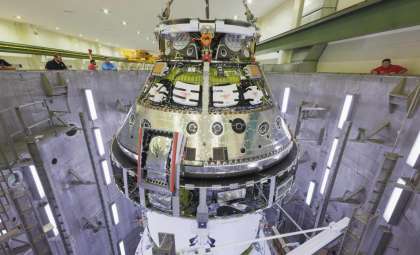
The HALO and PPE modules mark early milestones in NASA’s expansive lunar ambitions through Artemis. Together, these systems will facilitate historic objectives, including landing the first woman and person of color on the Moon by 2025 and establishing sustainable lunar habitation by the 2030s. As part of the Gateway, this infrastructure will not only support Artemis but also serve as a launchpad for future crewed missions to Mars and beyond.
International cooperation and partnerships with commercial space companies are vital to the Gateway’s success, highlighting a collective global effort to explore and utilize deep space. As the HALO module nears the completion of its outfitting, it represents a symbol of innovation and humanity’s commitment to the next era of space exploration.
- Categories:
- News








0 comments
Sign in to Comment