
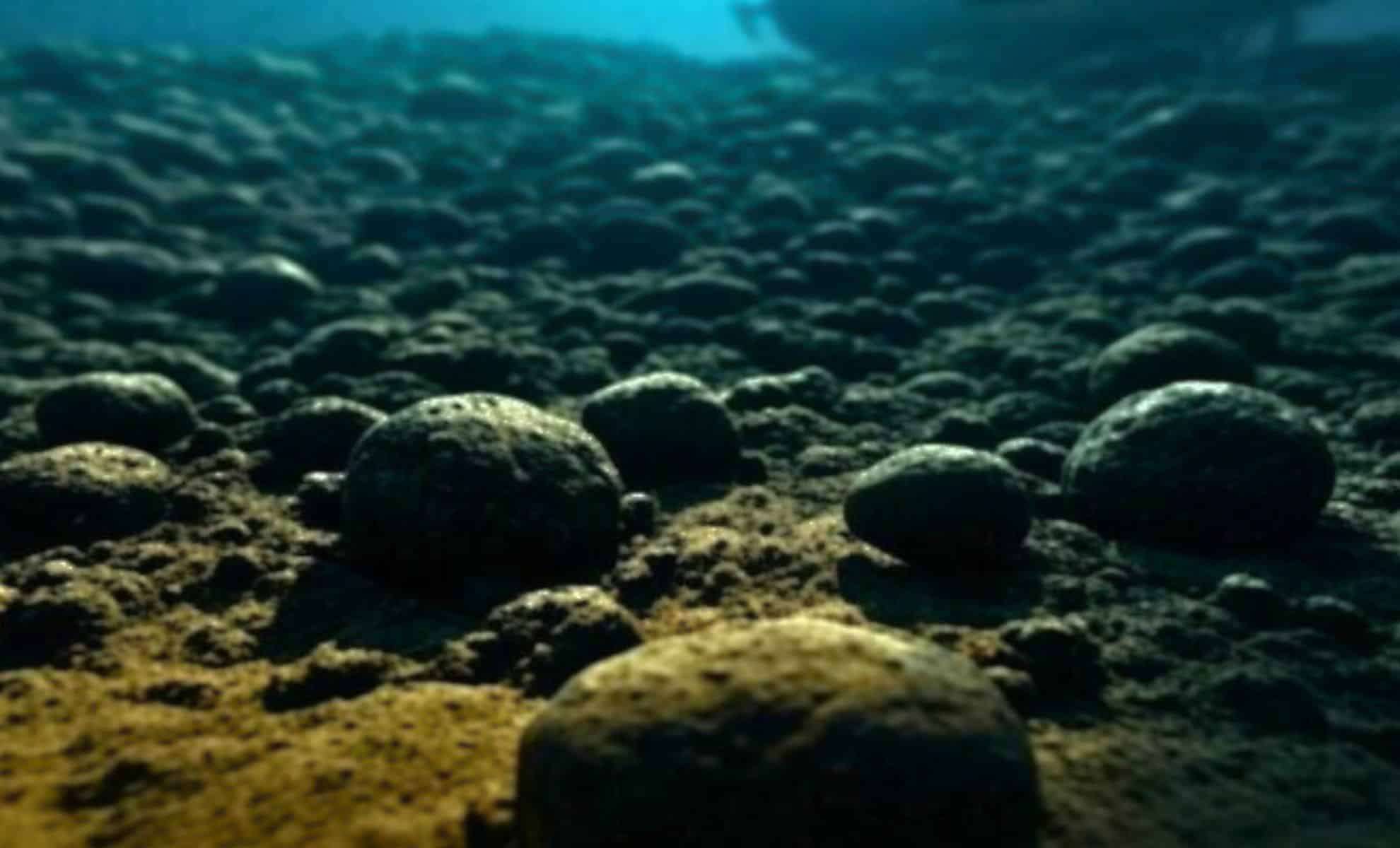
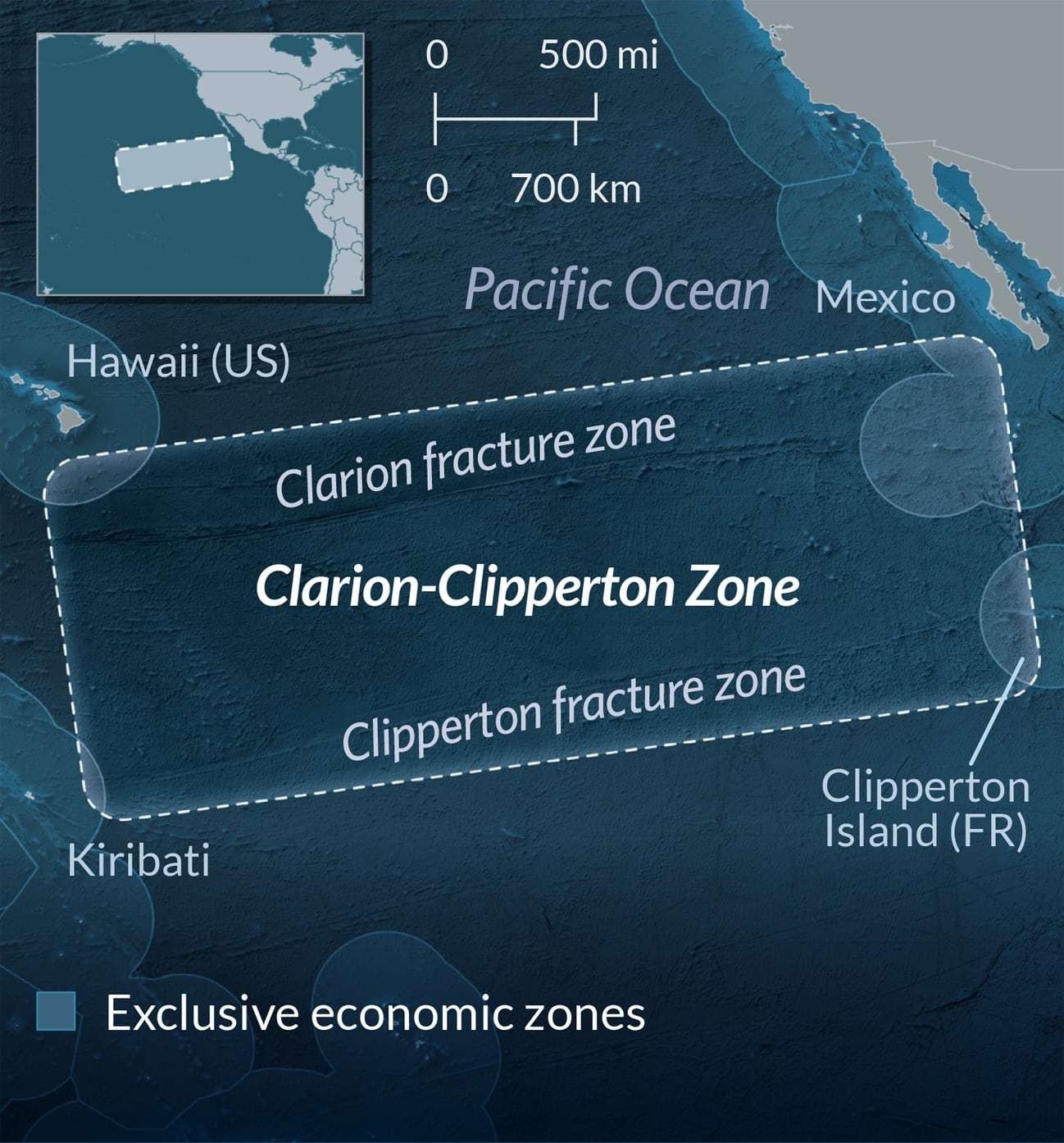
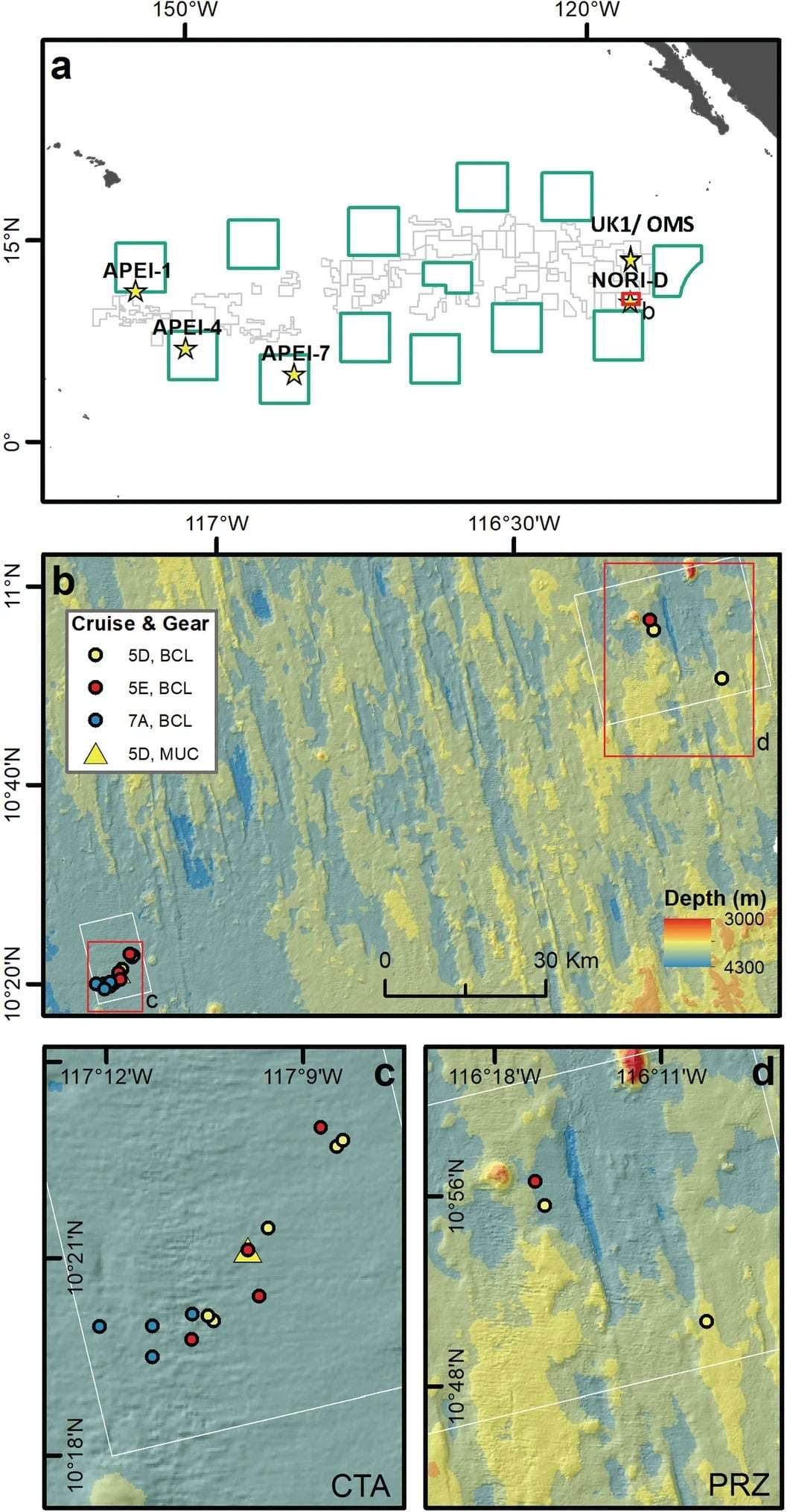
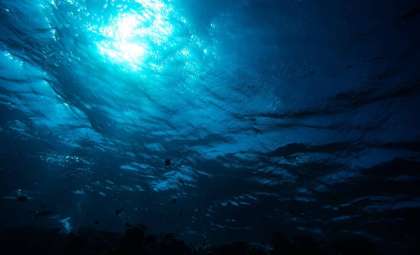
In the depths of the Pacific Ocean, where sunlight never reaches, researchers have uncovered an unexpected source of oxygen formed in absolute darkness. This phenomenon, known as “dark oxygen,” was identified in the Clarion-Clipperton Zone (CCZ), a vast seafloor area rich in minerals, revealing that oxygen can be produced without sunlight.
Unearthing Oxygen from Mineral-Rich Nodules
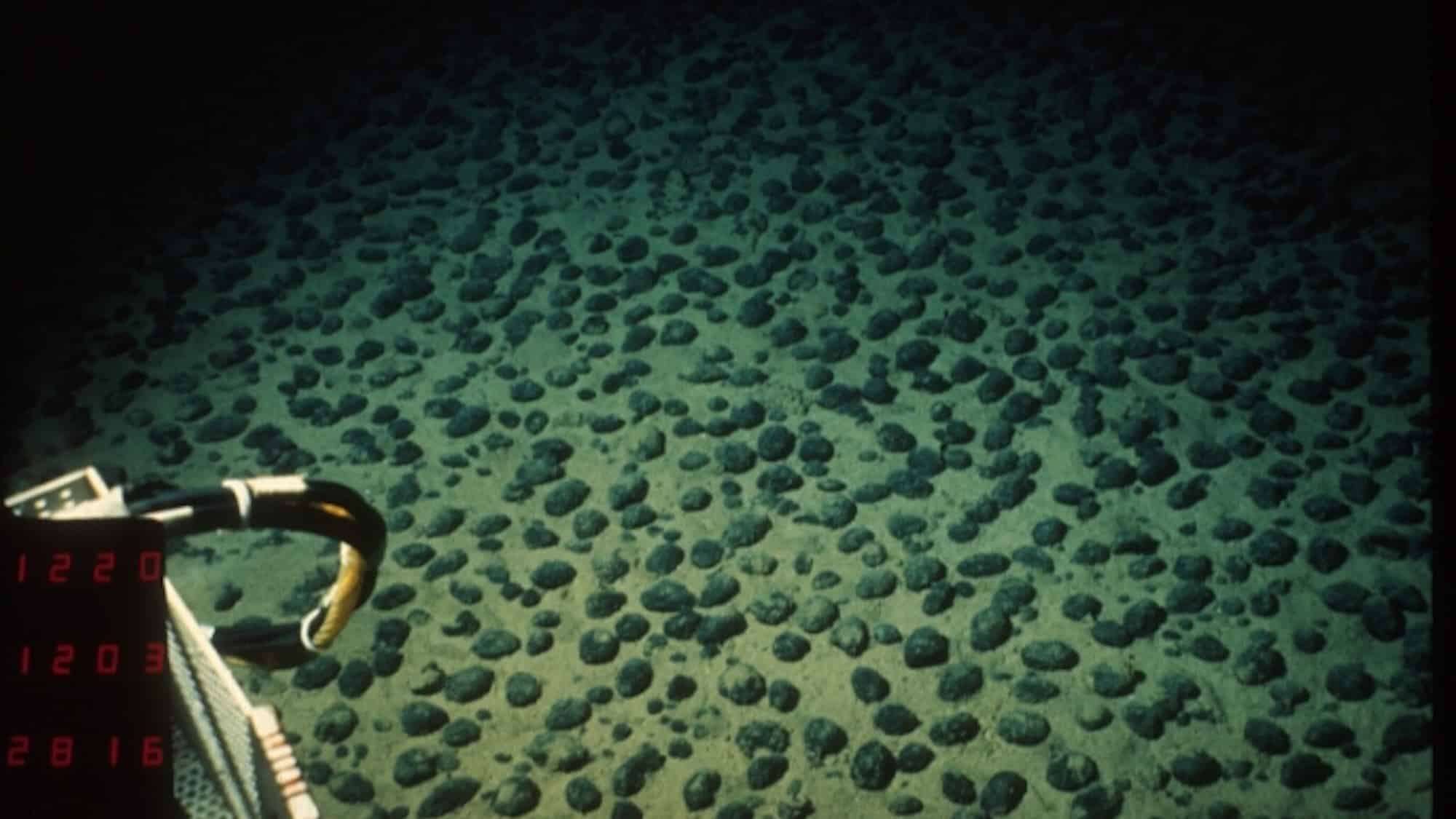
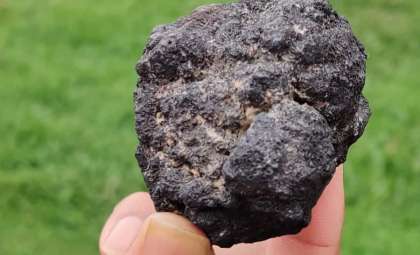
Spanning approximately 4.5 million square kilometers between Hawaii and Mexico, the CCZ is renowned for its deposits of polymetallic nodules—rocky formations packed with valuable metals such as nickel, manganese, cobalt, zinc, and copper. These materials are crucial for the global transition to sustainable energy, especially in battery production, earning them the nickname “batteries in rocks.”
However, recent findings from a study published in Nature Geoscience demonstrate that these nodules do more than store minerals. At a depth of 4,000 meters, they actively produce oxygen in total darkness, challenging long-held ideas about how oxygen is created on our planet.

Oxygen Generation Without Sunlight: Rethinking Ocean Chemistry
Deep-sea ecologist Andrew Sweetman of the Scottish Association for Marine Science spearheaded the discovery. His interest dates back over ten years when sensors unexpectedly reported elevated oxygen levels in the CCZ in 2013 — a finding initially dismissed as an instrument error. Continued investigation confirmed the oxygen presence was genuine and confined to that environment.
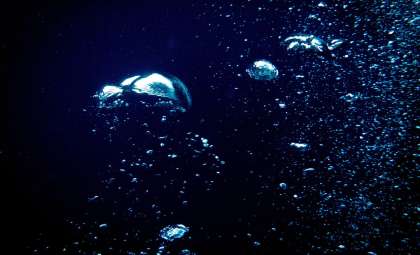
Suspecting the unique electrochemical characteristics of the nodules, inspired by their “battery in a rock” moniker, Sweetman hypothesized these formations could act as natural geobatteries. They might generate small electric currents that split seawater molecules, producing both hydrogen and oxygen.
While previous research in 2023 indicated that microbes like bacteria and archaea might generate dark oxygen, Sweetman’s team eliminated this possibility by recreating CCZ conditions in the lab and neutralizing microbial life using mercury chloride. Oxygen production persisted despite the absence of life forms.
Measurements revealed the nodules’ surfaces maintain a charge near 0.95 volts, sufficient to drive the electrolysis of seawater and enable oxygen release.
Reevaluating Earth’s Life Origins and Possibilities Beyond
This groundbreaking process implies that oxygen-dependent life forms could have existed before the evolution of photosynthesis. Sweetman explained, “Oxygen presence was traditionally linked to photosynthetic organisms, but now we see oxygen produced deep in the ocean without sunlight.”
This insight broadens the search for life, suggesting oxygen generation could occur on other ocean worlds within the solar system, such as the icy moons Enceladus and Europa. If similar geobattery activity exists beneath their surfaces, it could support ecosystems thriving in complete darkness far from the sun.
The Intersection of Science and Deep-Sea Mining
These revelations come amid a surge of interest in mining the CCZ’s polymetallic nodules for their battery metals. The Metals Company, whose CEO popularized the “battery in a rock” phrase, is actively pursuing commercial extraction projects.
Meanwhile, over 25 nations are advocating through the International Seabed Authority (ISA) for a moratorium on mining activities until ecological functions of these nodules are fully understood. They warn that premature exploitation could cause lasting environmental damage.
Lisa Levin from the Scripps Institution of Oceanography stressed the ecological stakes, telling the Deep Sea Conservation Coalition: “Newly discovered processes, like oxygen generation by polymetallic nodules, reveal complex ecosystem roles that must be considered when planning deep-sea mining.”
Given the mounting threats to marine environments from acidification, oxygen loss, and pollution, scientists caution that disturbing these delicate systems may yield serious, unforeseen outcomes.
- Categories:
- Science








0 comments
Sign in to Comment