
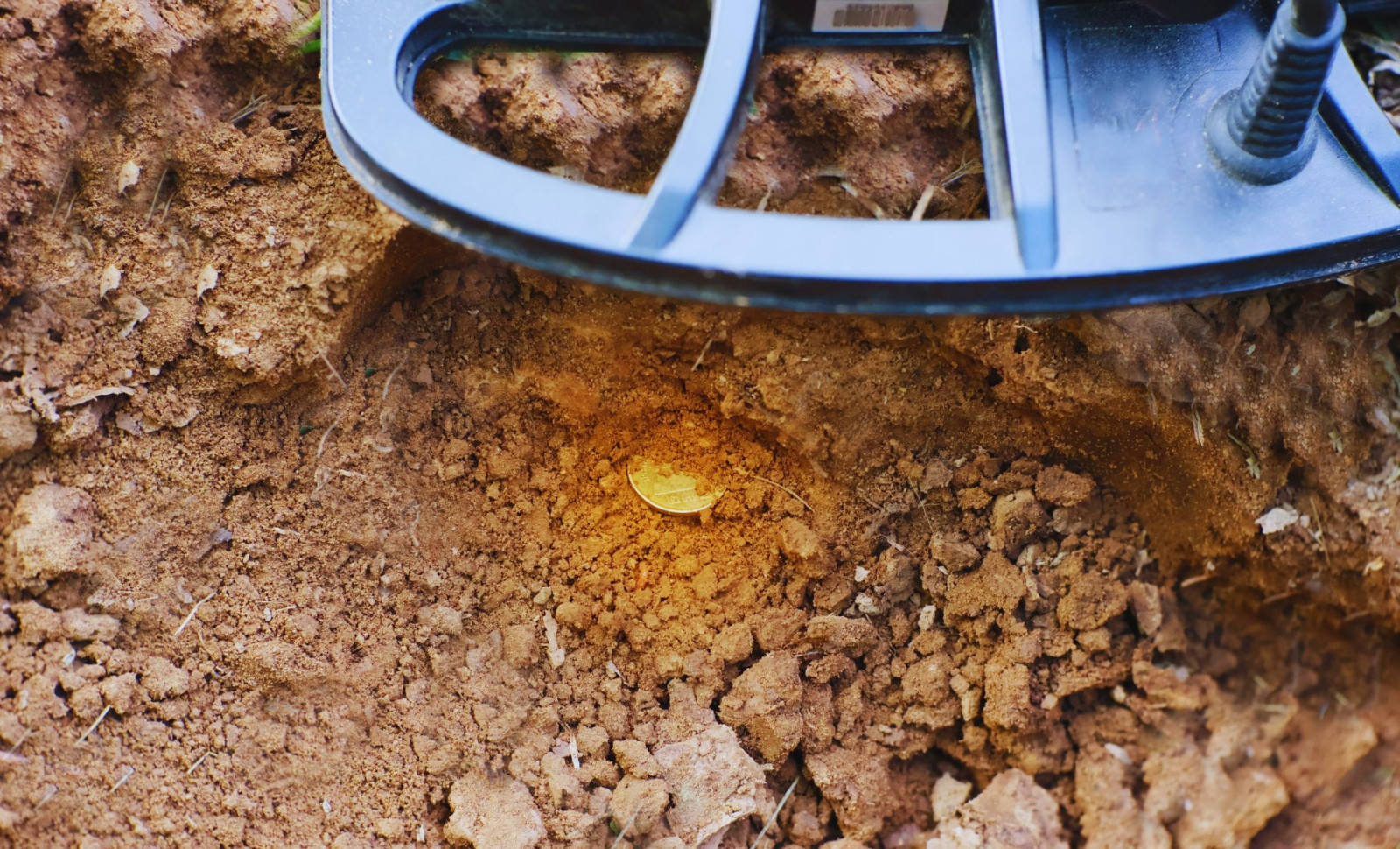
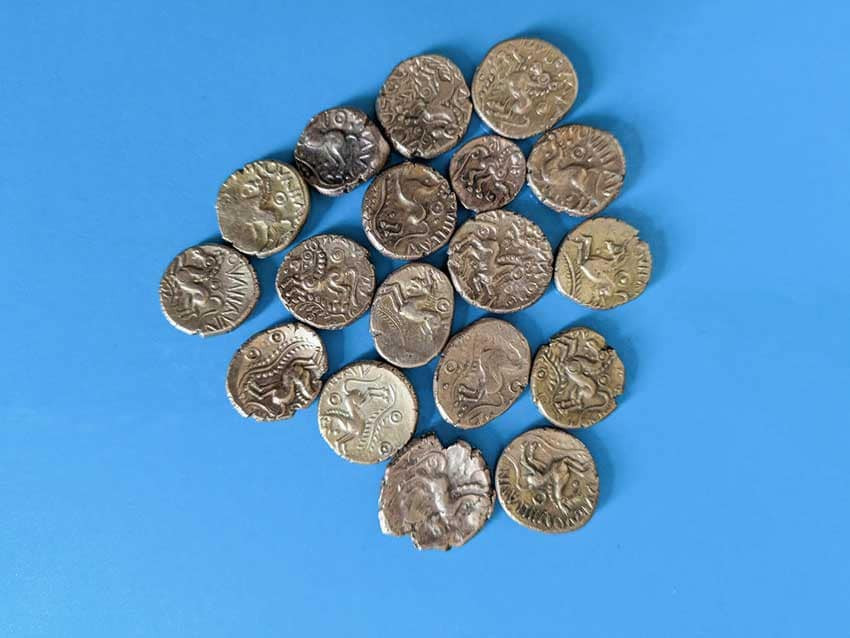
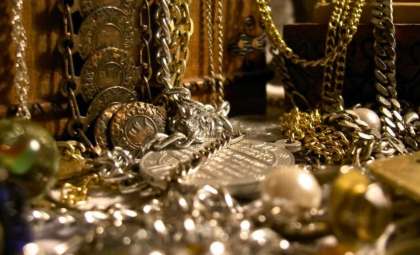
Tom Licence, a professor at the University of East Anglia, has uncovered a remarkable trove: the most extensive known collection of Iron Age gold coins, found in a Suffolk field near Bury St Edmunds. The 18 gold coins are set to be auctioned in London next month, with an estimated worth of £25,000.
The coins are believed to have been minted during the leadership of King Dubnovellaunos of the Trinovantes tribe, contributing a significant piece to the archaeological heritage of the area. The auction on March 4th at Noonans will be yet another important event in the history of British archaeology.
A Lifelong Enthusiasm for Metal Detecting
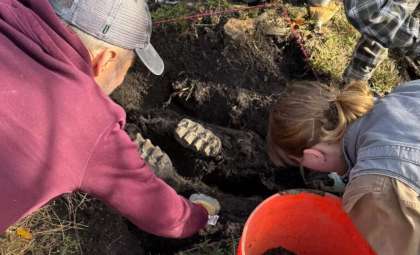
Professor Tom Licence has nurtured a passion for metal detecting since childhood, and the find near Bury St Edmunds stands out among his most extraordinary discoveries. As reported by The Sun, the search began because his niece wanted to explore metal detecting.

“I noticed the field rose gently from a nearby stream and the soil was in perfect condition on a dry October day, so I decided to try my detector.” he recalled. “It was when I was there that I noticed that the field rose from a nearby stream in a gentle gradient and had dark silty soil, which was in a perfect condition on a dry October day, so I decided to use my trusty metal detector“.
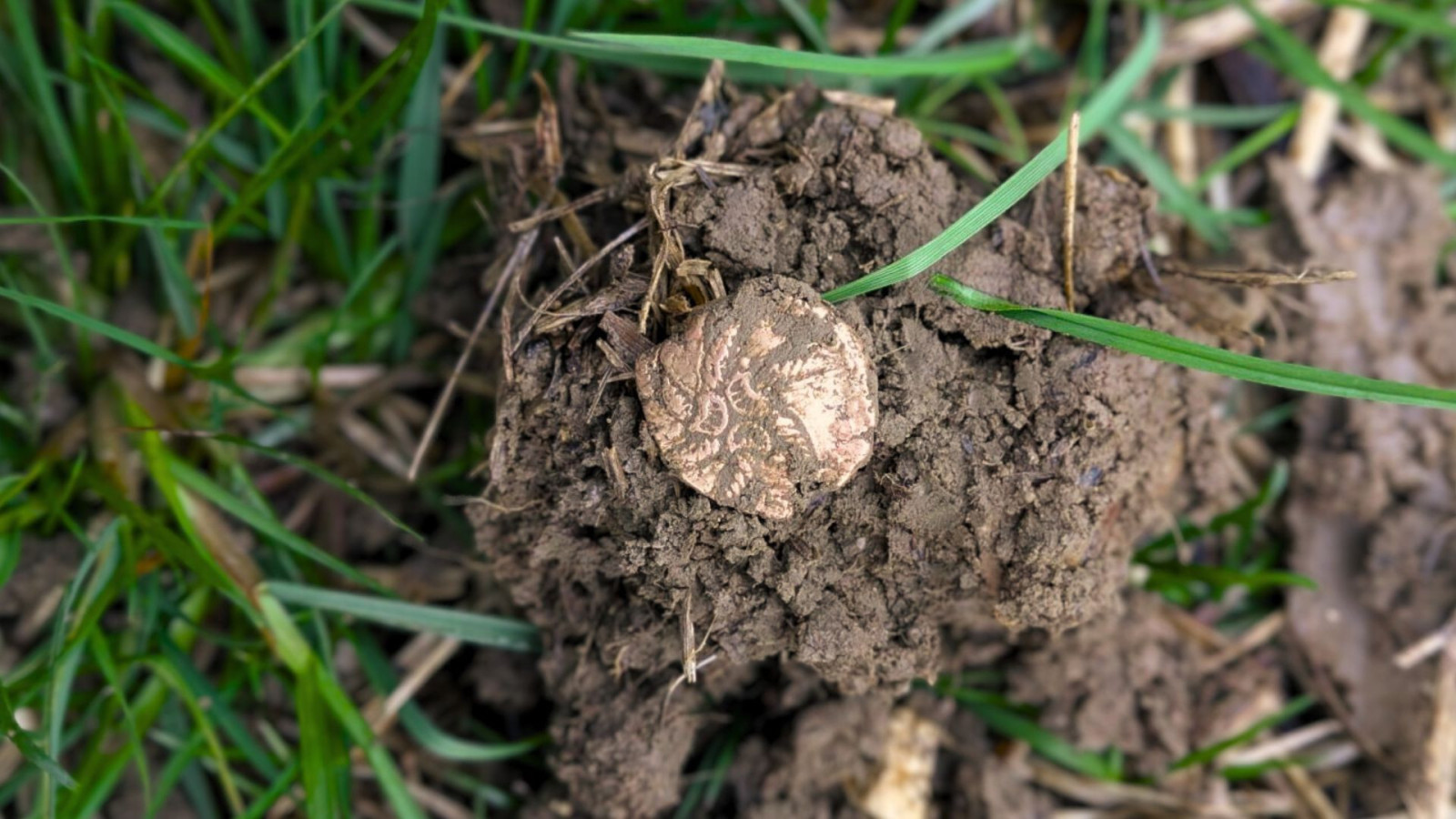
Initial signals revealed Viking hack silver, but once Licence discovered his first gold coin, he realized this was a major find. Within that day, he had located six coins, and a subsequent visit months later brought the count to 18.
King Dubnovellaunos: A Leader of His Time
These coins are tied to King Dubnovellaunos, who governed the Trinovantes—who inhabited Suffolk, Essex, and Hertfordshire—from 25 BC to AD 10. This era marked significant shifts in Britain, with the expanding influence of Rome. According to Professor Licence, the hoard provides valuable insight into the economic and trading activities of the period.
“I was born in Essex but my family has roots in the Bury St Edmunds area, and I like to imagine that the coins were buried by one of my ancestors,” he said.
South East England’s Archaeological Landscape Transformed
The Bury St Edmunds Hoard is set to be auctioned in London on March 4, with a predicted value of £25,000. Proceeds from the sale will fund further archaeological initiatives in Suffolk, supporting ongoing efforts to explore and protect the area’s archaeological heritage. Professor Licence will keep one coin as a personal keepsake, and the landowner will also retain one.
“I was born in Essex but my family has roots in the Bury St Edmunds area, and I like to imagine that the coins were buried by one of my ancestors,” he said.
The earnings from this auction will help enhance archaeological research across East Anglia, reinforcing the region’s status as a treasure trove of historical discoveries.
- Categories:
- News





0 comments
Sign in to Comment