
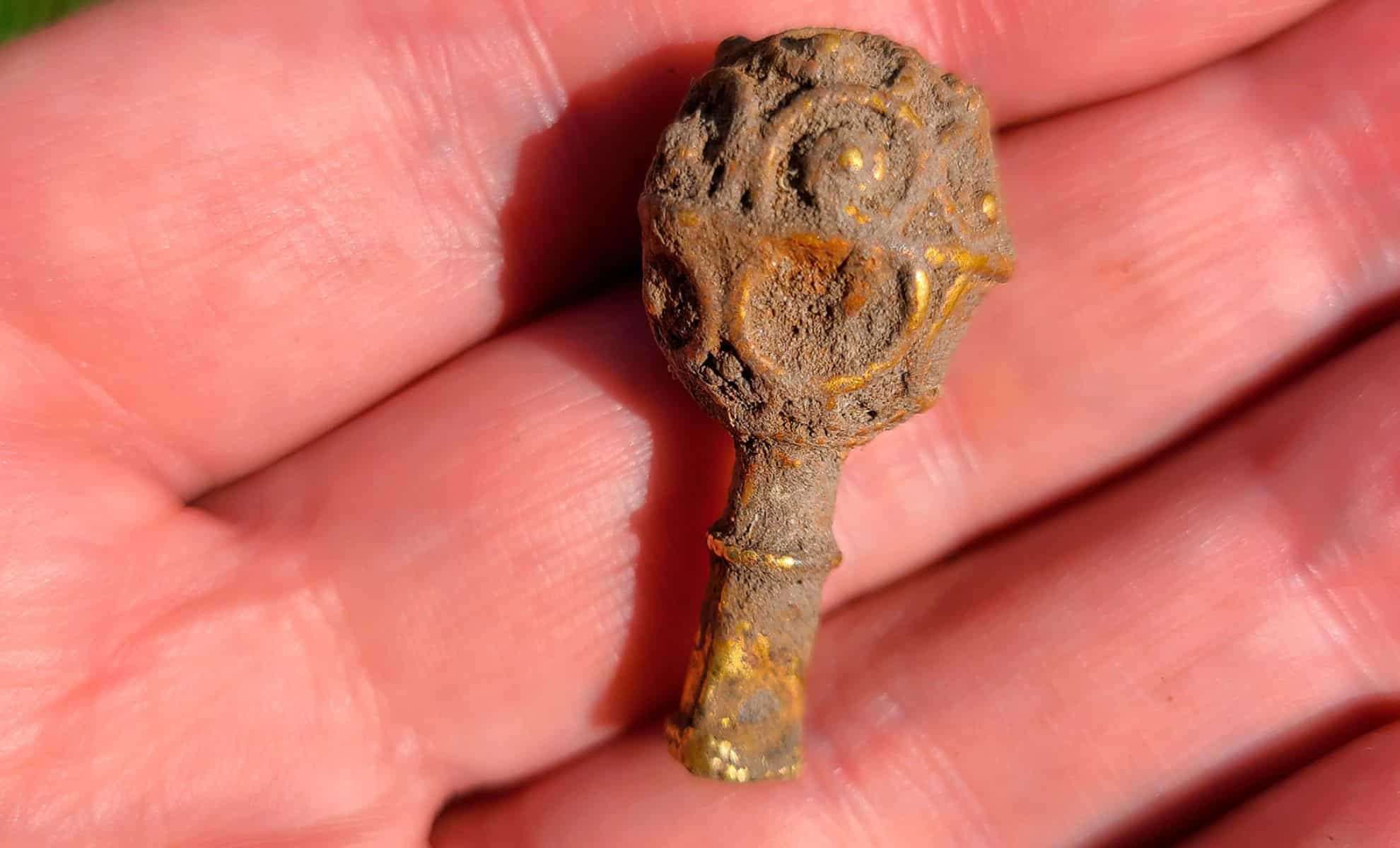
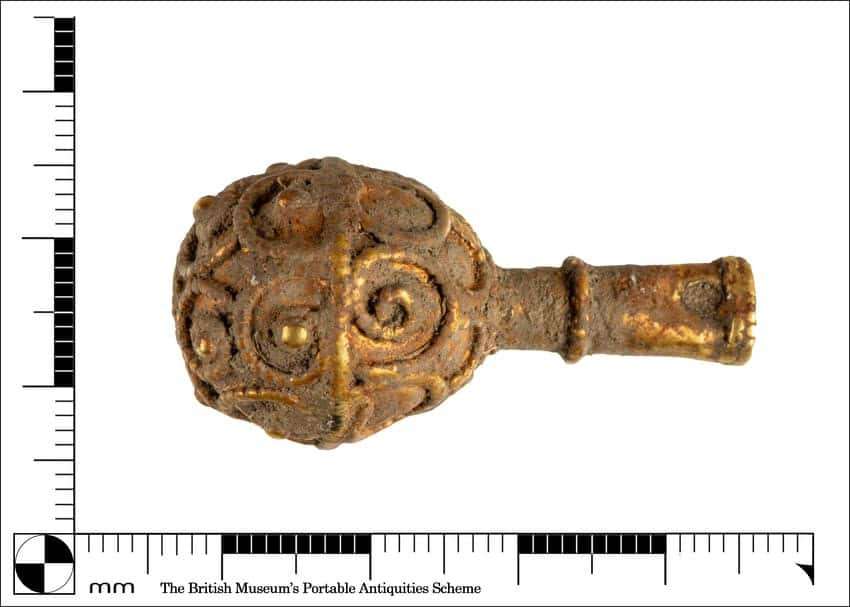
An archaeology undergraduate made a remarkable discovery in the rural areas of Northumberland. While working near Redesdale, Yara Souza from the University of Newcastle found a precious gold artifact from approximately 1,200 years ago after only 90 minutes of excavation. According to the University’s official announcement, the 4-centimeter piece features intricate engravings and a floral design on one end.
Transformative Experience on First Archaeological Dig
Originally hailing from Orlando, Florida, Souza was engaged in her inaugural excavation as part of her archaeology degree program. The site is situated close to Dere Street, an ancient Roman road that linked York and Edinburgh, continuing to serve as a vital route through medieval times.
Within under two hours, she uncovered a well-preserved gold relic that had remained hidden for over a millennium. Reflecting on the discovery, she remarked, “It was incredible to find something so early into my very first excavation. Missing out on Birdoswald last year made this find even more special – to uncover something untouched for more than a thousand years was truly surreal.”

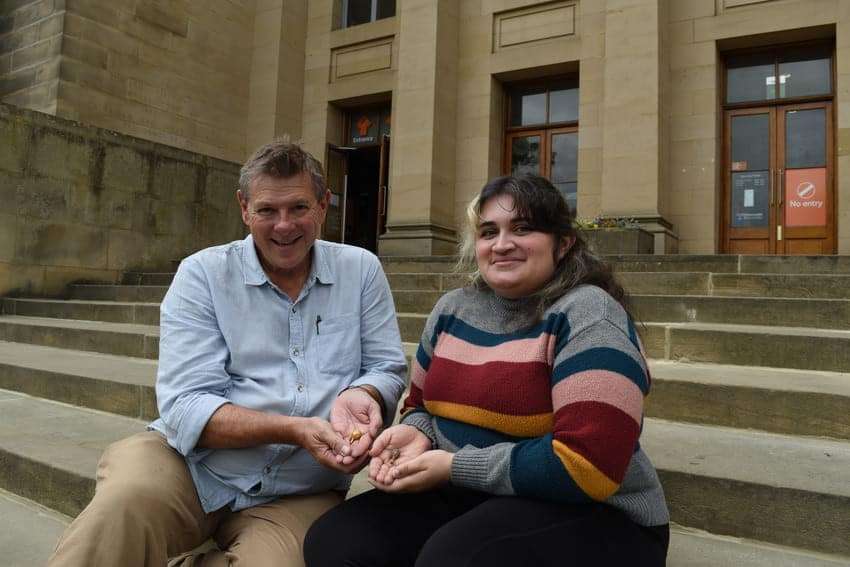
Her mentor, Professor James Gerrard, an expert in Roman history, hailed the artifact as “a rare and significant find. We know Dere Street sustained importance beyond the Roman era, and this discovery confirms the route was frequented by elite individuals.”
Linking Similar Regional Finds
This gold ornament is among several uncovered in the area. Back in 2021, amateur detectorist Alan Gray located a comparable item nearby. Both artifacts are undergoing thorough analysis and will soon be exhibited at the Great North Museum: Hancock in Newcastle. The museum, in partnership with the University of Newcastle, plays a key role in educating students while expanding research on the medieval heritage of the region.
Andrew Agate, the Portable Antiquities Scheme’s Finds Liaison Officer for northeast England, stated this collaboration enables “hands-on student training in archaeological practices alongside exploring the context of these significant early medieval artifacts.”
Potential Spiritual Importance
Researchers suggest these items might have served ceremonial or religious purposes. Their discovery site provides meaningful insight, located along Dere Street between Jedburgh and Hexham, both notable centers of medieval worship.
Professor Gerrard pointed out that Dere Street remained a key passage well into the post-Roman period, indicating the artifacts belonged to people of elevated status. He proposed they may have been “intentionally buried,” implying ritualistic behavior or acts of faith. With two nearly matching pieces now available for detailed study, experts hope to uncover the artifacts’ true meanings and their place in history.
- Categories:
- News










0 comments
Sign in to Comment