
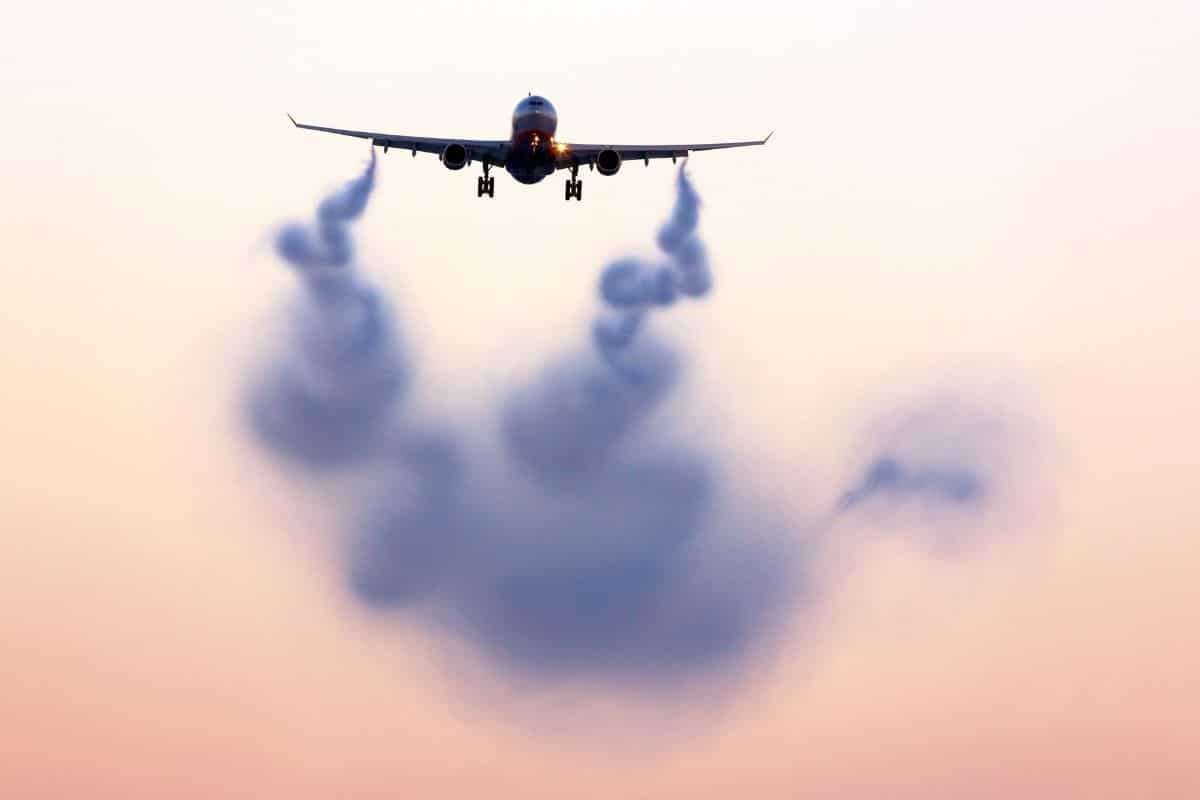
Air travel remains one of humanity’s greatest feats, yet turbulence continues to challenge even the most advanced aircraft today.
Now, cutting-edge artificial intelligence (AI) technologies are being harnessed to improve how planes manage turbulence and prevent stalls, promising safer, smoother journeys for passengers worldwide.
Breakthrough studies reveal that AI could dramatically enhance aerodynamic performance while boosting safety and in-flight comfort.
Revolutionary AI Technology Tackles Turbulence Head-On
Turbulence—those sudden, unsettling air currents—pose ongoing problems for pilots and travelers alike.

Scientists at the KTH Royal Institute of Technology in Sweden, alongside experts at the Barcelona Supercomputing Center, are pioneering AI-powered methods to counteract these challenges.
Their work centers on solving flow detachment, a phenomenon where the smooth airflow separating from the wing surface cuts lift and ramps up drag, heightening stall risks.
The approach involves synthetic jets that release controlled bursts of air through wing surfaces, continuously adapting airflow patterns in real time. According to their findings, AI-controlled jets trimmed airflow separation zones by 9%, outperforming conventional periodic jets which only managed 6.8% reduction.
While these percentages might sound modest, even fractional aerodynamic improvements can significantly enhance flight stability and efficiency.
AI Predicts and Stops Stalls Before They Occur
Stalls, where aircraft lose lift due to disrupted airflow on wings, represent a critical hazard for pilots. Typically, stall warnings activate mere seconds prior, giving limited reaction time.
Advances in Long Short-Term Memory (LSTM) neural networks now enable AI to forecast impending stalls around ten seconds earlier than traditional alerts. Those extra moments are invaluable for preventing accidents.
Conquering the Hidden Threat of Clear-Air Turbulence
AI research is also making headway against clear-air turbulence (CAT), a nearly invisible hazard occurring without visible weather cues, often at cruising altitudes where smooth air is expected.
By combining AI algorithms with Internet of Things (IoT) networks, scientists have crafted detection systems that anticipate these erratic air disturbances before they strike, enhancing passenger comfort and reducing aircraft strain, ultimately lowering maintenance demands.
AI Paves the Way Toward Safer Skies
Though still emerging, AI’s integration into aviation offers tremendous promise. From smoothing out turbulence and predicting stalls to identifying invisible atmospheric dangers, AI is poised to reshape air travel.
Passengers can look forward to calmer flights, airlines may benefit from higher fuel efficiency and cost savings, and pilots gain enhanced tools for decision-making and navigation. Together, these advances signal a new era of safer, more efficient air travel.
- Categories:
- Tech











0 comments
Sign in to Comment