
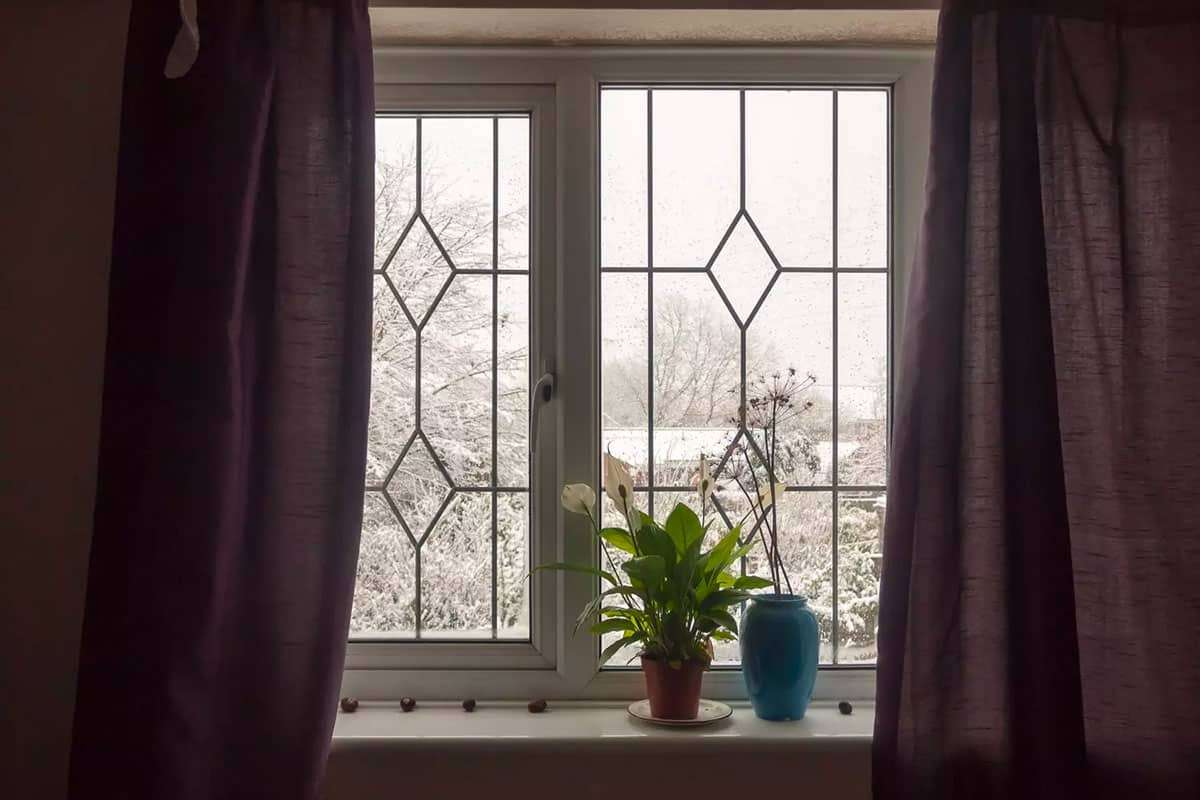
One of the most reliable energy-saving methods passed down from previous generations is the art of draft-proofing. This straightforward practice involves detecting and sealing gaps around windows, doors, and other entry points in the house. Blocking chilly air from getting in and warm air from escaping greatly enhances a home's energy performance.
To pinpoint drafts effectively, try these simple approaches:
- Pass your hand near potential leak areas to sense cold airflow
- Observe candle flames for flickers close to cracks
- Look carefully for visible splits or spaces
After locating these leaks, seal them using materials like weatherstripping, caulking, or foam fillers. This affordable and efficient fix can shrink heating expenses by 5-30%, according to many homeowners.

Blending classic insulation with modern advancements
Even as insulation technology has advanced, the foundational concept remains unchanged since our grandparents' time: keeping warmth inside is key to energy savings. Today’s residents can merge traditional insulation wisdom with new materials for peak performance.
Try incorporating these enduring insulation tactics:
- Hang heavy drapes or curtains to trap indoor warmth
- Fit storm windows to add an insulating layer
- Lay rugs over cold floors to improve heat retention
- Use draft blockers at door bottoms to prevent airflow
Pair these age-old tricks with modern solutions like wall and attic insulation. For example, Harvard’s pioneering tower demonstrates how state-of-the-art insulation can transform building energy efficiency.
Heating smartly with zones
Our forebears excelled at warming only the rooms they occupied, a thoughtful practice now resurging as "zoned heating." By focusing warmth where needed, energy usage is significantly lowered.
Here’s a side-by-side of traditional versus modern zoned heating:
While these antique methods still hold value, integrating technology enhances their effectiveness. Additionally, silent home wind turbines are now emerging as competitive alternatives to solar panels, powering energy-conscious heating setups.
Utilizing nature’s warmth
Traditional homeowners skillfully harnessed natural heat sources to keep comfortable, a strategy that remains relevant. By taking advantage of sunlight and natural ventilation, dependence on artificial heating can be lowered.
Explore these natural warming tips:
- Pull open curtains facing south during daylight to maximize solar gain
- Draw curtains at night to lock in heat
- Place reflective surfaces near windows to redirect heat inside
- Plant deciduous trees that provide summer shade but allow winter sun
Such approaches work especially well when combined with modern solar energy systems. For instance, China’s massive offshore solar arrays illustrate large-scale harnessing of natural energy sources.
By weaving together time-honored techniques and contemporary technology, homeowners can build warm, energy-saving environments. The knowledge from our ancestors, adapted for today, confirms that old-fashioned solutions can successfully address today’s energy and environmental challenges.
- Categories:
- Tech

















0 comments
Sign in to Comment