
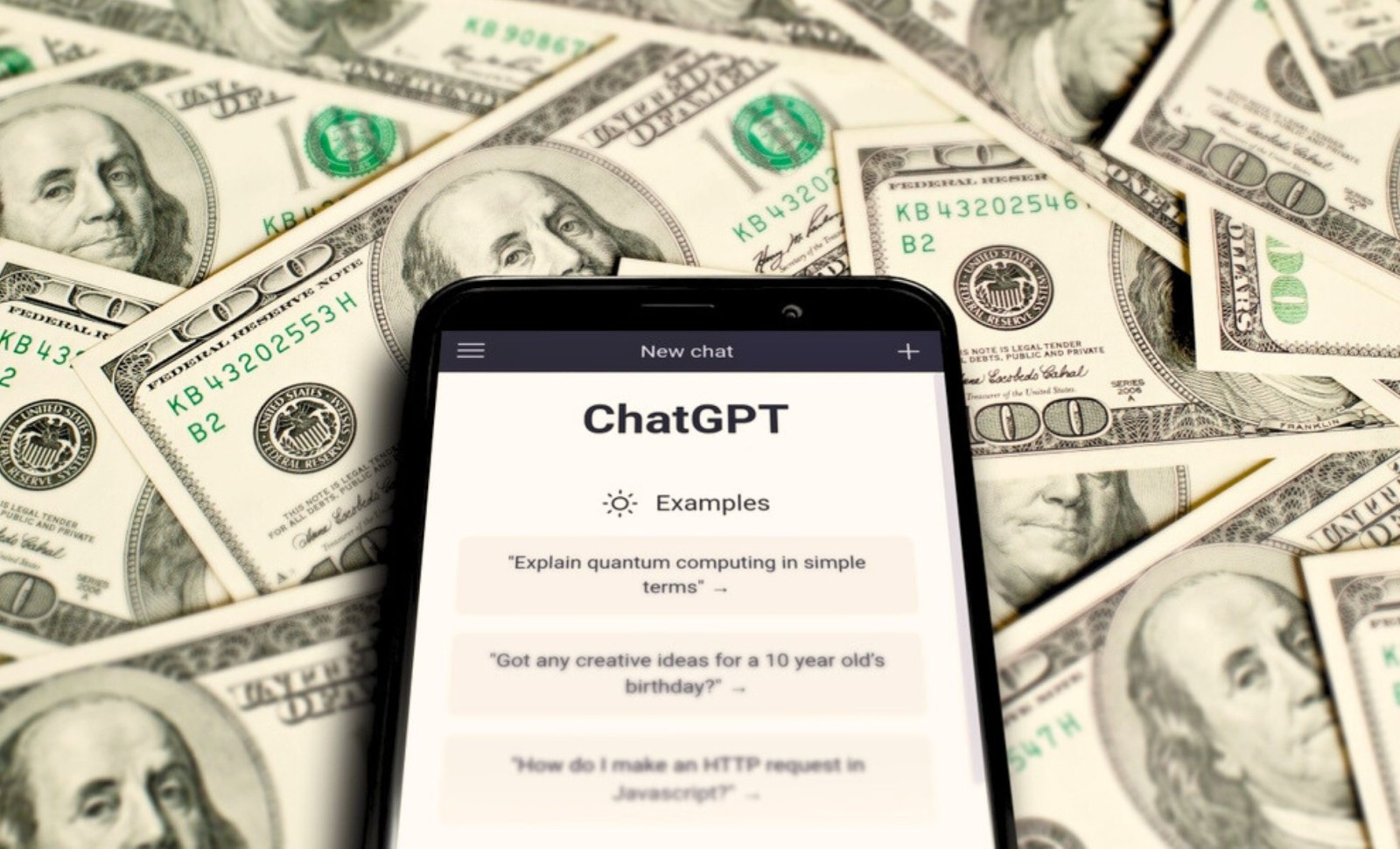
In the early months of 2023, an intriguing social media trial aimed to determine if artificial intelligence could successfully launch a business starting with only $100. The experiment rapidly caught public attention, reportedly generating more than $1,300 in revenue within a day. Just days later, the venture attracted investor interest and was briefly valued at $25,000.
The initiative, spearheaded by digital creator Jackson Greathouse Fall using OpenAI’s GPT-4, inspired tech enthusiasts and casual observers alike. Many celebrated it as a striking example of generative AI’s capabilities in enabling low-cost business creation. Yet, after several months, the excitement dwindled, the company quietly ceased operations, and the founder withdrew from the spotlight.
I gave GPT-4 a budget of $100 and told it to make as much money as possible.
I'm acting as its human liaison, buying anything it says to.
Do you think it'll be able to make smart investments and build an online business?
Follow along 👀 pic.twitter.com/zu4nvgibiK— Jazz Fall (@JazzFall) March 15, 2023Add Cosmo Herald as a Preferred Source

Two years down the line, Greathouse Fall has reemerged to share a more nuanced account of his journey. In a personal message on X, he reflected on the episode as “one of the most challenging phases” of his life, pointing to the intense emotional strain from sudden online fame, investor expectations, and his own unpreparedness.
The Viral Venture’s Foundation: An AI Blueprint
The project, named Green Gadget Guru, was entirely generated by GPT-4. Fall supplied the AI with a $100 budget and a goal to maximize profits. The AI responded with a well-outlined plan: create an affiliate marketing website focused on eco-friendly products, develop a logo using DALL·E, and allocate $40 toward social media advertisements to boost visibility.
Though affiliate marketing is a familiar model for many new entrepreneurs, the rapid traction was unprecedented. Updates chronicling the experiment on Fall’s official X account went viral, accumulating tens of thousands of followers swiftly. Within 24 hours, the website claimed to have generated four-figure revenue, though no independent audit was presented.
This digital phenomenon sparked a wave of investor enthusiasm. Venture capitalists and angel investors reportedly expressed interest, with Green Gadget Guru valued at $25,000 within days—primarily driven by social media engagement. However, the surge in attention was short-lived.
A Meteoric Rise, Followed by a Quiet Fade
The startup’s rapid ascent was mirrored by an equally swift decline. Communication became sparse, income streams dwindled, and overwhelmed by the scale of attention, Greathouse Fall disappeared from the public eye for nearly three years. His latest post indicates the emotional and organizational burdens overshadowed any monetary success.
Spin it back to March 15, 2023.
— Jazz Fall (@JazzFall) March 15, 2025
I have no idea what’s about to happen.
GPT-4 has just dropped, the internet is *abuzz*, and I want to explore an idea that wasn’t just another riff on text generation. A shower thought’s worth of inspiration, I log into Twitter and…
Tick. Boom.
This case is part of a wider pattern. Studies on the mental health impacts of viral fame reveal increased instances of anxiety, burnout, and identity challenges. A 2021 article in Cyberpsychology, Behavior, and Social Networking noted that rapid online prominence often leads to heightened stress and social withdrawal among users.
Additionally, while AI tools are expanding their role in launching enterprises, they cannot replace the essential groundwork for sustainable business development. A 2024 report from the MIT Center for Collective Intelligence cautions against depending heavily on large language models for crucial business decisions. While generative AI can lower startup expenses and automate marketing tasks, it still lacks insight into legal frameworks, supply chain management, and long-term planning.
Popularity vs. Practicality: The Startup’s Hidden Reality
Green Gadget Guru’s appeal lay in its seeming simplicity: an individual backed by $100 and an AI partner. Yet beneath the viral story was a common challenge—online hype inflating value beyond substantive business foundations. For instance, brand designer Jackson Greathouse Fall instructed ChatGPT to transform $100 into as much money as possible quickly and launched the affiliate marketing site Green Gadget Guru. The site quickly attracted attention but was ultimately short-lived.
Critics have voiced broader skepticism about unchecked AI enthusiasm. The French newspaper Le Monde spotlighted linguist Emily M. Bender, director of the Computational Linguistics Laboratory at the University of Washington, whose influential 2021 paper “Stochastic Parrots” warned about the limitations and potential hazards of large-scale language models like ChatGPT. Bender remains a prominent critic of the AI sector’s hype culture through her ongoing discussions with sociologist Alex Hanna.
This episode echoes previous digital market bubbles—from the cryptocurrency ICO craze to the surging and crashing NFT startups in 2021. In these instances, inflated valuations often stemmed from narrative hype rather than solid operational success. Experts warn generative AI might be entering a similar speculative period where excitement outpaces practical development.
Correction (November 3, 2025): An earlier version of this report contained a misattributed quote from Professor Emily M. Bender. That quotation did not reflect her views and has been removed. We apologize for the mistake.
- Categories:
- News













0 comments
Sign in to Comment