
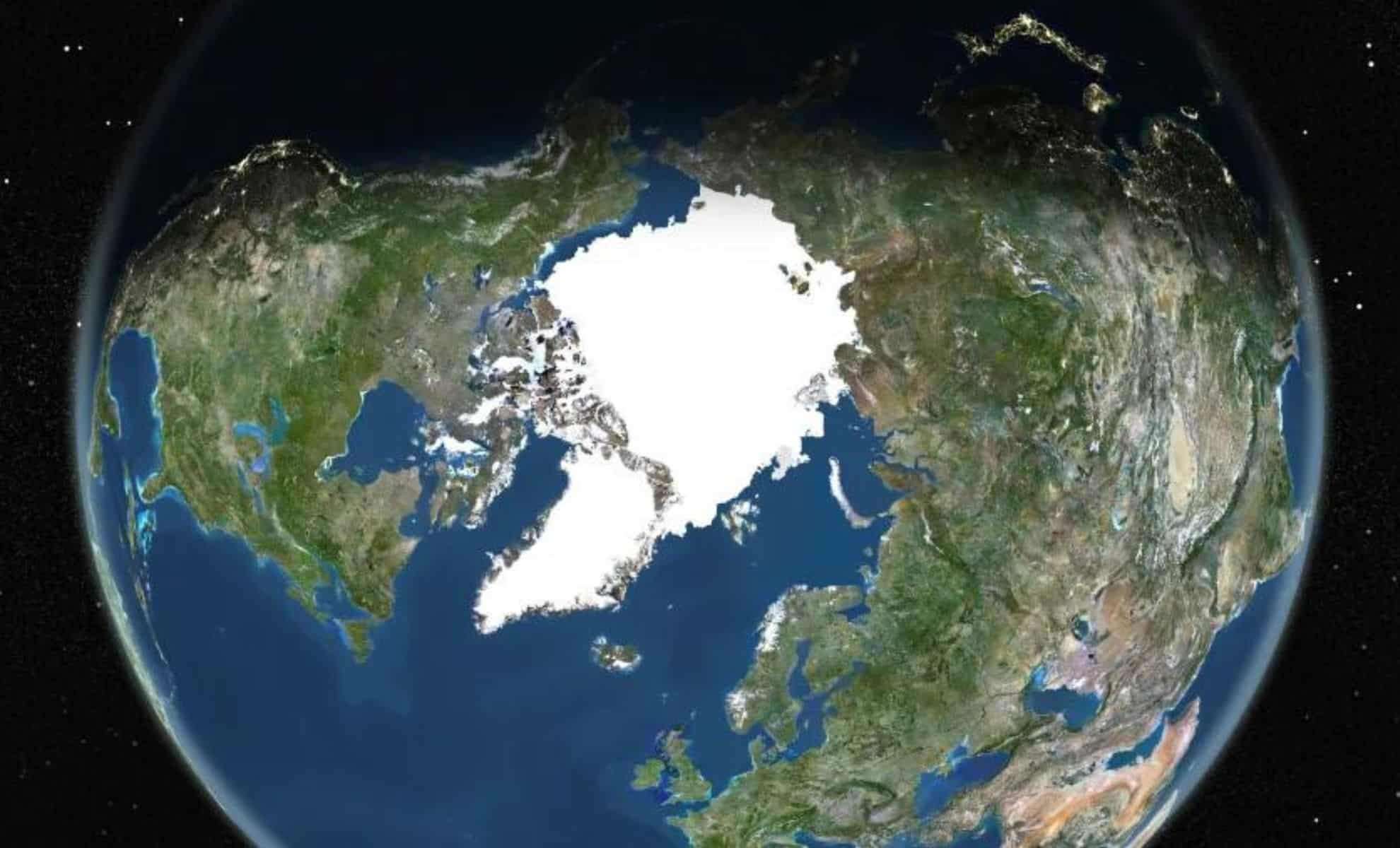
New findings demonstrate that the melting of polar ice sheets, propelled by climate change, is gradually decelerating Earth's rotation, resulting in longer days.
Published in the Proceedings of the National Academy of Sciences, this research highlights the deep-reaching consequences of global warming on Earth's natural systems.
How Polar Ice Loss Influences Earth's Spin
The investigation reveals that runoff from Greenland and Antarctic ice melts redistributes mass closer to the equator. This shift resembles a figure skater slowing their spin by stretching out their arms. Benedikt Soja from ETH Zurich explains, “Earth’s rotation slows as mass moves farther from its axis, increasing rotational inertia.” This effect causes Earth's day to lengthen by several milliseconds.

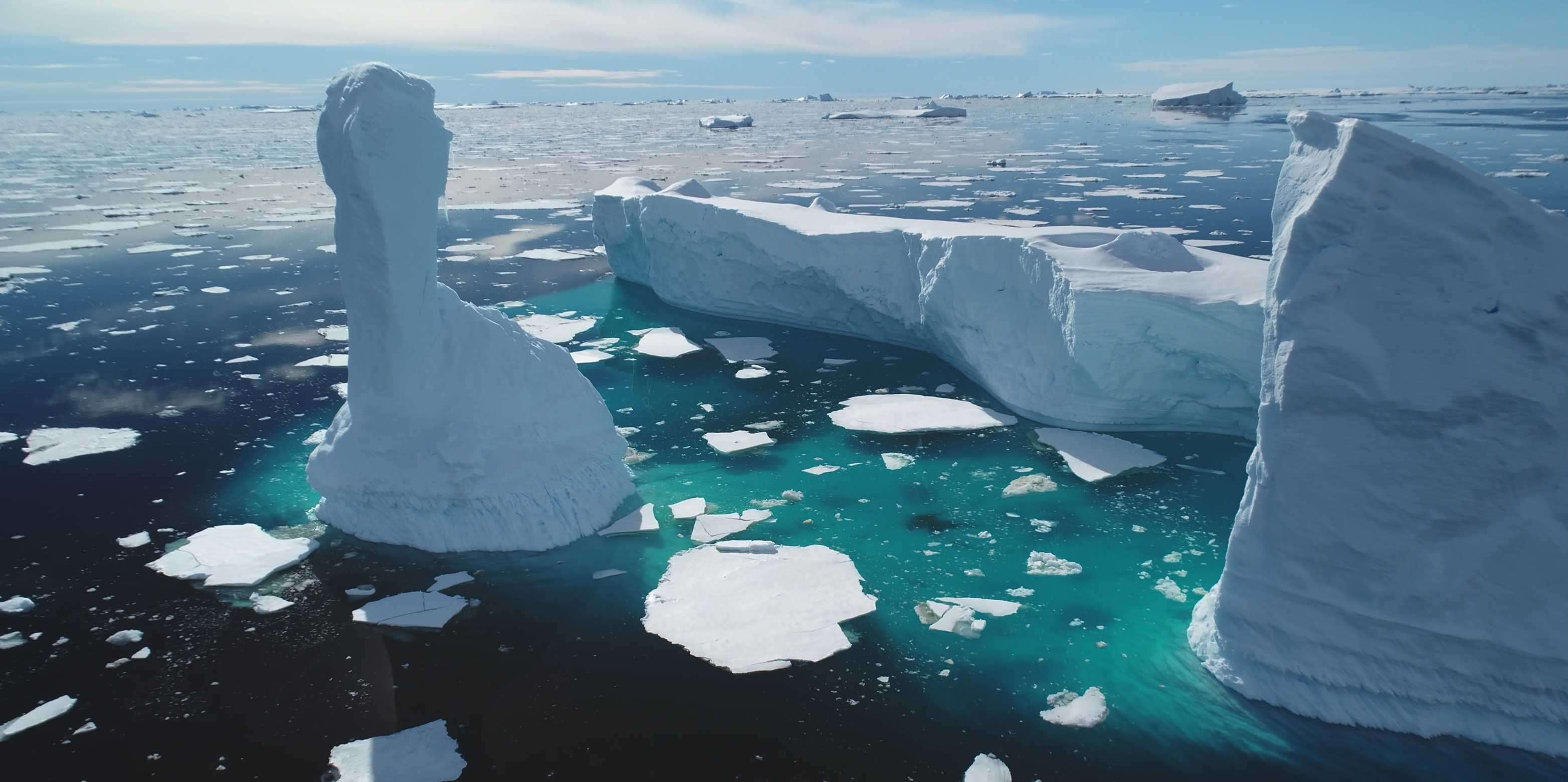
Historically, tidal friction from the Moon’s gravity has been the primary factor slowing Earth’s rotation by roughly 2.4 milliseconds per century. However, according to Surendra Adhikari of NASA’s Jet Propulsion Laboratory, the effect of climate-induced melting is becoming more pronounced. He warns, “If greenhouse gas emissions persist at current levels, climate change could slow Earth’s spin more than lunar tides by the century’s end.”
Consequences for Navigation and Timekeeping Technologies
A slower Earth rotation extends day length, which can disrupt precision-dependent technologies like GPS. Adhikari notes, “Accurately knowing Earth’s position is essential for deep-space communication, including with Voyager spacecraft far beyond our Solar System.”
GPS and other systems rely on atomic clocks tied to specific atomic frequencies to maintain precise timing. As Earth’s rotation slows, adjustments such as inserting or removing leap seconds in Coordinated Universal Time (UTC) will be necessary to keep clocks aligned with planetary rotation.
Evaluating Future and Long-Term Effects
The international research group analyzed data from 1900 to 2100 to assess climate change’s impact on day length. Results indicate climate change has already lengthened days by around 0.8 milliseconds since 1900, with projections under high emissions scenarios suggesting an increase of up to 2.2 milliseconds by 2100.
Benedikt Soja commented, “The influence of climate change on Earth's rotational timing is becoming more significant. Without curbing emissions, climate effects could outpace traditional factors.” This trend underlines the urgency of tackling climate change as it modifies essential planetary dynamics.
Mostafa Kiani Shahvandi, also part of the team at ETH Zurich, mentioned that some hypotheses link longer days to a potential rise in seismic activity, though more research is needed to confirm this connection.
The ongoing reduction of polar ice due to climate warming is subtly but measurably slowing Earth's spin, lengthening days and impacting critical technologies tied to time measurement. This research sheds light on how human-driven environmental changes are affecting fundamental planetary processes, emphasizing the importance of confronting climate change comprehensively.
- Categories:
- News ,
- Climate change








0 comments
Sign in to Comment