
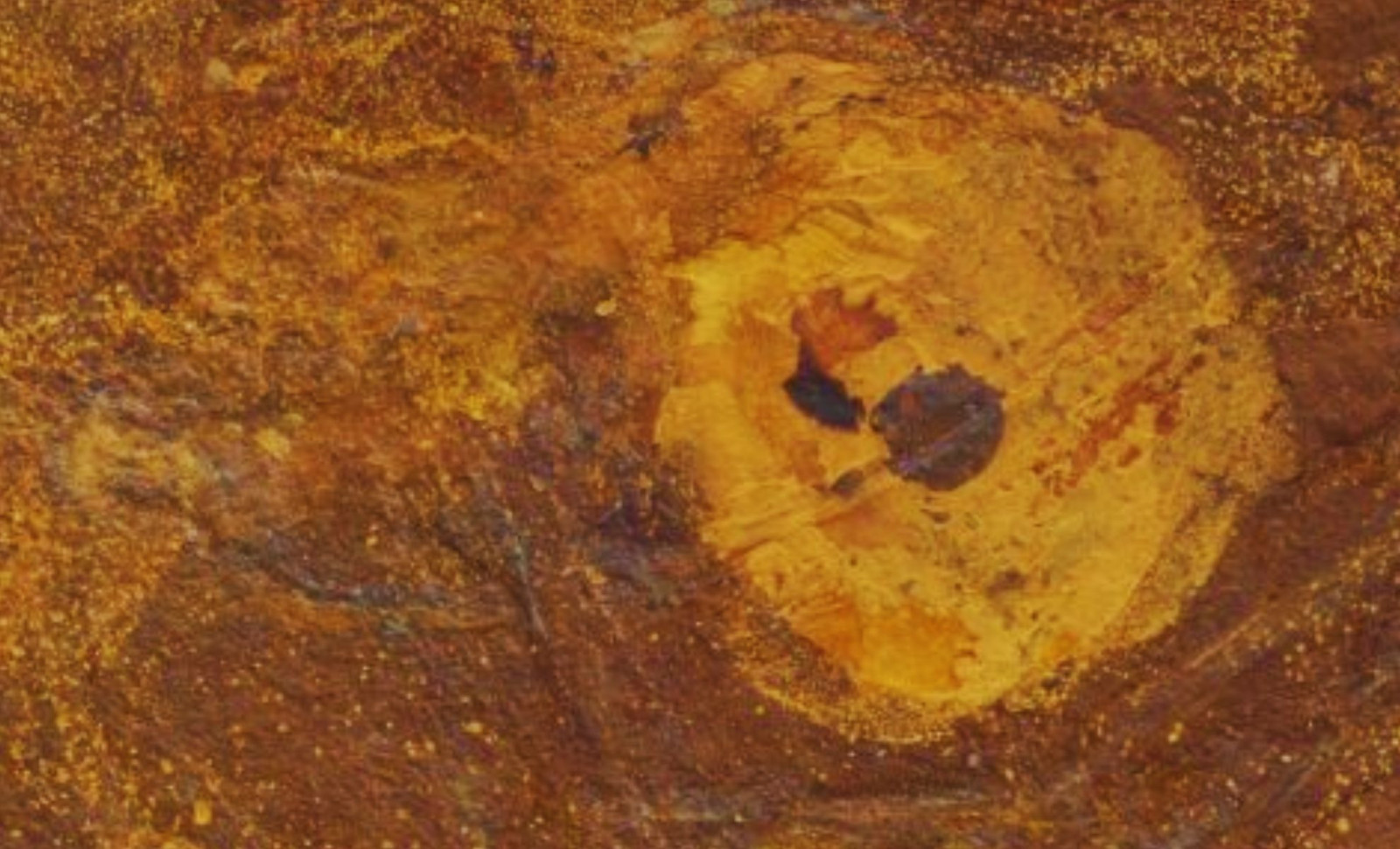
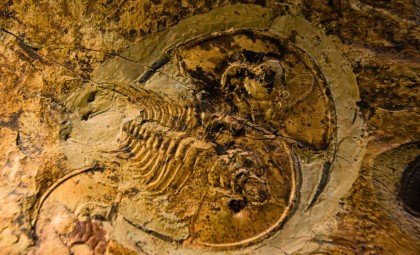
Researchers have uncovered a 15-million-year-old fish fossil in the Australian outback, providing exceptional insights into the creature’s structure, diet, and parasites. This remarkable discovery was made at the famed McGraths Flat fossil site, known for its wealth of well-preserved specimens.
This finding is notable as it represents the first vertebrate fossil recovered from this notable location. The species, named Ferruaspis brocksi, was described by paleontologist Jochen Brocks from the Australian National University, who highlighted the fossil’s extraordinary preservation and its value for understanding ancient aquatic life.
An Unusual Preservation Process
Fossilization is an uncommon and delicate phenomenon, requiring ideal conditions to maintain skeletal material and even rarer, soft tissues. At McGraths Flat, the mineral-rich goethite deposits have helped preserve intricate details such as the fish’s skin. Scientists examined tiny structures called melanosomes within the skin, offering clues about the fish’s original coloration.

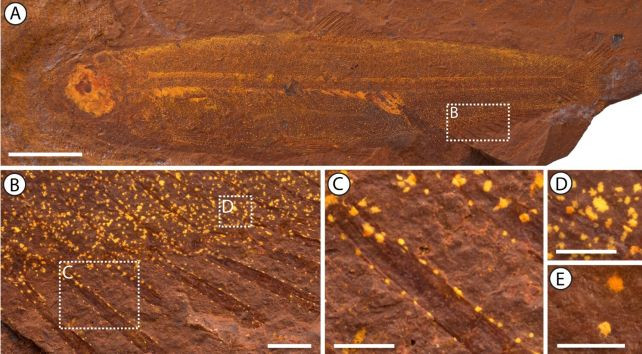
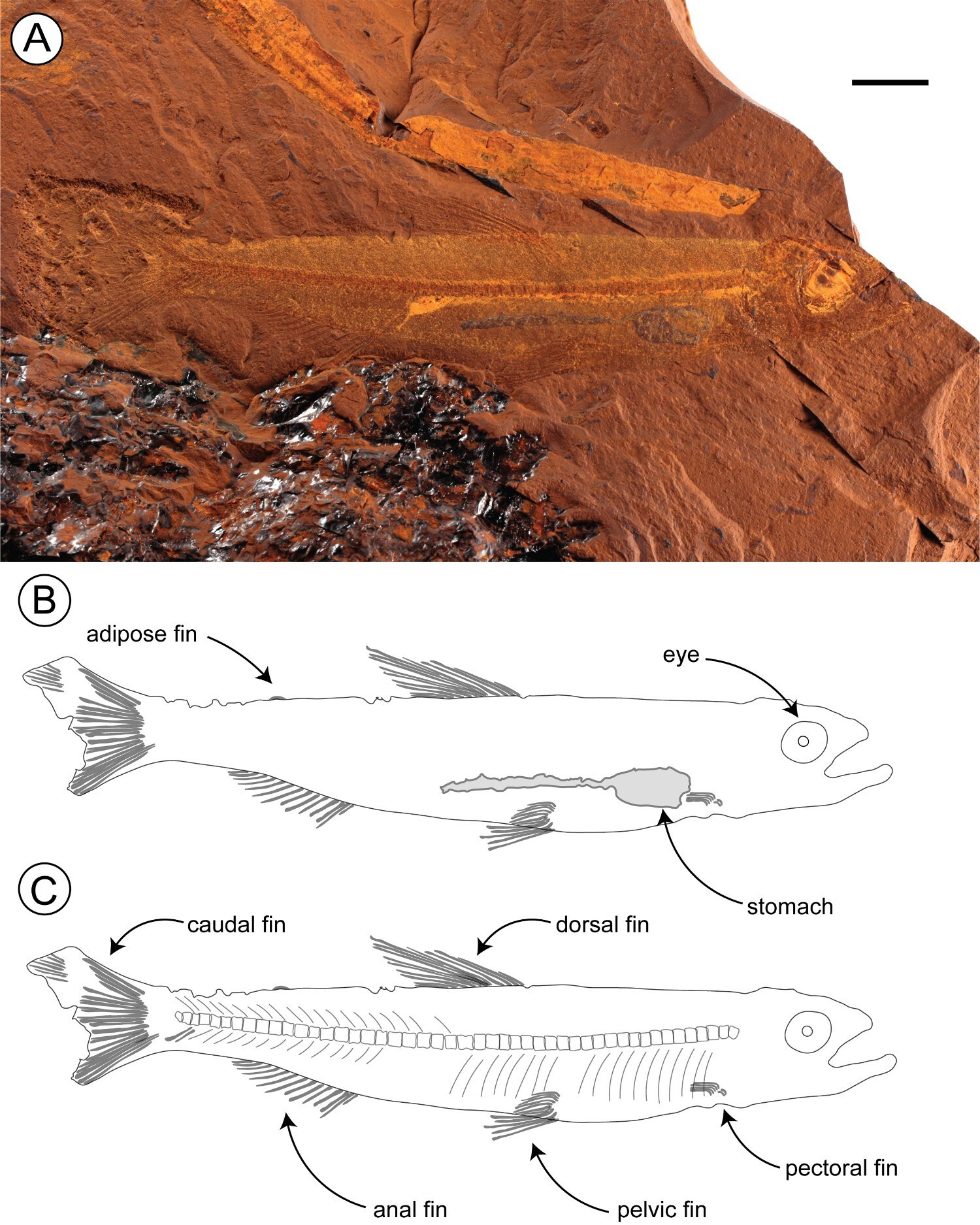
Matthew McCurry from the Australian Museum Research Institute noted this is the first occasion where fossilized melanosomes were employed to reconstruct the pigmentation of an extinct fish species. The fossil also preserved the fish’s last meal, a detail that makes the discovery unique.
The stomach remains showed a diet largely composed of insects and small aquatic creatures, primarily dominated by midge larvae.
A Rare Glimpse into Prehistoric Environments
This discovery contributes significantly to understanding Australia’s ecosystems from millions of years ago. When this fish thrived, the area was covered in lush, temperate rainforests, vastly different from the current desert environment. According to McCurry, the find underscores that Australia’s ancient landscape once supported diverse and abundant life.
“The discovery of the 15 million-year-old freshwater fish fossil offers us an unprecedented opportunity to understand Australia’s ancient ecosystems and the evolution of its fish species.”
The findings, detailed in the Journal of Vertebrate Paleontology, illuminate early evolutionary stages of species such as the Australian grayling and smelt, which were previously not well documented.
“But, without fossils it has been hard for us to tell exactly when the group arrived in Australia and whether they changed at all through time,” he said.
A Treasure Trove of Ancient Life
Beyond the fish fossil, researchers have also uncovered fossils of plants, insects, and even bird feathers within the same site. McGraths Flat is recognized as a Lagerstätte, a geological formation known for outstanding fossil preservation offering rich biological insights.
“The fossils found at this site formed between 11 and 16 million years ago and provide a window into the past.” he added, “They prove that the area was once a temperate, wet rainforest and that life was rich and abundant in the Central Tablelands.”
Jochen Brocks , who first documented the fish fossils, expressed admiration for their exquisite preservation, calling them “one of the most beautiful fossils” he has ever studied.
- Categories:
- Science




0 comments
Sign in to Comment