
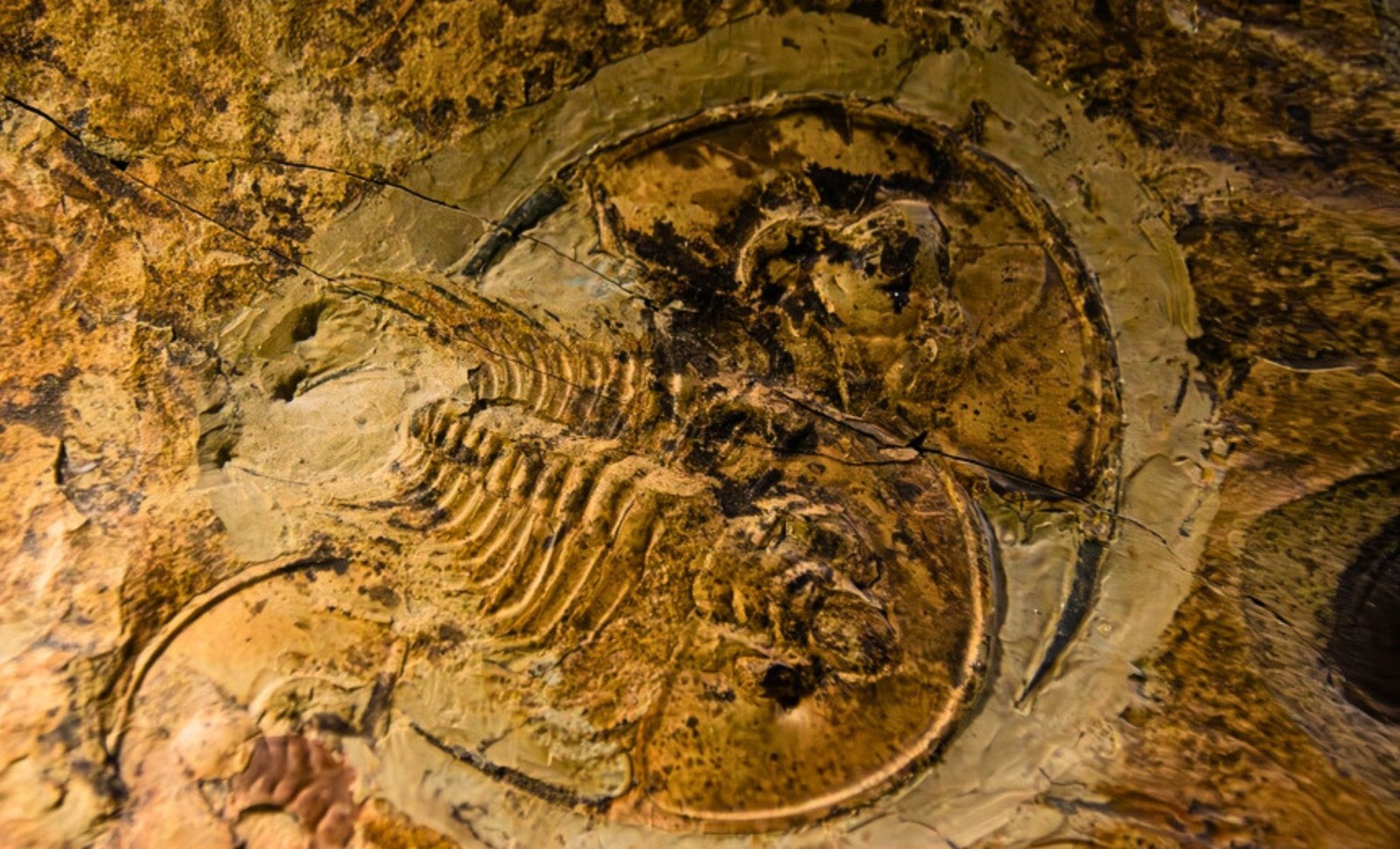
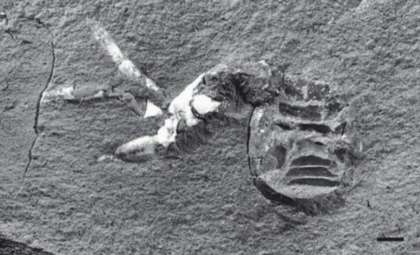
Encased beneath volcanic ash for over half a billion years, a fresh collection of trilobite fossils discovered in Morocco is transforming scientists’ insights into some of Earth’s earliest and most abundant arthropods. These extraordinary specimens preserve, in 3-D, delicate soft tissues such as antennae, limbs, and internal digestive structures for the first time.
Reported in Science, this discovery offers an unprecedented glimpse into the anatomy and lifestyle of trilobites, surpassing the typical fossil record limited to their hard shells. The clarity of these fossils supports earlier hypotheses about their biology while raising new questions regarding their 270-million-year dominance and eventual extinction.
Unearthed in the Atlas Mountains, a region not previously known for preserving soft trilobite parts, the fossils owe their preservation to a dramatic volcanic eruption. This event triggered rapid mineralization in the surrounding sea, capturing the creatures mid-movement before their soft tissues could decay.

Volcanic Ash Drives Exceptional Fossil Preservation
The research team, led by paleontologist John Paterson from the University of New England, Australia, highlighted the unmatched quality of these fossils, which reveal rare anatomical details in lifelike form.
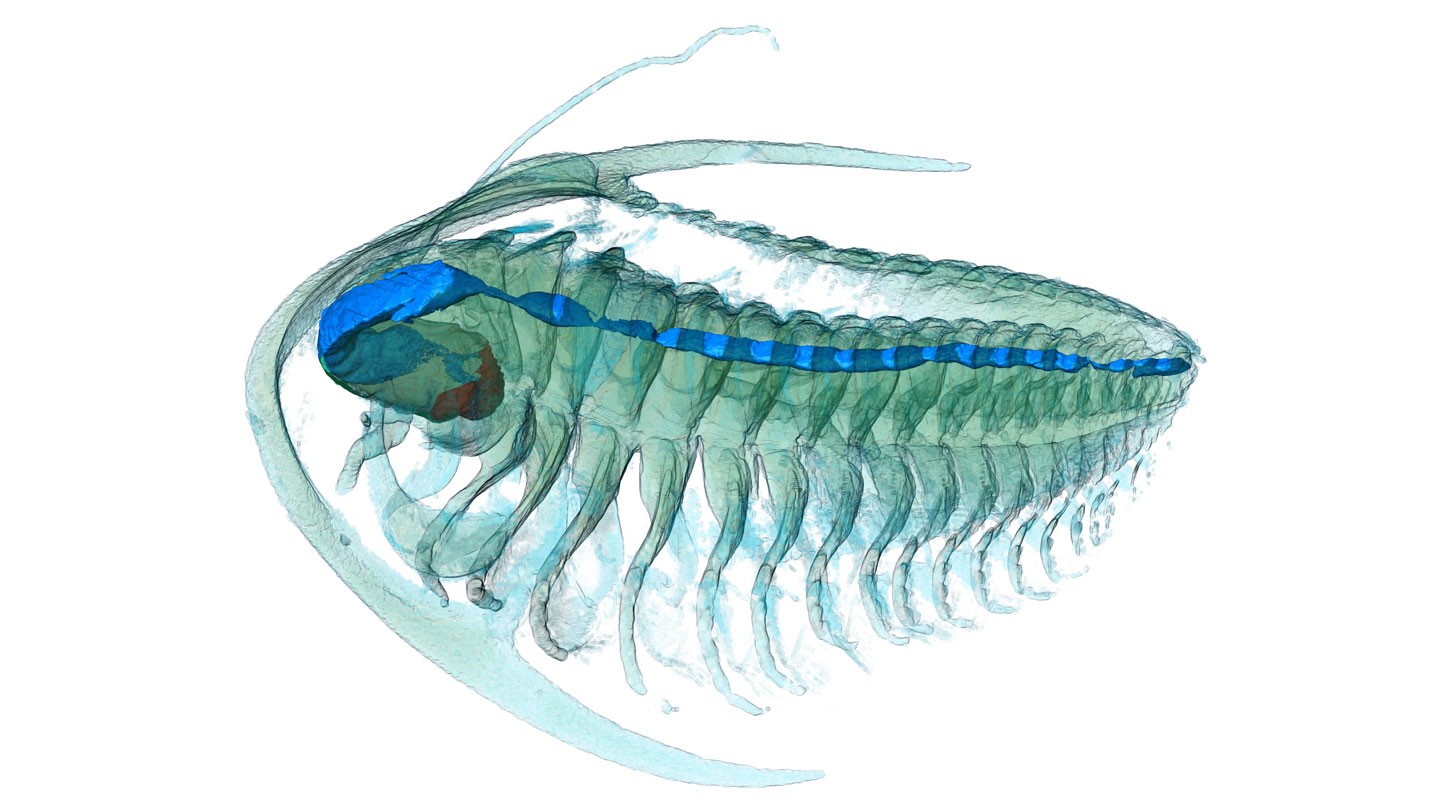
“These specimens represent the most comprehensive trilobite fossils ever found, showcasing not only their exoskeletons but also three-dimensional preservation of soft parts such as antennae, legs, and digestive systems,” Paterson shared with Science News.
How did these fragile soft tissues survive for such an immense span?
Geologist Robert Gaines, a co-author from Pomona College, explained that a volcanic eruption expelled superheated ash into the coastal ocean waters. The ash quickly dissolved and then re-mineralized, encasing the trilobites in a matter of hours or days, far quicker than typical fossilization processes.
“The crucial element,” Gaines noted to Science News, “was that the volcanic ash entered the water before solidifying. The ocean’s cooling effects prevented the ash’s heat from destroying the trilobite tissues.”
He drew parallels to similarly extraordinary Cambrian fossils like Aegirocassis, where this same mineralization mechanism likely operated over 20 million years earlier (source).
This mode of preservation is typically observed only in amber or permafrost, making such exquisite soft tissue fossilization in marine deposits exceptionally rare, especially for material this ancient.
Revealing Trilobite Feeding Mechanisms in 3D
Beyond anatomical detail, these reconstructions provide solid evidence explaining how trilobites consumed food, settling debates that persisted due to the absence of soft tissue information.
The fossils demonstrate that trilobites employed multiple pairs of similar limbs arranged from head to tail to channel food along a central groove toward a simple mouth.
“Food was processed continuously along the animal’s entire body length,” explained paleontologist Nigel Hughes from the University of California, Riverside, who was not part of the study. Emphasizing the importance of the evidence, he told Science News, “The preservation quality clarifies long-standing assumptions made from less complete specimens” (source).
This feeding mechanism contrasts with modern arthropods such as crustaceans that evolved specialized limbs for distinct tasks like swimming or defense. Trilobites seemingly retained a simple, uniform limb structure over hundreds of millions of years.
The authors propose that this evolutionary conservatism and lack of specialization may have hindered trilobites' adaptability, possibly contributing to their extinction at the close of the Paleozoic era.
Rethinking Fossil Preservation and Exploration
This discovery also challenges prevailing ideas about where extraordinary fossils can be found. Traditionally, paleontologists focus on sedimentary rocks, which gently preserve organisms over time.
However, these trilobites were recovered from volcaniclastic rocks formed by volcanic ash and debris—materials once considered too destructive for fossil retention.
“Students are often taught that fossils are exclusive to sedimentary rocks,” Paterson noted in the Science News article. “Our findings directly challenge this teaching.”
With volcanic events frequent in Earth’s ancient history, this research encourages scientists to reevaluate volcanic deposits worldwide as potential sites for fossil discoveries previously overlooked.
- Categories:
- Science


0 comments
Sign in to Comment