
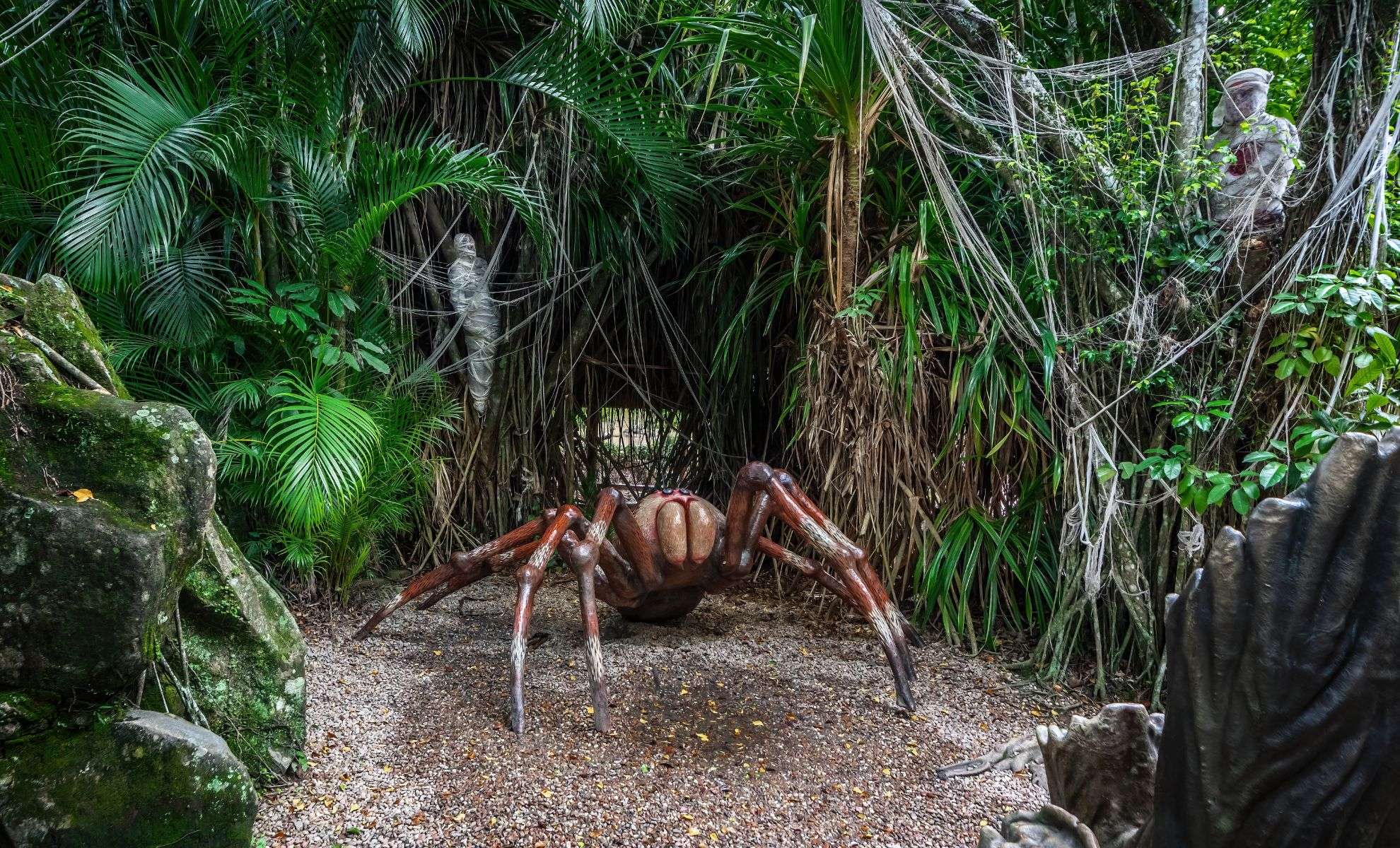
A fascinating new fossil discovery of a giant trapdoor spider in New South Wales has sparked excitement among researchers and enthusiasts alike. Published recently in the Zoological Journal of the Linnean Society, this finding represents a significant breakthrough in the exploration of prehistoric arachnids.
An Ancient Giant Unearthed
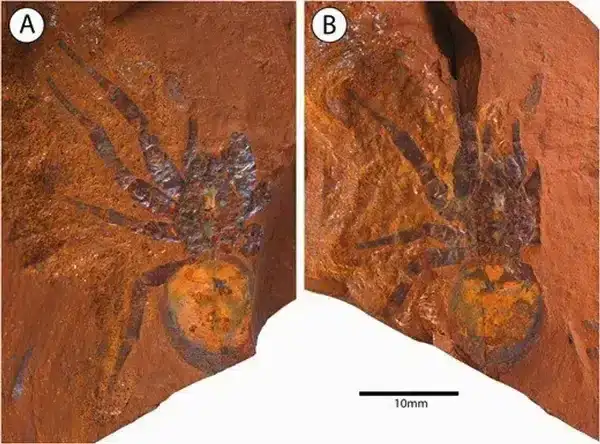
The species, named Megamonodontium mccluskyi, stands out due to its impressive dimensions. Fossils indicate the spider was approximately five times larger than current trapdoor spider species, boasting a body length of 23.31 millimeters, just over an inch. This discovery is particularly exceptional as it belongs to the Barychelidae family, a group seldom found in the fossil record.
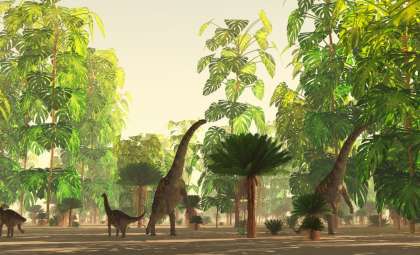
Extant relatives of Megamonodontium mccluskyi thrive today primarily in the rainforests of Singapore and Papua New Guinea, hinting that ancient populations once inhabited similar environmental conditions in Australia. Over millions of years, however, the continent’s increasing dryness likely led to their disappearance from mainland Australia.

Insights from a Giant Fossil
The fossil site, presently known as McGraths Flat, was originally a thriving rainforest before transforming into the current grassland landscape. Understanding this environmental shift sheds light on how climate changes influenced Australia’s biodiversity and contributed to the extinction of species like the prehistoric trapdoor spider.
Researchers have long hypothesized that the transition from humid rainforests to arid zones played a pivotal role in species losses. Through detailed examination of fossilized remains from the Miocene epoch, including the remarkable giant spider, scientists reconstruct how Australia’s climate and ecosystem evolved over millions of years, revealing key aspects of the continent’s ancient natural history.
The Fossil’s Role in Evolutionary Studies
Given that spider fossils are extremely rare across Australia—only four known discoveries—this specimen’s exceptional preservation allows researchers to examine fine anatomical features like the claws and setae on its legs and pedipalps.
Using advanced techniques such as scanning electron microscopy, scientists confirmed that the spider belongs to the same family as today’s trapdoor spiders. Matthew McCurry, a paleontologist at the University of New South Wales, commented, “Only four spider fossils have ever been found throughout the whole continent, which has made it difficult for scientists to understand their evolutionary history. That is why this discovery is so significant.”
Could Australia’s Past Climate Illuminate Our Future?
The fossil site contains a rich collection of Miocene flora and fauna, serving as a natural archive preserving evidence of the region’s ancient rainforests. The detailed preservation even includes subcellular structures, providing researchers with valuable clues about how climate and environmental changes impacted life forms on the continent during that era.
A New Chapter in Arachnid Research
Breaking new ground in arachnology, this is the first-ever fossil found belonging to the Barychelidae family worldwide, marking a milestone in the study of ancient spiders. Robert Raven, arachnologist at the Queensland Museum, remarked, “Not only is it the largest fossilized spider to be found in Australia, but it is the first fossil of the family Barychelidae that has been found worldwide.”
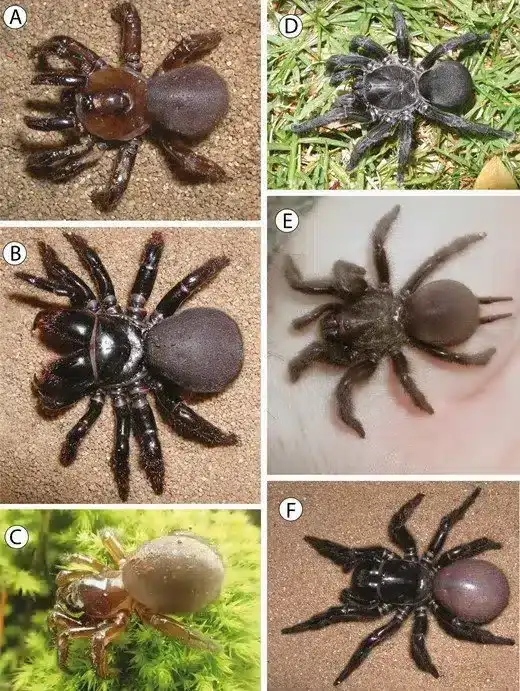
The uncovering of Megamonodontium mccluskyi provides a rare glimpse into an ancient epoch where giant arachnids roamed dense Australian rainforests. Ongoing study of this extraordinary specimen promises to deepen understanding of spider evolution and the climatic transformations that have shaped Australia’s landscapes over time.
- Categories:
- Science



0 comments
Sign in to Comment