
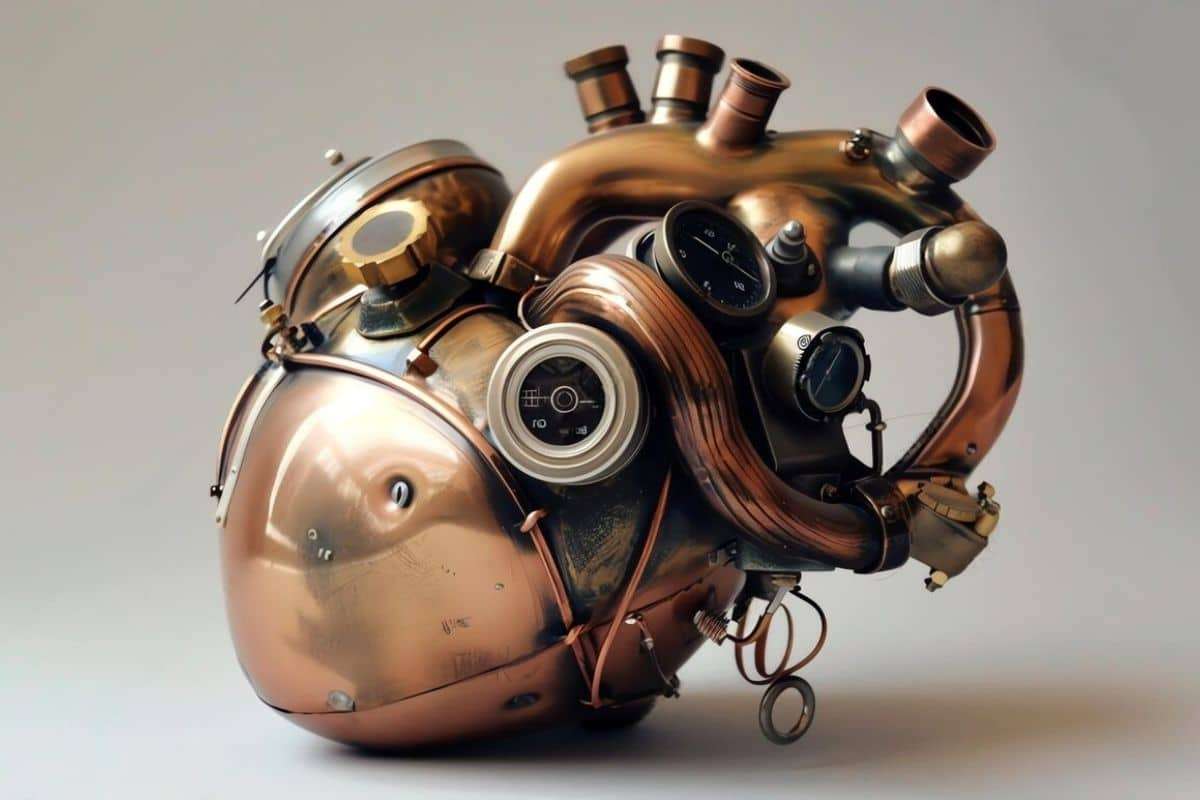
An incredible medical feat was achieved in Australia when a man became the first to live beyond 100 days using a complete artificial heart prior to undergoing a successful donor transplant.
This pioneering surgery, carried out in Sydney, represents a significant advancement in treating end-stage heart failure and has the potential to transform cardiac care globally.
A Groundbreaking Achievement in Cardiac Care
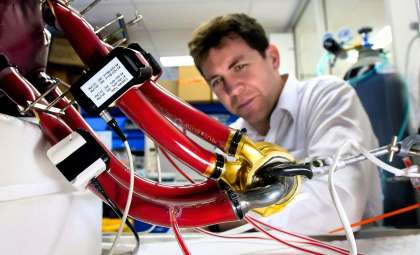
The patient, a man in his 40s from New South Wales, faced life-threatening heart failure with limited treatment options. He was the first person in Australia to receive the BiVACOR total artificial heart, an innovative device that fully replaces the function of the damaged human heart.
The BiVACOR heart, created by Dr. Daniel Timms, employs magnetic levitation technology to mimic the pumping action of a natural heart. Unlike traditional artificial hearts, this compact and robust device maintains consistent blood flow without using delicate mechanical parts.

The historic surgery took place on November 22, 2024 at St Vincent’s Hospital in Sydney, spanning six hours under the direction of cardiothoracic surgeon Dr. Paul Jansz. Remarkably, the patient was discharged in February—a world first—before undergoing a successful donor heart transplant the following month.
Tackling the Global Shortage of Donor Hearts
Heart failure affects over 23 million people worldwide each year, yet only about 6,000 donor hearts are available annually, leaving many patients without effective treatment options.
Dr. Jansz, the lead surgeon, described the operation as a milestone for Australian healthcare. “This moment is the culmination of years of effort, and we’re proud to have pioneered this procedure in Australia,” he remarked.
Cardiologist Professor Chris Hayward, who monitored the patient’s recovery, anticipates that this innovation will revolutionise heart failure therapy on a global scale.
“The BiVACOR Total Artificial Heart opens a new chapter for transplant medicine, both here in Australia and internationally,” Hayward explained. “In the coming decade, artificial hearts will become a vital alternative for patients who can’t wait for or access donor hearts.”
Challenges to Perfecting Artificial Hearts
While the milestone is impressive, artificial hearts are not yet a complete substitute for donor organs. Professor David Colquhoun, a Heart Foundation board member, pointed out that although surviving beyond 100 days is notable, donor hearts typically last more than a decade.
The Australian government has committed $50 million towards advancing and bringing the BiVACOR heart to market. This is part of the Artificial Heart Frontiers Program, a Monash University-led research effort. The recent Sydney success is expected to be followed by many more such procedures soon.
- Categories:
- Science









0 comments
Sign in to Comment