
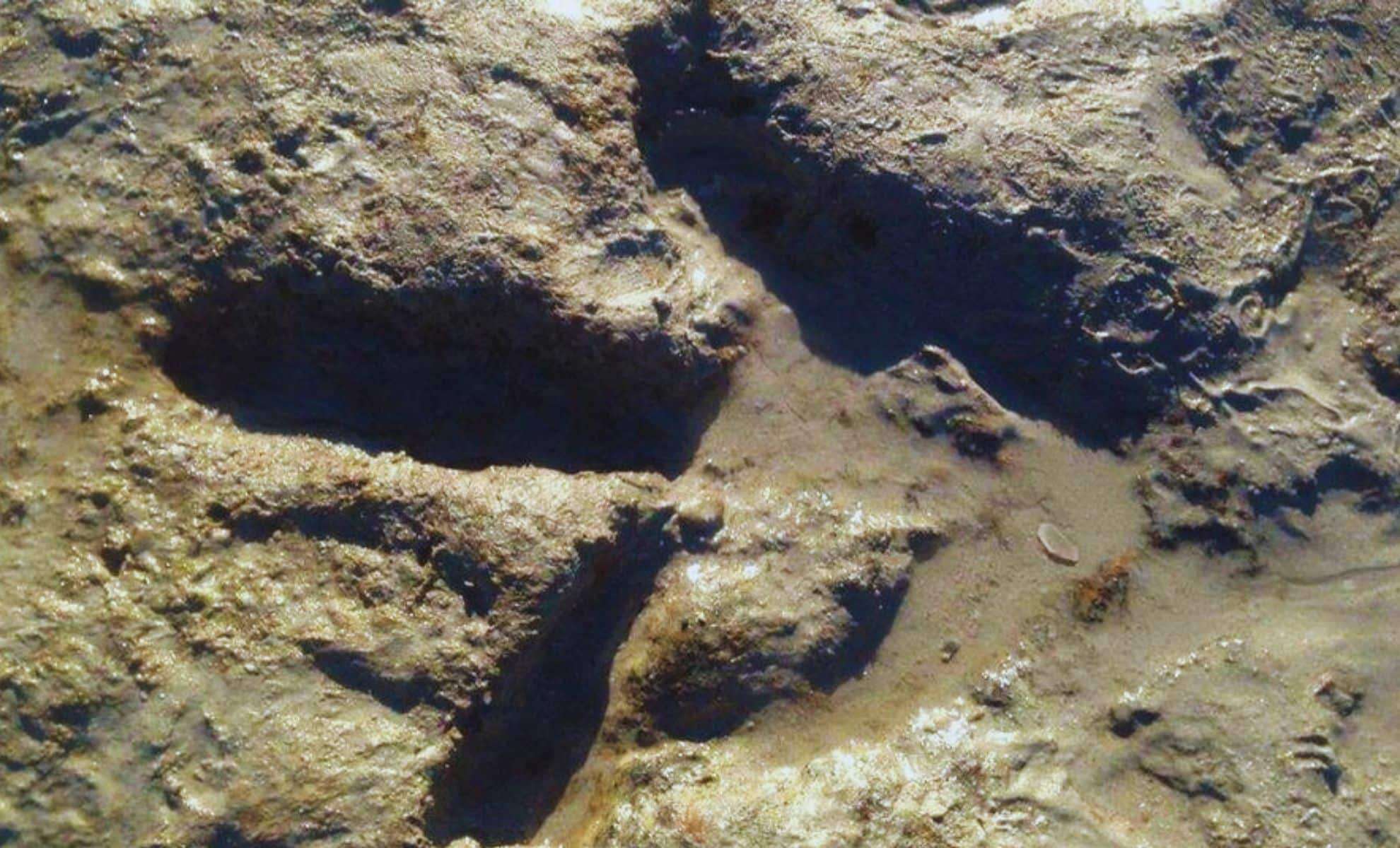
Australia continues to enrich its reputation as a treasure trove of dinosaur fossils with an extraordinary find: a 200-million-year-old set of dinosaur footprints concealed within a boulder at Biloela State High School.
A recent article in Historical Biology reveals that a seemingly mundane rock, displayed in the school foyer for over 20 years, is actually a remarkable Jurassic relic.
Unveiling a Jurassic Puzzle
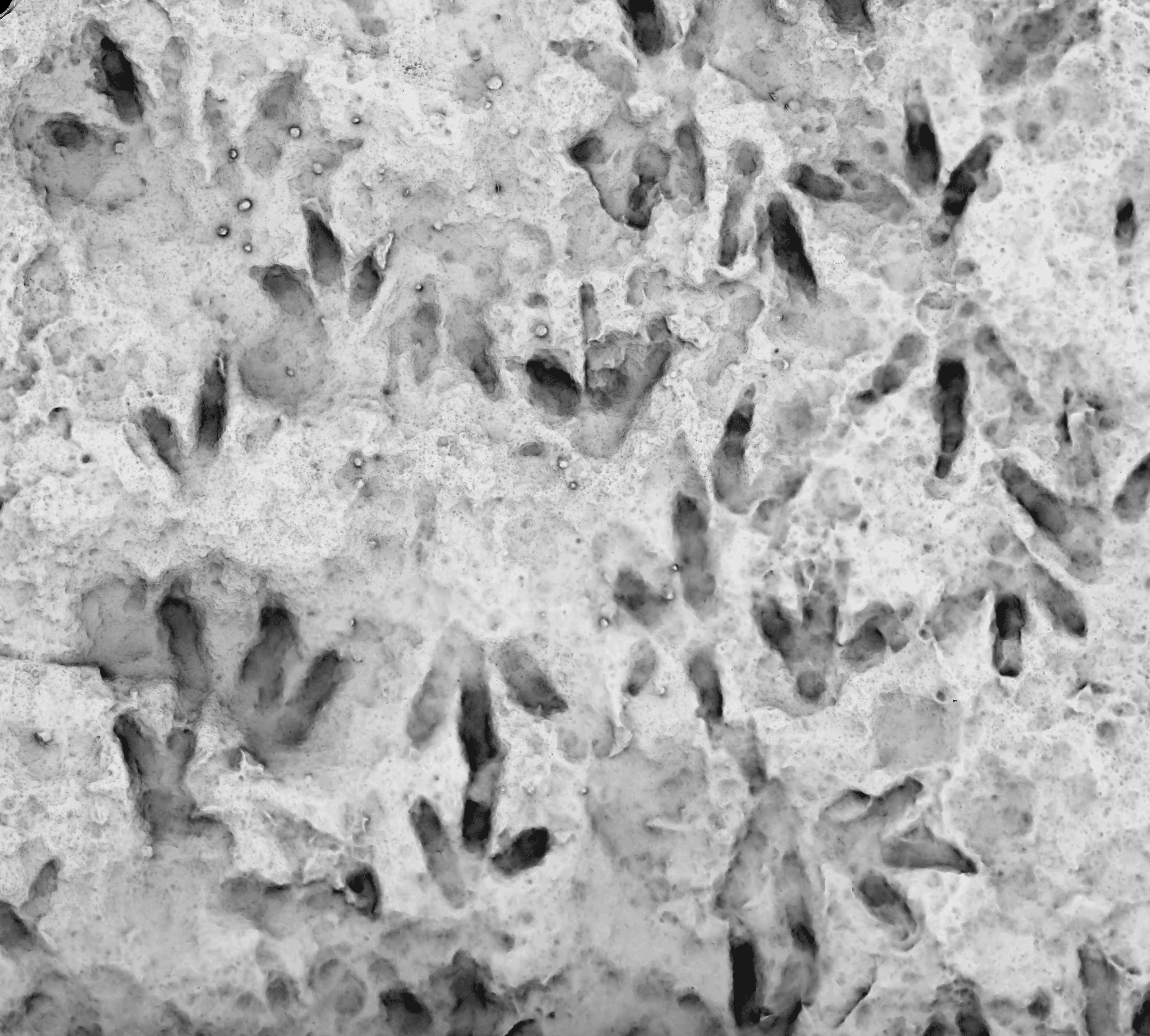
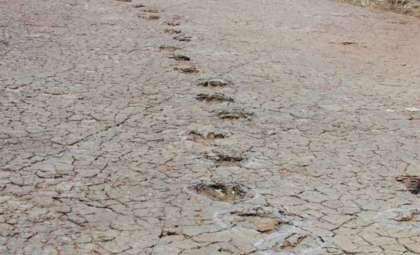
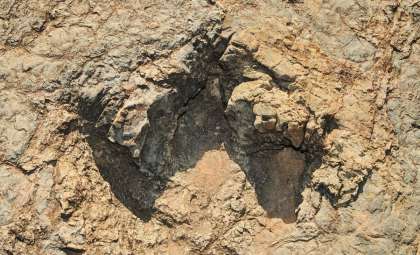
Initially regarded merely as a decorative stone, the boulder remained in the hallway of Biloela State High School unnoticed until a thorough investigation in 2021 exposed its true significance. It contains an astonishing 66 footprints left by 47 distinct dinosaurs during the Jurassic era.

This remarkable discovery was made after paleontologist Anthony Romilio from the University of Queensland was invited to examine the rock. Romilio’s prior research on fossilized footprints near Callide Coal Mine, located close to the school, led local officials to suspect the boulder’s significance.
Upon detailed study, Romilio’s team recognized the boulder, approximately three feet in length, as the largest known concentration of dinosaur footprints ever found on Australian soil.
Meet the Creatures Behind the Tracks
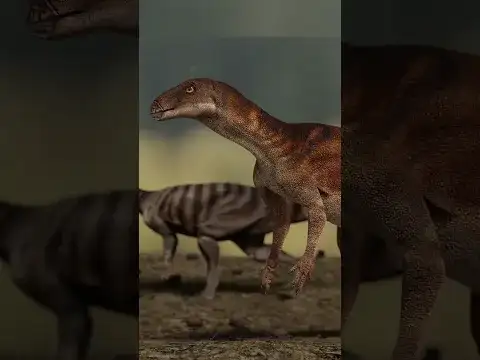
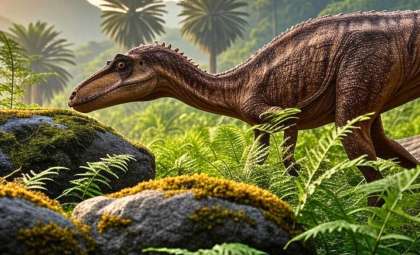
The imprints belong to Anomoepus scambus, a small herbivorous dinosaur from the early Jurassic period, roughly 200 million years ago.
These dinosaurs were relatively diminutive, standing between 10 inches and slightly over one foot tall. Noted for a robust build, elongated legs, and shorter forelimbs, Anomoepus scambus moved leisurely at around four miles per hour.
The characteristic three-toed footprints offer invaluable clues about their locomotion and lifestyle.
“This is an unprecedented snapshot of dinosaur abundance, movement, and behavior from a time when no fossilized dinosaur bones have been found in Australia,” stated Romilio.
From Mine Site to School Entrance
The stone’s journey began at a mining site, where it was uncovered during preliminary inspections before blasting operations. Initially, a local geologist mistook the imprints for those of a three-toed bird-like animal, similar to a chicken.
This geologist, whose spouse taught at Biloela State High School, salvaged the boulder before it was destroyed and presented it to the school. For years, it remained an unassuming fixture until Romilio’s team identified its true paleontological value.
Significance of the Findings
This rare discovery not only illuminates the behavior and movement of early herbivores like Anomoepus scambus but also provides a window into a poorly understood period of Australia’s prehistoric past when dinosaur bones are scarce. Romilio and collaborators describe the find as an invaluable glimpse into the lives of these ancient creatures.
Now considered one of the country’s most important paleontological artifacts, the boulder holds the key to learning more about the Jurassic period’s ecosystem. The fossilized footprints represent the most extensive assemblage ever documented in Australia.
Safeguarding This Paleontological Treasure
Although the boulder currently remains at the school, Romilio envisions relocating it to a public venue for wider accessibility.
“It’s incredible to think that a piece of history this rich was resting in a schoolyard all this time,” Romilio remarked.
Relocating the boulder would enable visitors to witness this remarkable exhibit firsthand and deepen public understanding of Australia’s prehistoric heritage.
Potential for More Hidden Dinosaur Treasures
This discovery prompts intriguing questions about what other prehistoric fossils might be concealed across Australia. The numerous tracks found in mining areas hint at the possibility of many more yet-to-be-discovered dinosaur footprints.
Uncovering these clues could shed more light on ancient ecosystems and the diverse creatures that inhabited the continent millions of years ago. Given the rising frequency of such finds in mining regions, Australia is poised to reveal additional prehistoric secrets in the coming years.





0 comments
Sign in to Comment