
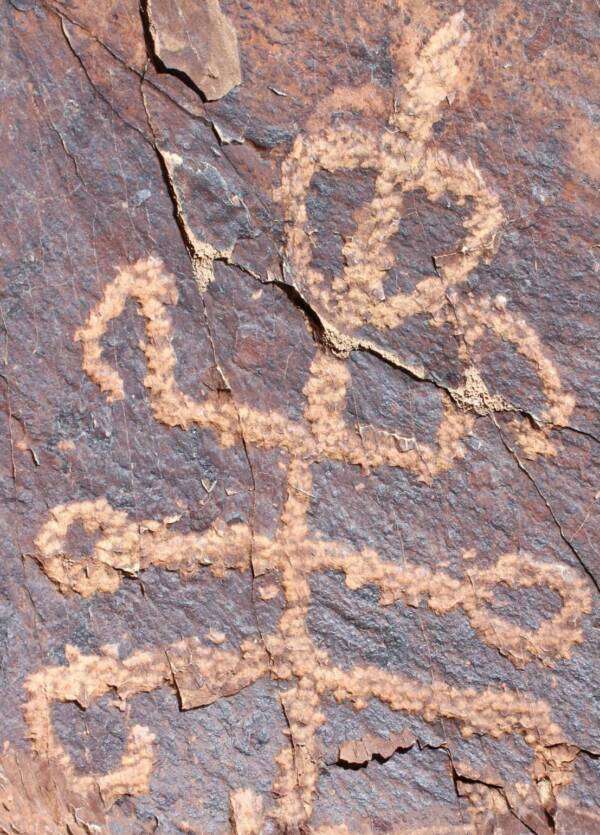
Archaeologists have uncovered a mysterious prehistoric engraving depicting a bizarre creature combining human and praying mantis features. This intriguing petroglyph, found at the Teymareh location in central Iran, is estimated to be as old as 40,000 years, presenting a find unlike anything previously encountered by researchers.
Though the carving measures just around five inches tall, its intricate details are captivating: elongated limbs, pronounced eyes, and a pointed head resembling certain regional mantis species. Despite these insect traits, the figure maintains a human-like stance, with arms bent into loops reminiscent of ancient symbolic patterns observed worldwide.
A Curious Blend of Insect and Human Elements
While rock art featuring large animals or humans is common, this hybrid figure of mantis and man is truly exceptional. According to All That’s Interesting, experts had to engage both archaeologists and entomologists to clarify the figure’s origin. Their study, published in the Journal of Orthoptera Research, classifies it as a symbolic mix, now dubbed the “Squatting Mantis Man.”

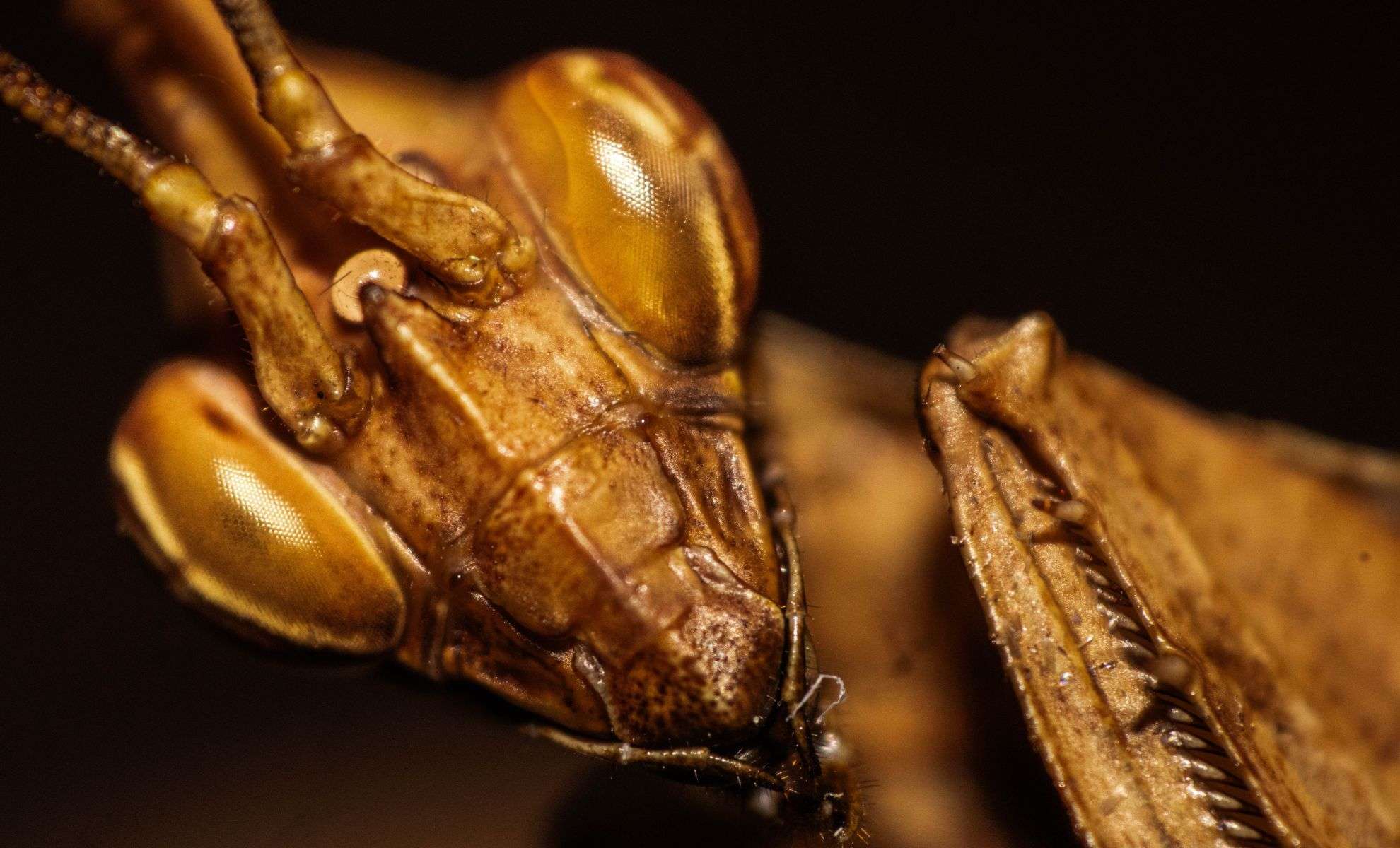
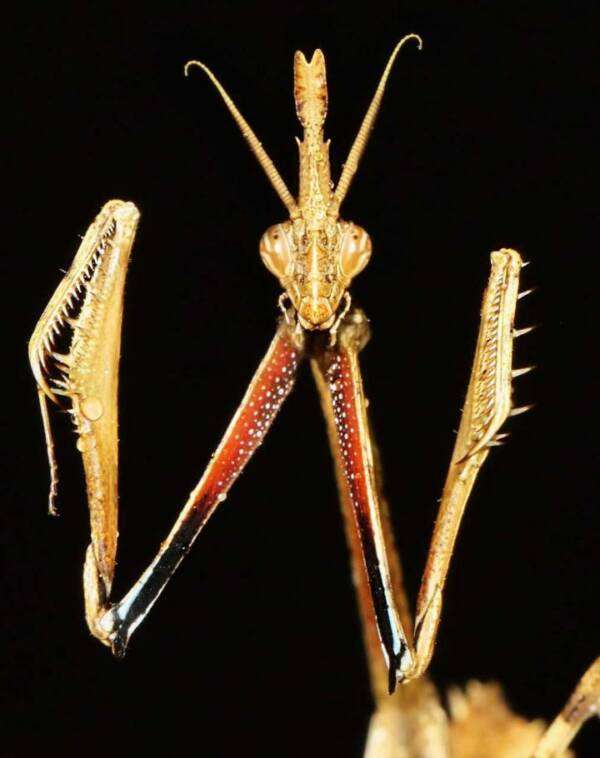
Closer inspection reveals the figure incorporates distinctive features of the regional mantis species Empusa, notable for its elongated neck and unique head protuberance. As noted in Newsweek, the Empusa genus is native to the Iranian plateau, suggesting the ancient carver had direct encounters with this insect.
However, the figure’s upright pose and looped limbs suggest it represents something beyond a mere oversized insect.
Speculations and Unanswered Questions
The reason behind carving such an image remains unknown. All That’s Interesting suggests the engraving might illustrate early humans’ fascination with mantids—their stealth, quickness, and alien-like qualities. There’s been speculation, though unconfirmed, that hallucinogenic plants may have influenced such prehistoric art, an idea first proposed in the 1980s.
Praying mantises have held symbolic significance in various ancient cultures. This unique figure may depict a spirit, symbolize transformation, or simply memorialize a creature that captivated the artist’s attention.
Dating Challenges and Cultural Context
Assigning an exact age to the carving has proven complicated. Radiocarbon dating was not feasible due to sanctions restricting scientific access in Iran. Researchers therefore relied on stylistic comparisons with nearby carvings, resulting in a broad date range of roughly 4,000 to 40,000 years. Even at the youngest estimations, this makes it among the earliest known insect-inspired depictions in prehistoric art.
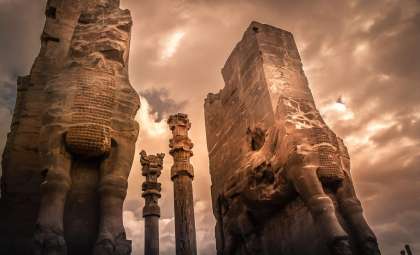
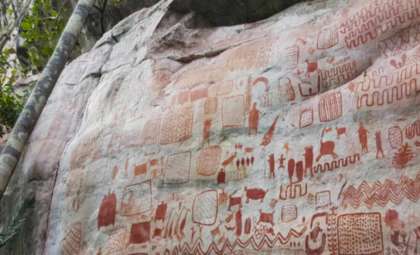
This petroglyph is part of a larger assemblage of animal carvings scattered through the Markazi Province mountains. These were likely created by nomadic peoples passing through, leaving behind depictions of animals, stories, and spiritual imagery. The “Squatting Mantis Man” remains a striking anomaly among these figures, adding to its enigmatic charm.
- Categories:
- News








0 comments
Sign in to Comment