
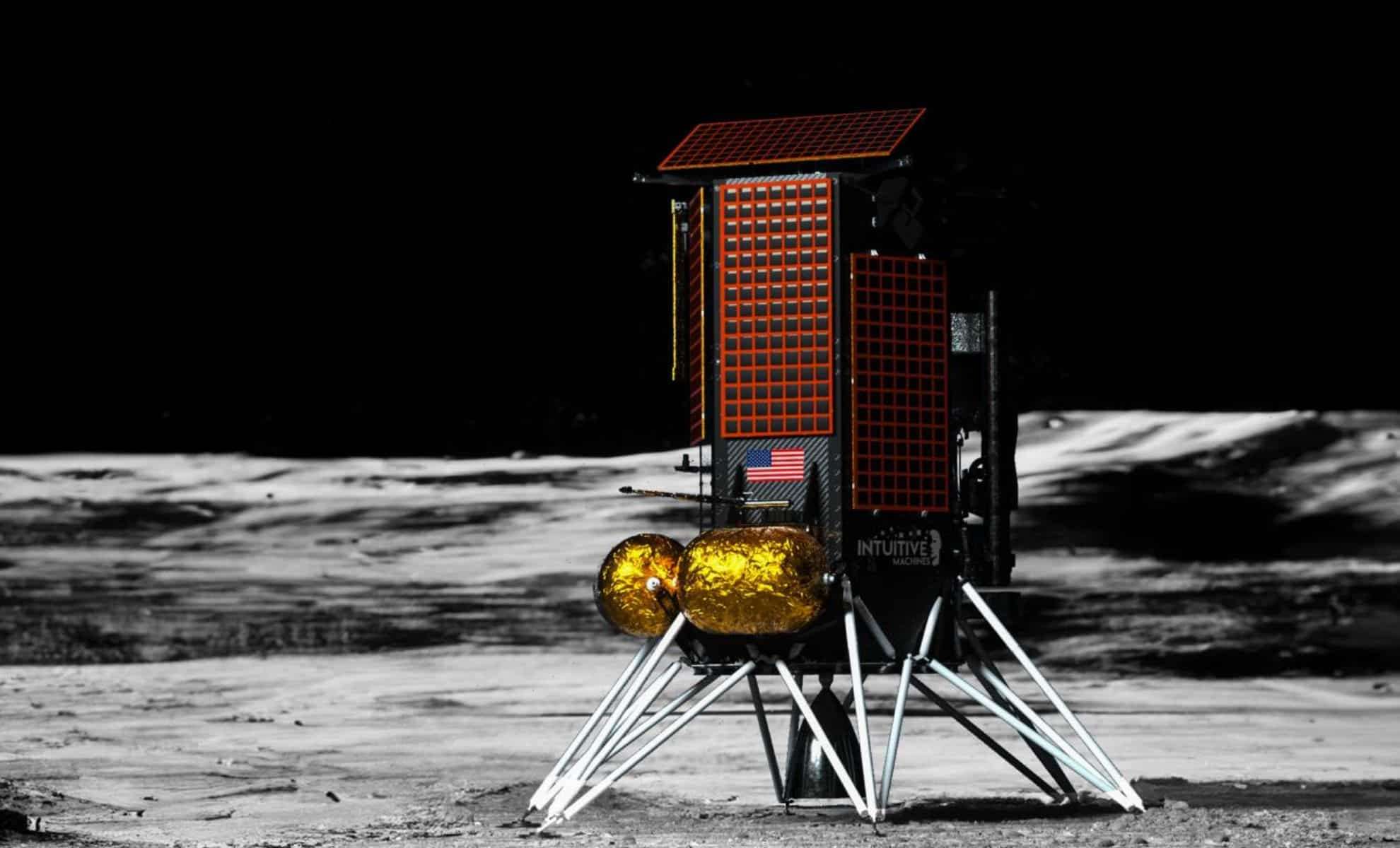
NASA has entrusted Intuitive Machines, a Houston-based aerospace firm, with a major contract to support its quest to examine the Moon's South Pole.
Valued at $116.9 million, this agreement is part of NASA’s Commercial Lunar Payload Services (CLPS) program, which focuses on partnering with private companies to deploy scientific instruments and test new technologies on the Moon. Set for launch in 2027, the mission will target the Moon’s South Pole, a region known for its permanently shadowed craters that may hold clues about the solar system’s water origins.
Goals Targeting the Lunar South Pole
This project is a crucial fragment of NASA’s wider Artemis program, designed to bring people back to the Moon and build a long-lasting lunar presence. The South Pole’s extreme environment, with its freezing temperatures and challenging landscape, makes it an excellent site to investigate volatile substances such as trapped water ice. Joel Kearns, deputy associate administrator for exploration within NASA’s Science Mission Directorate, noted that this will be the fourth dedicated payload delivery to this area, showcasing NASA’s dedication to extensively exploring the Moon.

Intuitive Machines will oversee payload integration, Earth launch, lunar landing operations, and mission management. This award marks the tenth CLPS contract delegated by NASA, reflecting the agency’s strategy to maintain a steady schedule of lunar deliveries across different lunar sites.
Science and Technology Payload Highlights
The spacecraft will carry six primary payloads targeting specific research goals to deepen understanding of the lunar environment. Among these is the Lunar Explorer Instrument for Space Biology Applications, an experiment examining how yeast cells react to radiation and lunar gravity, coordinated by NASA’s Ames Research Center. Insights from this experiment will enhance knowledge about life’s resilience in space.
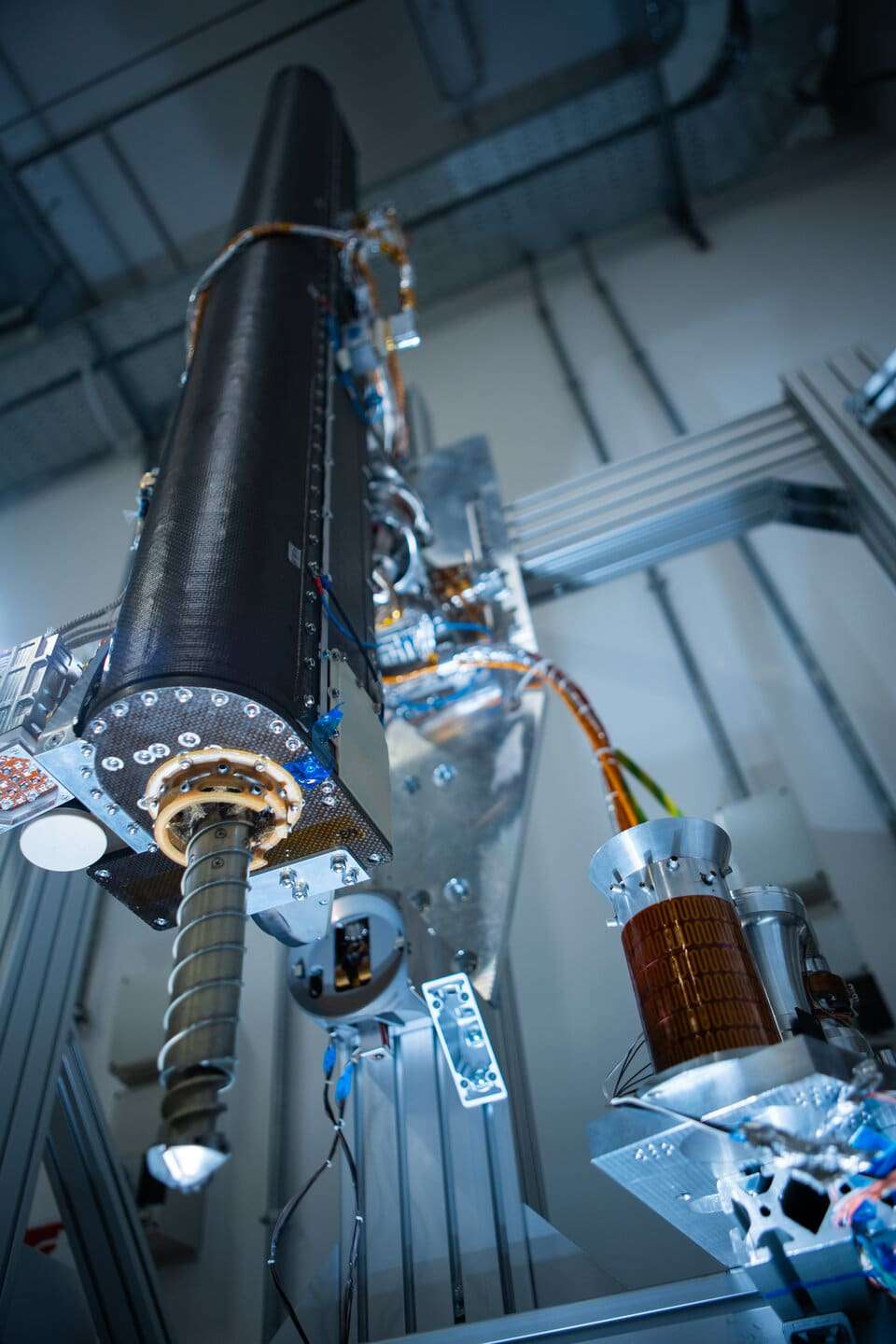
A vital instrument suite on board is the Package for Resource Observation and In-Situ Prospecting for Exploration, Characterization, and Testing (PROSPECT), developed jointly with the European Space Agency (ESA). PROSPECT will drill up to one meter beneath the surface to collect and analyze samples, probing for water ice and other volatiles. This capability is critical for future missions aiming to use lunar materials, reducing dependency on Earth-supplied resources. Richard Fisackerly, PROSPECT’s project lead, highlighted the mission’s potential to enable long-term human activities on the Moon by tapping local resources.
Additional payloads include the Laser Retroreflector Array for precise distance measurements between the spacecraft and the lander, and the Surface Exosphere Alterations by Landers experiment, designed to monitor the impact of landing operations on the Moon’s surface. These instruments, run by NASA’s Goddard Space Flight Center, will provide critical data to support future lunar exploration ventures.
Europe’s Role in Advancing Lunar Science
ESA’s contribution underscores the global teamwork behind lunar exploration. The PROSPECT payload features a robotic drill named ProSEED and a compact chemical laboratory called ProSPA. ProSEED is engineered to penetrate the cold, shadowed lunar surface down to depths where ice may be preserved, withstanding temperatures as low as -100°C. ProSPA will conduct in-depth analysis of these subsurface samples to identify essential volatiles for lunar resource harvesting.
Development of PROSPECT involves a diverse industrial consortium, with Italian company Leonardo leading the ProSEED drill design and the UK’s Open University spearheading the ProSPA instrument. Simeon Barber, head of the ProSPA team, expressed enthusiasm about the mission’s opportunity to analyze fresh lunar material, potentially uncovering ancient reservoirs of ice and opening new pathways for future missions and resource exploitation.
- Categories:
- Astronomy ,
- News ,
- Space ,
- Nasa






0 comments
Sign in to Comment