
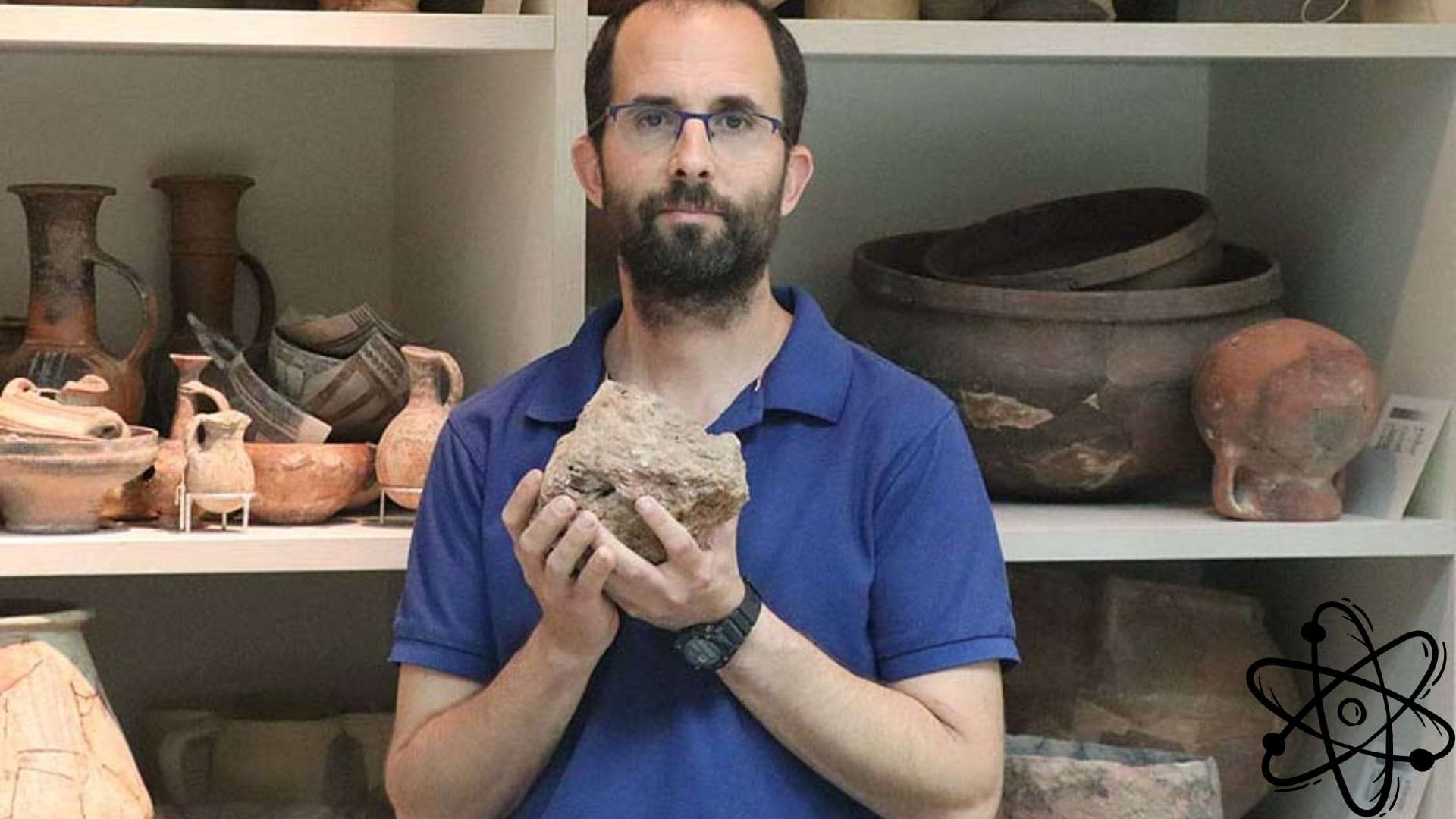
Researchers have introduced a cutting-edge technique to authenticate significant events described in the Bible. Utilizing archaeomagnetic dating, which analyzes the Earth's past magnetic field preserved in archaeological materials, this study has generated compelling proof supporting the timeline of several pivotal incidents mentioned in the Hebrew Scriptures.
This interdisciplinary approach between archaeology and geophysics is revolutionizing our understanding of ancient warfare, urban destruction, and the ever-changing nature of Earth's magnetic environment.
Understanding Archaeomagnetic Dating: The Science Behind the Method
Archaeomagnetic dating identifies magnetic minerals embedded in heated archaeological artifacts, like pottery and baked mud bricks. When these objects endure intense heat, they capture the snapshot of the Earth’s magnetic field present at that moment in time.

By analyzing the alignment and strength of these magnetic particles, scientists establish precise timelines for ancient acts of destruction. This technique, when combined with conventional archaeological records and radiocarbon dating, offers refined historical chronologies.
King Hazael’s Conquests Validated by Magnetic Evidence
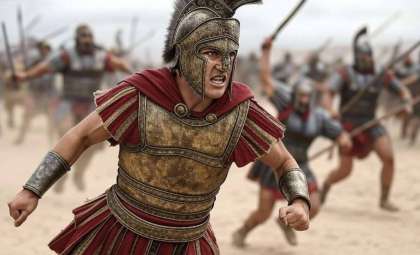
A major achievement of this research involves King Hazael of Aram-Damascus, noted in biblical texts and historical records. Prior hypotheses indicated that his military campaigns led to the downfall of sites such as Gath of the Philistines, Tel Rehov, Tel Zayit, and Horvat Tevet.
Magnetic signatures from these areas confirm they were all destroyed within the same campaign around 830 BCE. This groundbreaking finding supports documented histories and biblical narratives, underscoring the expansive reach of Hazael’s military ventures, which had been debated for years.
Reevaluating the Destruction of Tel Beth-Shean
The study also offers new perspectives on the fall of Tel Beth-Shean. Previously believed to be a casualty of Hazael’s conquests, magnetic data indicates the devastation took place 70 to 100 years earlier, coinciding more closely with the military activities of Pharaoh Shoshenq. These magnetic findings align with Egyptian records and biblical references, prompting a revision of historical events in the Southern Levant region.
The Collapse of Judah: Insights from Scientific Analysis
The biblical account of Judah’s fall in 586 BCE has long been scrutinized, especially regarding the Babylonians’ role. Archaeomagnetic evidence introduces new detail: while many cities fell to Babylonian forces, some were destroyed by the Edomites—a faction mentioned briefly in scripture but often overlooked historically. This suggests the Edomite attacks occurred subsequent to Babylon's campaign, providing a more nuanced view of the political landscape during Judah’s downfall.
Shifts in Earth’s Magnetic Field and Their Historical Significance
Beyond biblical correlations, these findings carry implications for our comprehension of the Earth’s magnetic field. Rather than gradual change, evidence points to rapid fluctuations during this period, with magnetic intensity increasing more than twice in certain locales.
Such rapid variations indicate a less stable geomagnetic environment in antiquity, challenging earlier assumptions. These insights are vital for enhancing models of Earth’s core behavior and improving geophysical forecasts.
Future Directions: Expanding Archaeomagnetic Applications
This pioneering research not only refines our grasp of biblical history but also expands the potential for archaeological studies worldwide. Combining archaeomagnetic dating with standard archaeological techniques equips scholars with a powerful tool to test historical theories more precisely. As this methodology advances, it promises to unlock further secrets from other ancient civilizations and reassess accepted historical chronologies.
The synergy between archaeomagnetic science and historical inquiry is proving transformative in decoding the past. This novel approach has authenticated significant biblical events, revised timelines of ancient conflicts, and enhanced knowledge of Earth's magnetic field dynamics, heralding a new era in the study of antiquity.
- Categories:
- News









0 comments
Sign in to Comment