
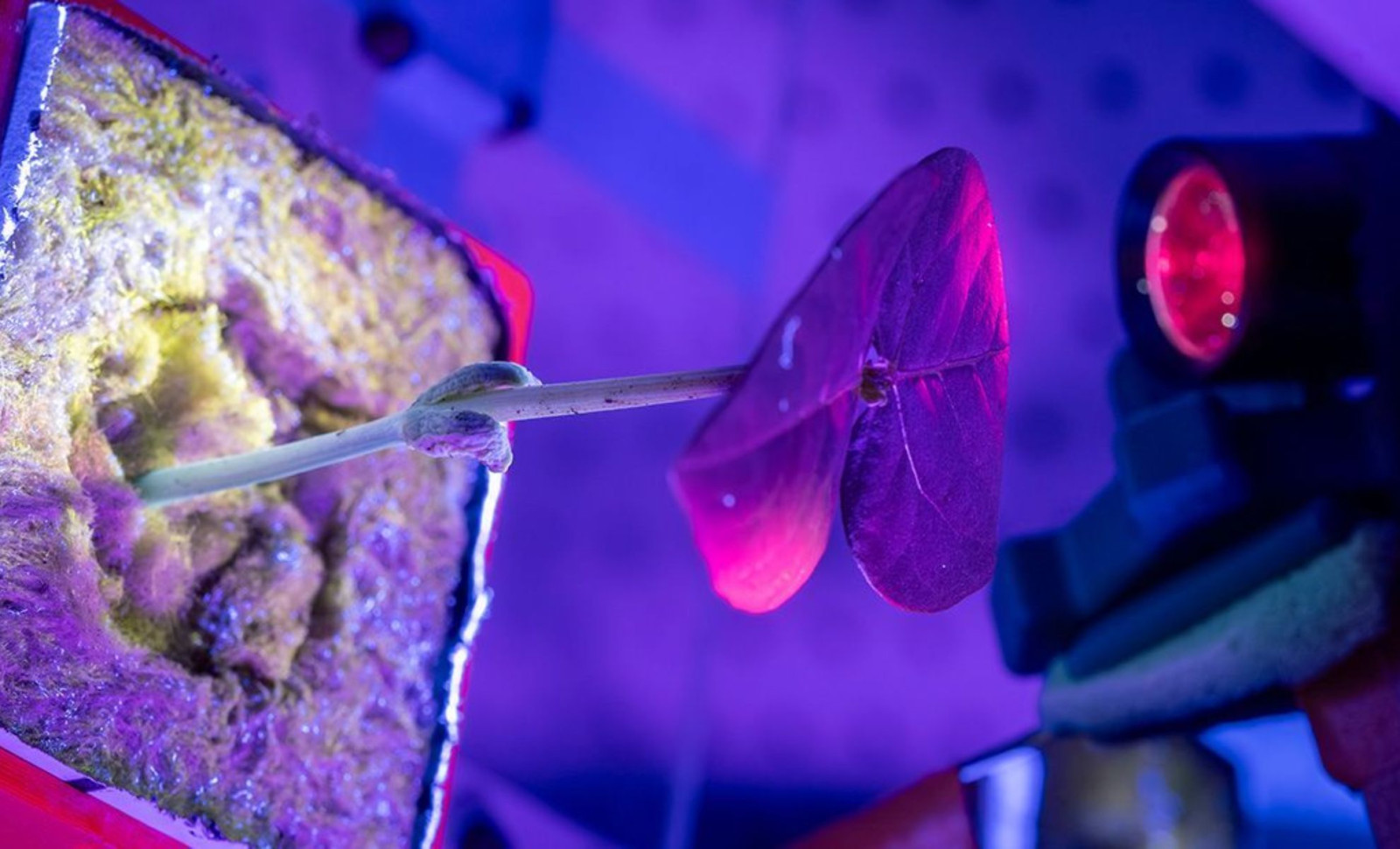
Astronauts destined for lunar or Martian missions could soon manufacture crucial medicines by cultivating plants on their spacecraft or extraterrestrial bases. Scientists at the University of California San Diego have pioneered a technique enabling extraction of pharmaceutical substances from living plants without harming them.
Providing adequate medication supplies has been a persistent issue for space mission planners. Unlike low Earth orbit flights, which benefit from frequent cargo deliveries, extended deep-space expeditions require meticulous management of every resource over several months or years.
Plants are already recognized as vital components of future space missions by absorbing carbon dioxide, generating oxygen, and providing supplementary nutrition. This new study reveals that plants might also serve as compact biofactories producing therapeutic agents with minimal inputs.

Exploring a Plant Virus with Therapeutic Potential
Published in npj Science of Plants, the investigation centers on the cowpea mosaic virus (CPMV), a virus naturally infecting legume species. While CPMV is commonly seen as a plant disease agent, UC San Diego researchers have focused for over ten years on its promising applications in cancer therapy.
Findings indicate that CPMV can activate the immune system to target cancer cells effectively. Encouraging preclinical trials in rodents and clinical studies in dogs with tumors underline its potential.
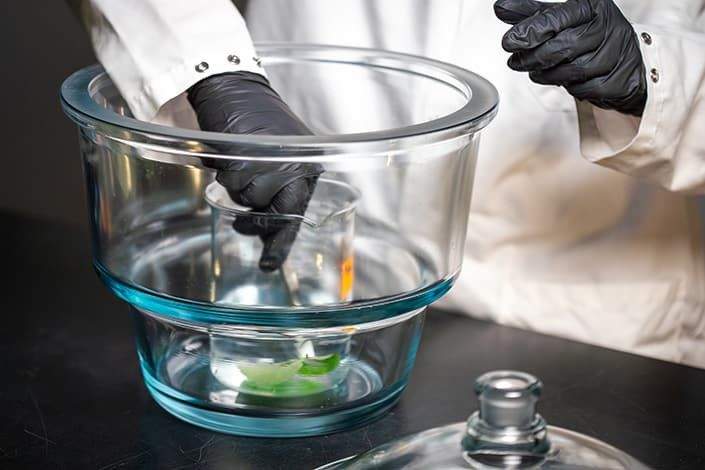
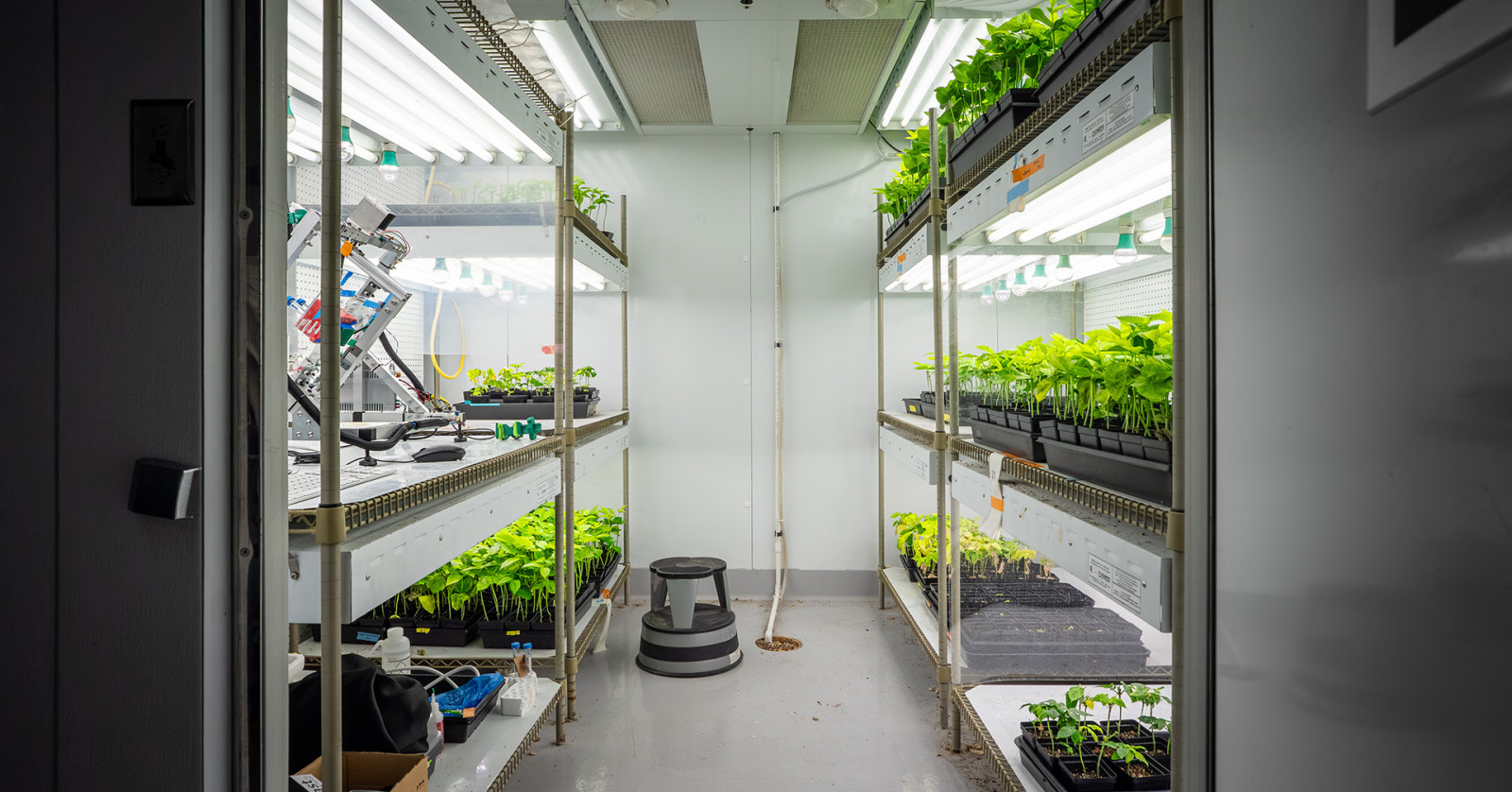
The team cultivated CPMV in Nicotiana benthamiana and black-eyed pea plants, both known for rapid biomass growth, making them excellent candidates for pharmaceutical bio-production.
While introducing the virus into plants was manageable, isolating it proved more complex. Traditional extraction involves harvesting and grinding leaves into a pulp, posing significant challenges for space use.
“You end up with something that looks like a smoothie, and you can imagine getting your product out of that smoothie is challenging,” said Patrick Opdensteinen, a postdoctoral researcher at UC San Diego and the study’s first author, in a statement released by the university.
He noted that the large-scale lab equipment required for this procedure is impractical for spacecraft environments.
A More Efficient Approach to Drug Harvesting
The scientists employed a method known as product secretion, which is widely used in bacterial and mammalian cell cultures to collect secreted substances. Their focus was on the plant's apoplast, a connected network outside the plasma membrane that can be accessed to retrieve viral particles.
This method involves dipping leaves in a buffer solution, then applying a vacuum to saturate the apoplast. The treated leaves are then placed in tubes and gently centrifuged to extract a liquid enriched with CPMV particles. Subsequent filtration removes plant material while preserving the virus.
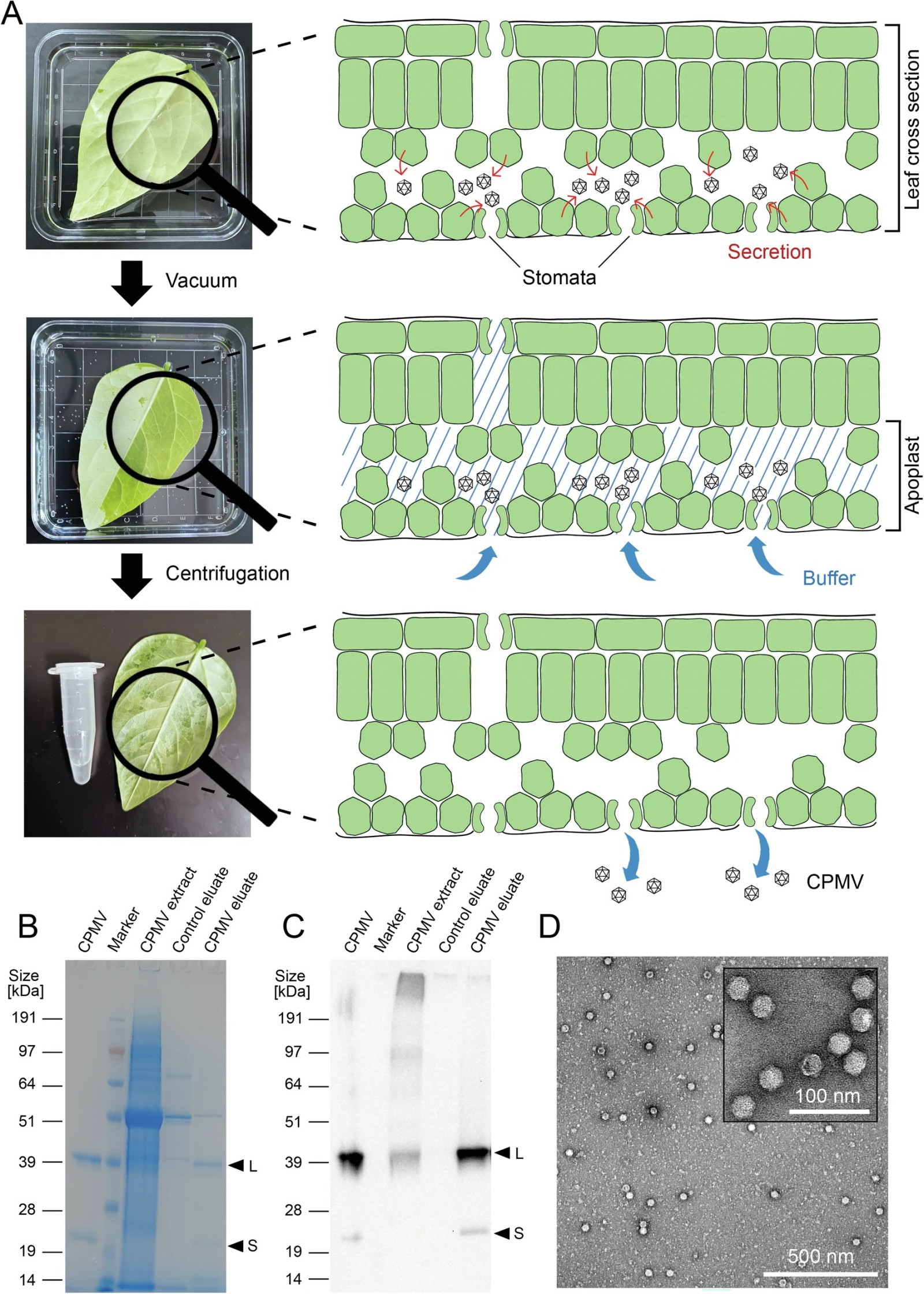
A major benefit is that the leaves are left unharmed, allowing the plants to continue growing and be used repeatedly instead of being discarded. The team demonstrated the scalability of this approach by collecting CPMV particles from over 50 plants in less than two hours, highlighting its capacity for rapid processing.
Simulating Space Conditions for Testing
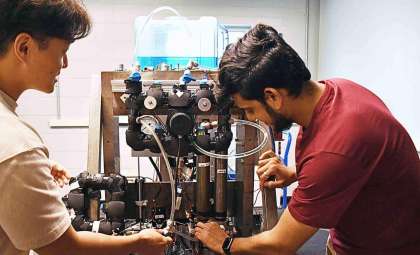
The researchers also examined their production method under space-like conditions. Partnering with Professor Maziar Ghazinejad and UC San Diego’s Mechanical and Aerospace Engineering department, they utilized a random positioning machine that rotates plants continually to mimic microgravity effects.
“Plants become more susceptible to disease when stressed, which is usually a disadvantage,” Opdensteinen said. “But since our product is derived from a plant virus, we can use that stress response to increase yields.”
This work tackles an important challenge identified in previous research aboard the International Space Station. Scientists have found that many drugs degrade faster in space, with over half losing effectiveness within three years. For Mars missions, where travel times range from six to nine months one-way, ensuring a steady supply of potent medicines is critical.
“With plants, you can grow complex therapeutic compounds using light, water and soil,” said Nicole Steinmetz, the Leo and Trude Szilard Chancellor’s Endowed Chair at UC San Diego’s Aiiso Yufeng Li Family Department of Chemical and Nano Engineering.
The team continues investigating how spaceflight conditions impact both plant development and drug production, aiming towards experiments in actual space missions.
- Categories:
- Science


0 comments
Sign in to Comment