
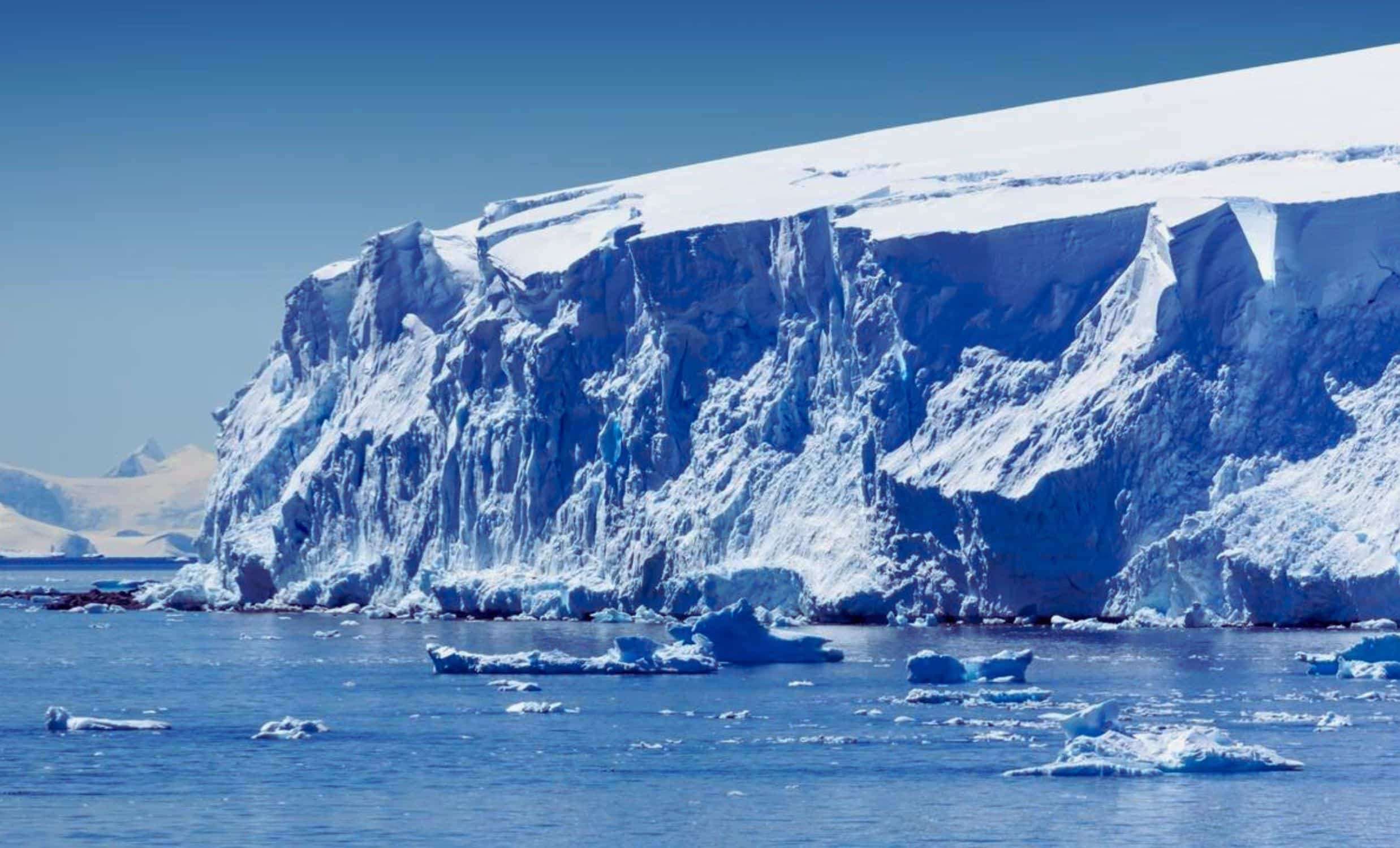
Researchers are developing a bold strategy to slow down the melting of Antarctica’s Thwaites Glacier, infamously known as the “Doomsday Glacier” due to its capacity to drastically increase global sea levels. The approach involves placing a colossal underwater barrier that would block warm ocean currents from eroding the glacier’s base. This cutting-edge geoengineering solution aims to prevent devastating coastal flooding, particularly threatening major metropolitan areas like New York and Miami along the US East Coast.
Threat Posed by the Doomsday Glacier to Coastal Regions Worldwide
As one of the most significant ice formations on Earth, the Thwaites Glacier’s accelerating melt rate, driven by climate change, risks causing a sea level rise of as much as 10 feet (3.05 meters) if destabilized. Scientists caution that if no action is taken, countless coastal communities could experience severe flooding, potentially forcing millions to relocate.
The recent proposal for intervention was led by the Climate Systems Engineering Initiative at the University of Chicago, highlighting the critical need for preventative measures to avoid irreversible damage.

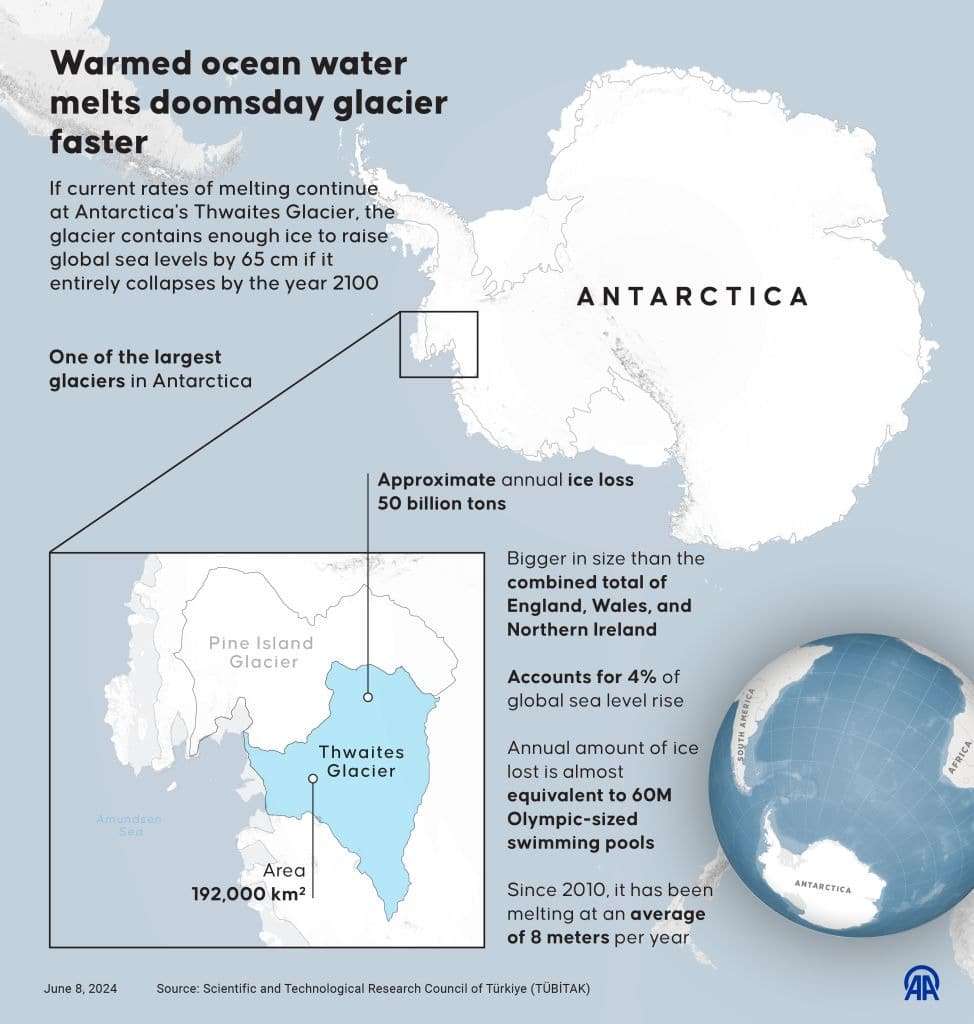
An Expensive and Complex Proposal with Potential Risks
Researchers suggest two main tactics to safeguard the glacier:
- Delivering seawater onto the glacier’s surface, which would then freeze in the cold Antarctic air, increasing ice thickness.
- Deploying an underwater curtain designed to block warm ocean currents from weakening the glacier’s foundations.
This ambitious approach involves considerable expenses and practical obstacles, including:
Experts Encourage Caution on Geoengineering Reliance
While underwater barriers are a promising idea, some climate scientists advise caution about treating geoengineering as a complete solution. Gernot Wagner from the Columbia Climate School describes these interventions as “painkillers” that relieve symptoms without tackling the fundamental causes of climate change.
Many experts maintain that cutting carbon emissions remains the most effective strategy for slowing glacier retreat. The Thwaites Glacier project demonstrates the extent of innovative responses under consideration due to intensifying climate threats, while underscoring the importance of aggressive emissions reductions.
The fate of the “Doomsday Glacier” remains unpredictable, but regardless of whether the curtain plan moves forward, this research highlights the monumental innovation needed to address the most urgent climate challenges.
- Categories:
- Science ,
- Climate change










0 comments
Sign in to Comment