
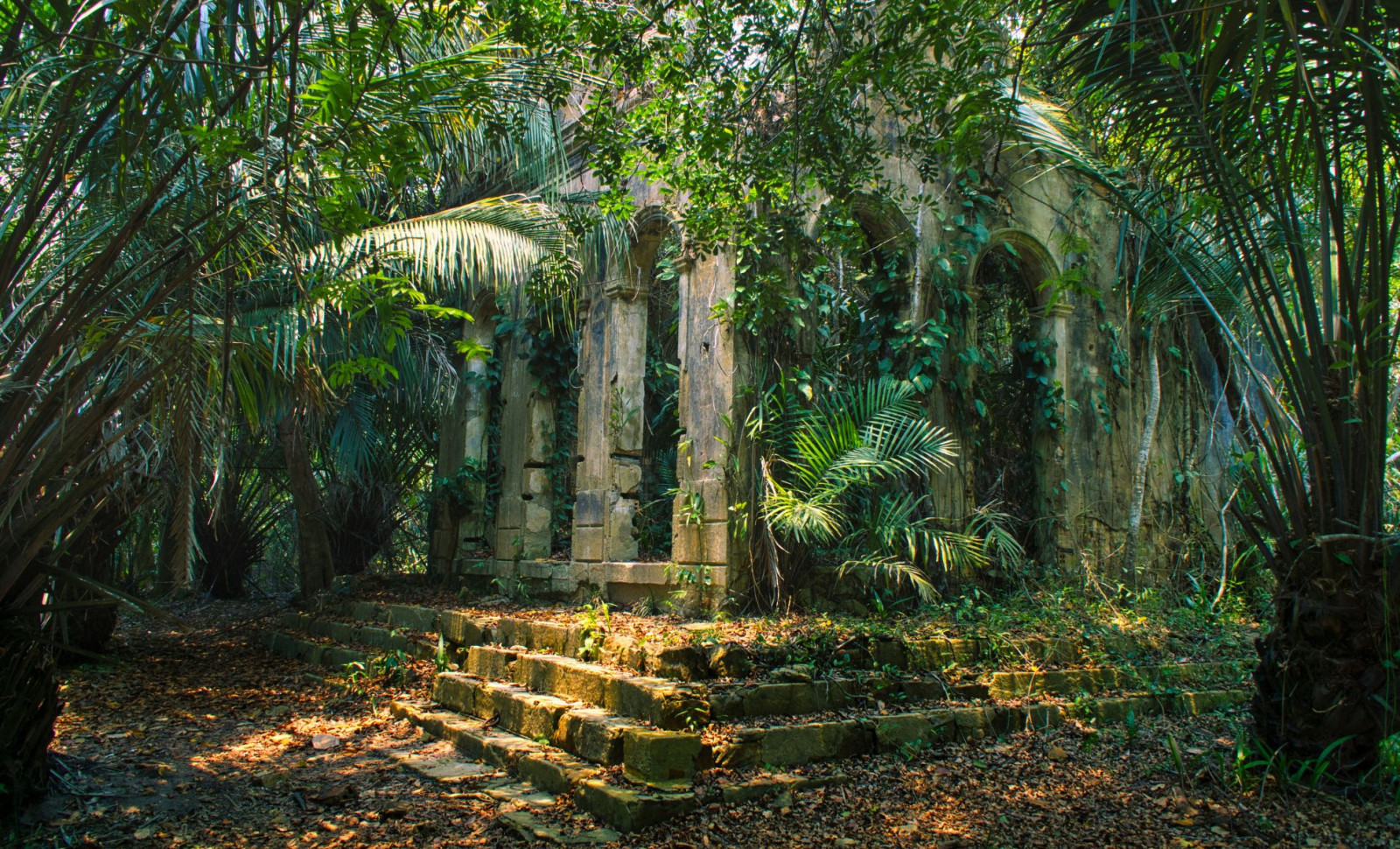
Deep within the Calakmul Biosphere Reserve of Mexico, archaeologists have brought to light a previously undiscovered Maya city. Called Minanbé, this exceptionally preserved urban complex lay hidden under dense jungle growth for over a millennium.
The international team, led by archaeologist Ivan Šprajc from the Slovenian Academy of Sciences and Arts, uncovered the site tucked away in the remote Campeche region. The absence of access roads and thick vegetation has shielded it from modern interference.
This revelation is the culmination of almost three decades of archaeological exploration in the Central Maya Lowlands. By integrating airborne LiDAR mapping with detailed ground investigations, and under approval from Mexico’s National Institute of Anthropology and History (INAH), the researchers mapped and recorded this ancient city.

Discovering a Submerged Metropolis via LiDAR
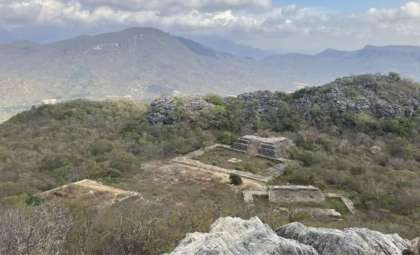
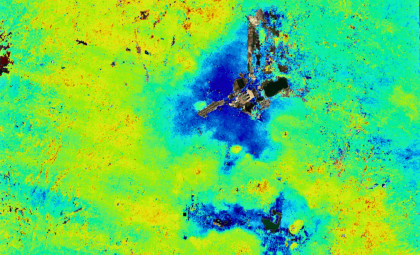
The survey targeted an area west of Chactún, a significant Maya site first detected by Ivan Šprajc’s expedition in 2013. Utilizing LiDAR scanning technology, the team identified architectural remains cloaked beneath the forest canopy, which led to the uncovering of a sprawling ancient city. To access the location, the scientists carved out a five-kilometer trail through jungle terrain before proceeding by vehicles and foot. On-site assessments revealed the city spans approximately 15 hectares.
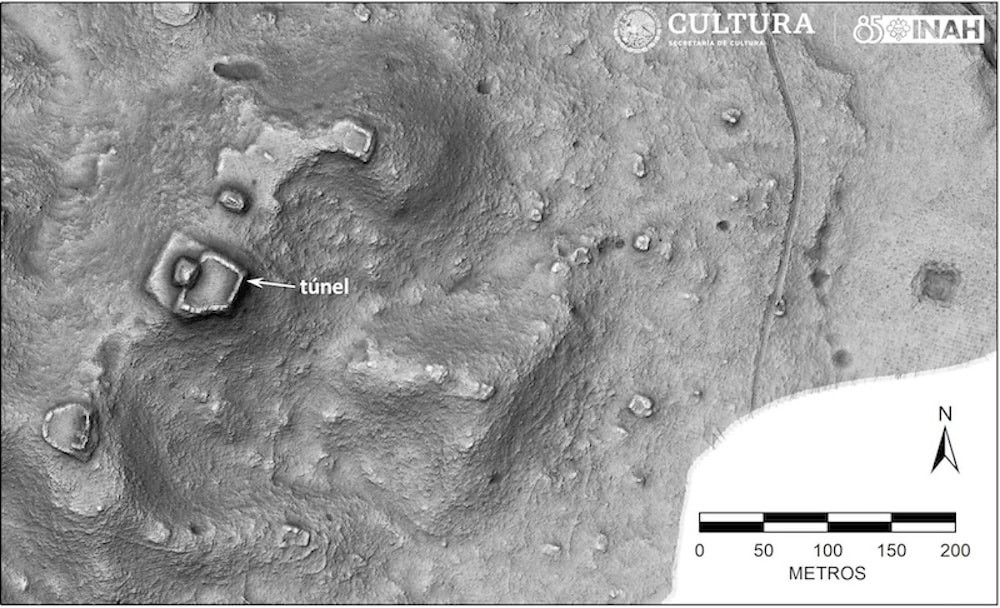
Within the city, there are identified plazas, ceremonial edifices, palatial structures, terraces, and an intricate water system featuring wetlands and engineered channels. The name Minanbé translates from Yucatec Maya as “there is no path,” symbolizing the site's isolated position. Šprajc expressed astonishment at how well-preserved the city was upon discovery.
“Compared with other places where we have conducted surveys, access here was much more difficult. However, in the last three years, this is the first site we have found completely intact, with no signs of looting. It was a major surprise.”
Ancient Structures Offer Insights into the Past
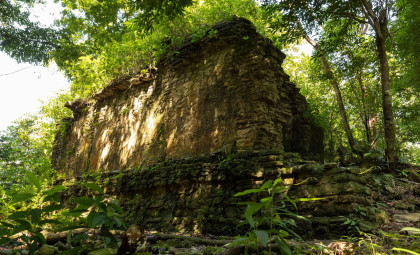
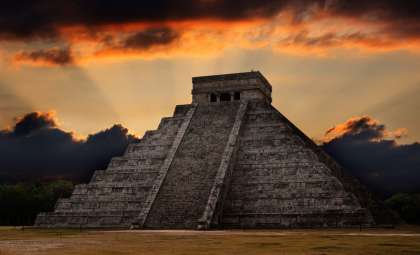
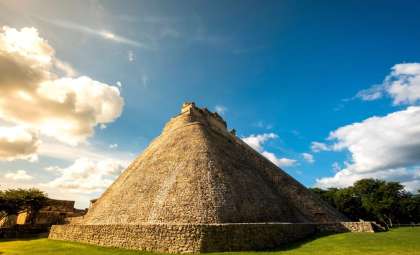
According to a release from Mexico’s National Institute of Anthropology and History, one prominent building is a pyramid-shaped temple towering more than 13 meters tall. Archaeologist Vitan Vujanović described elements indicative of the Río Bec style, including detailed stone craftsmanship, ornamental facade panels, steep stairways, and decorative top moldings.
This temple is linked to a carved stela, an association that Vujanović mentioned had not been observed in a comparably preserved context elsewhere.
“This is the first time I have recorded a temple that is relatively well-preserved and still associated with a stela bearing glyphs.”
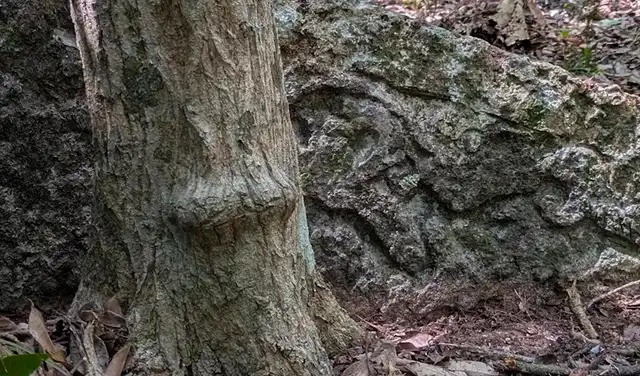
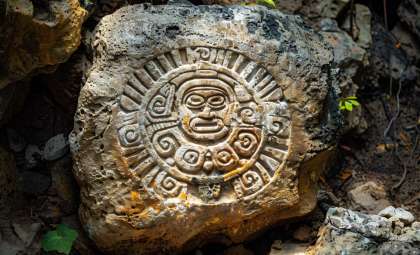
The excavation team cataloged 14 monuments, including intricately inscribed stelae and altars decorated with hieroglyphs and carved figures. Among them, Stela 1 vividly displays a decapitation scene where a figure wields a blade or axe over a captive.
Advanced photogrammetry was used to produce high-resolution 3D models of these monuments, allowing epigraphist Octavio Esparza Olguín to analyze deeply eroded inscriptions.
Illuminating Minanbé’s Historical Legacy
An inscription on Stela 1 includes the date 5 Ajaw, which corresponds to AD 849. This implies that some of the monuments were established during the Terminal Classic era, a time just prior to the abandonment of many Maya cities in the 10th century.
The archaeologists also uncovered multiple circular and one rectangular altar showing evidence of deliberate modifications performed in antiquity. Another artifact, called Monument 6, depicts a ruler adorned with a feathered headdress and ceremonial attire alongside hieroglyphic cartouches.
Esparza Olguín identified a partial Long Count date on Monument 6, potentially placing it in the late 7th century AD, which might make it the oldest dated artifact in the area.
Ongoing research is exploring if peoples from the northern Yucatán Peninsula migrated into this region during the Terminal Classic period and influenced the political transformations linked to Minanbé’s decline.
“Each new site helps us better understand the complexity of Maya civilisation,” he said. “At the same time, it opens new questions that will require further research to answer,” said Šprajc.
- Categories:
- News



0 comments
Sign in to Comment