

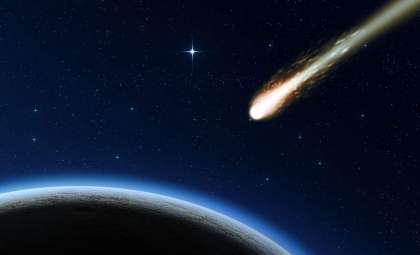
This December, skywatchers and astronomers alike are preparing for an extraordinary event. The interstellar comet 3I/ATLAS, a mysterious traveler from beyond our solar system, is expected to reach its closest point to Earth. This rare encounter not only promises an impressive spectacle but also offers researchers a unique chance to study planetary formation in remote star systems. Darryl Z. Seligman, Assistant Professor of Physics and Astronomy at Michigan State University, shares insights into why this event is so meaningful.
An Interstellar Journey: The Path of a Rare Visitor
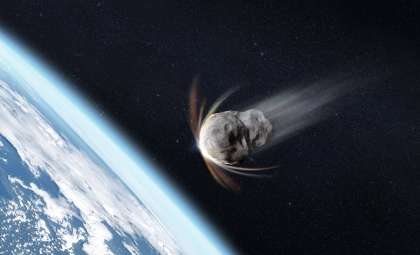
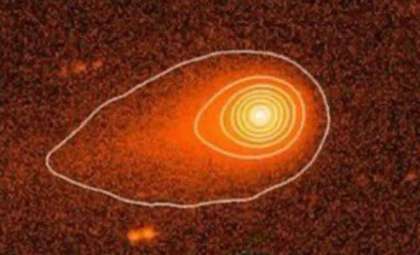
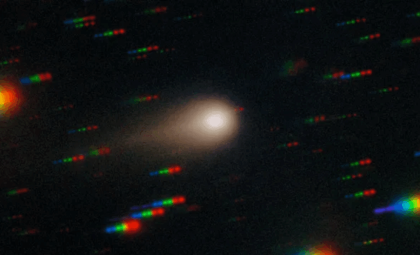
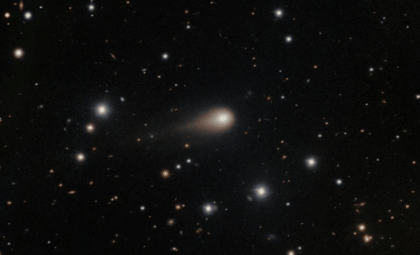
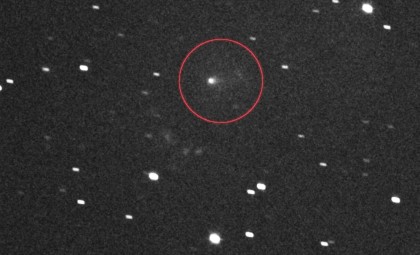
Comet 3I/ATLAS, identified earlier this year, belongs to a small group of objects originating outside our galaxy. Unlike typical solar system comets, this visitor follows a hyperbolic trajectory, meaning it won't return once it leaves. Its fleeting passage through our cosmic neighborhood gives astronomers a precious window to examine a body from another star system, with its closest approach on December 19 marking the nearest it will ever come to Earth.
According to Darryl Z. Seligman in a Space.com feature, this event is a rare chance to observe the comet’s physical traits, chemical composition, and activity. Comparing these details with those of solar system comets could unveil key differences or similarities in how planetary systems develop across the cosmos.

Scientific Importance of 3I/ATLAS’s Near Earth Passage
The approach of 3I/ATLAS holds significance beyond just being a visual highlight. It provides scientists their best shot at examining an interstellar comet firsthand, deepening understanding of planetary formation processes in star systems far removed from our own.
“On Dec. 19, just six days before Christmas, this erratic wanderer will be the closest to Earth that it will ever be over the lifetime of the entire universe. You’ll be able to get a glimpse of it up close with a small telescope or very powerful binoculars. This close approach also offers astronomers our best opportunity to look up close and learn about how planet formation in exoplanetary systems is similar or different to how it unfolded in our solar system,” said Seligman.
Gathering detailed observations during the comet's close pass could illuminate which types of ices are common in faraway planetary nurseries, advancing theories about early planetary growth elsewhere in the Milky Way. Watching this unique interstellar visitor may also help clarify the mechanisms behind comet formation beyond our solar neighborhood.
- Categories:
- News


0 comments
Sign in to Comment