
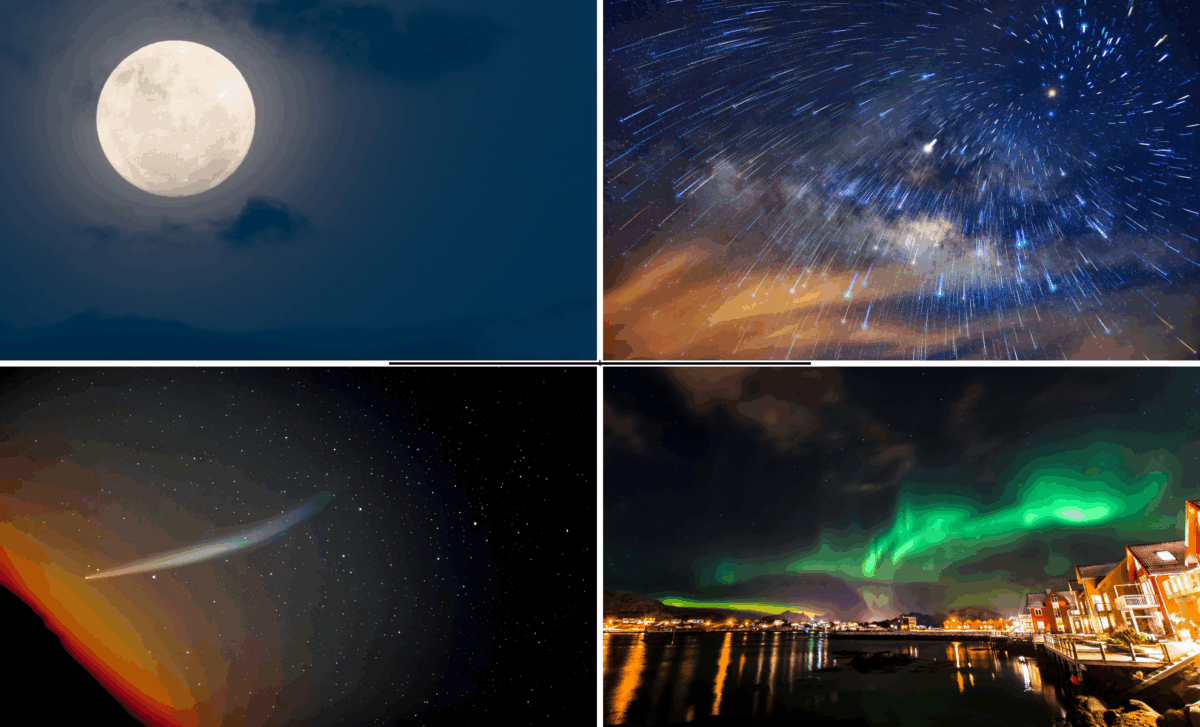
The night sky in December 2025 offers an exciting lineup of cosmic events for astronomy enthusiasts. From the striking appearance of a supermoon to the rare visit of an interstellar comet, this month is packed with memorable celestial displays. Whether you're a casual viewer or a dedicated stargazer, December's sky presents numerous opportunities to witness some of the year’s most stunning astronomical phenomena.
December 4: The Supermoon Phenomenon
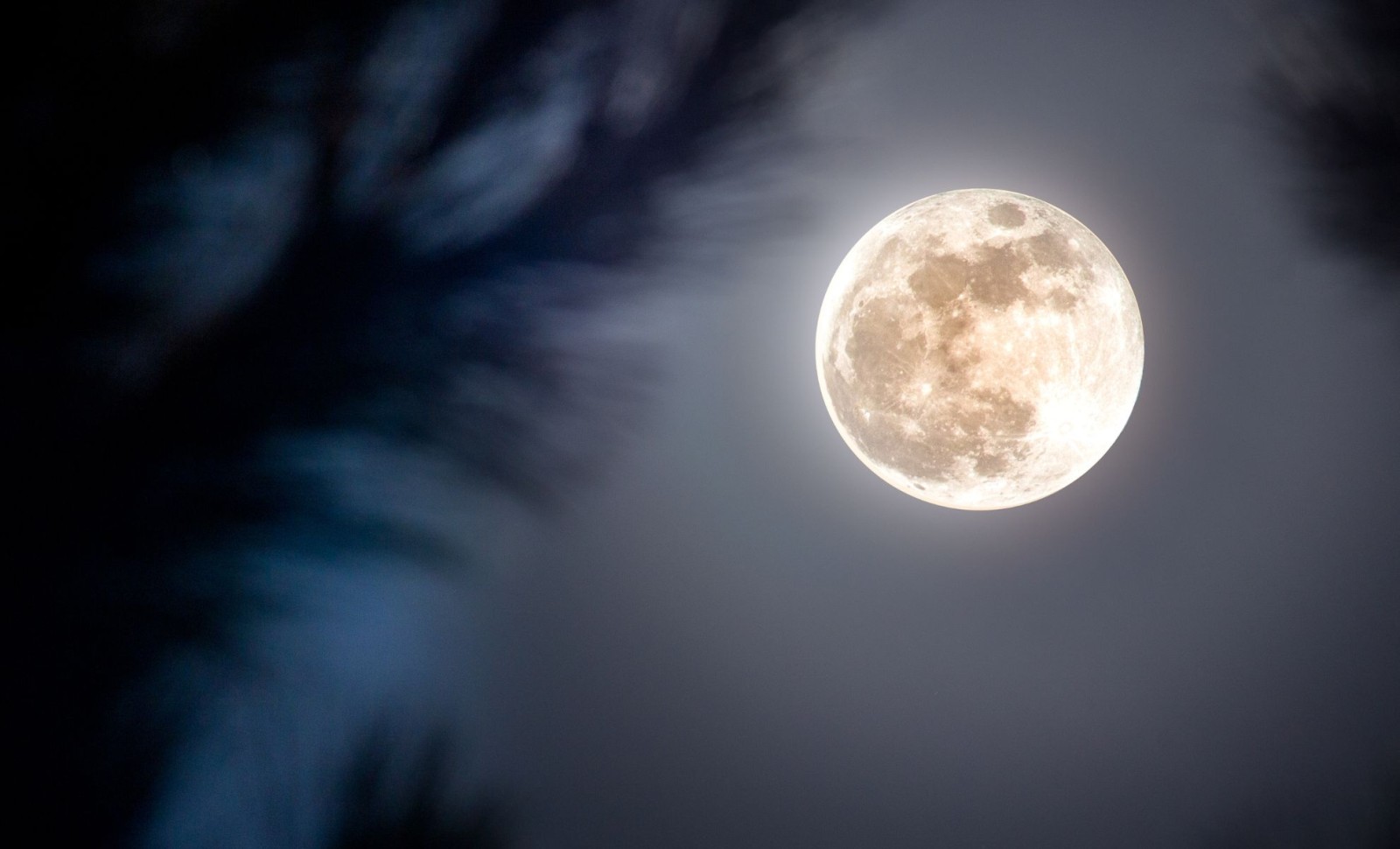
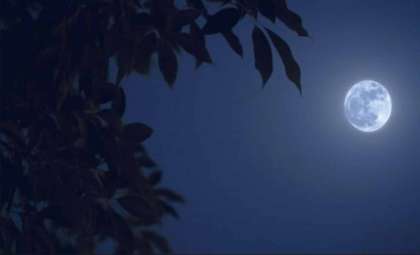
A highlight this month is the supermoon occurring on December 4. A supermoon happens when the full moon aligns with its closest point to Earth, known as perigee. On this night, the moon will look about 14% larger and shine approximately 30% brighter than usual. This spectacular sight often creates the illusion of a giant moon rising above the horizon, making it perfect for photographers aiming to capture breathtaking moonlit landscapes.
This event serves as a remarkable reminder of the ever-moving celestial bodies that surround us. As National Geographic highlights, this supermoon is especially significant as it marks the final one for the year.

December 7: Mercury’s Maximum Separation from the Sun
On December 7, Mercury will reach its greatest elongation, appearing at its furthest angle from the Sun early in the morning sky. Often difficult to spot because of its proximity to the Sun’s brightness, Mercury becomes more observable before dawn on this date. Look towards the eastern horizon about an hour before sunrise to catch a glimpse of the "swift planet." Venus will also be nearby, enhancing the beauty of the pre-dawn sky.
Clear, dark conditions are essential to enjoy this event fully. Amateur astronomers may find binoculars or small telescopes helpful to discern Mercury’s tiny but distinct disk. Viewing from light-pollution-free areas will significantly improve the experience.
Geminid Meteor Shower Peaks December 13-14
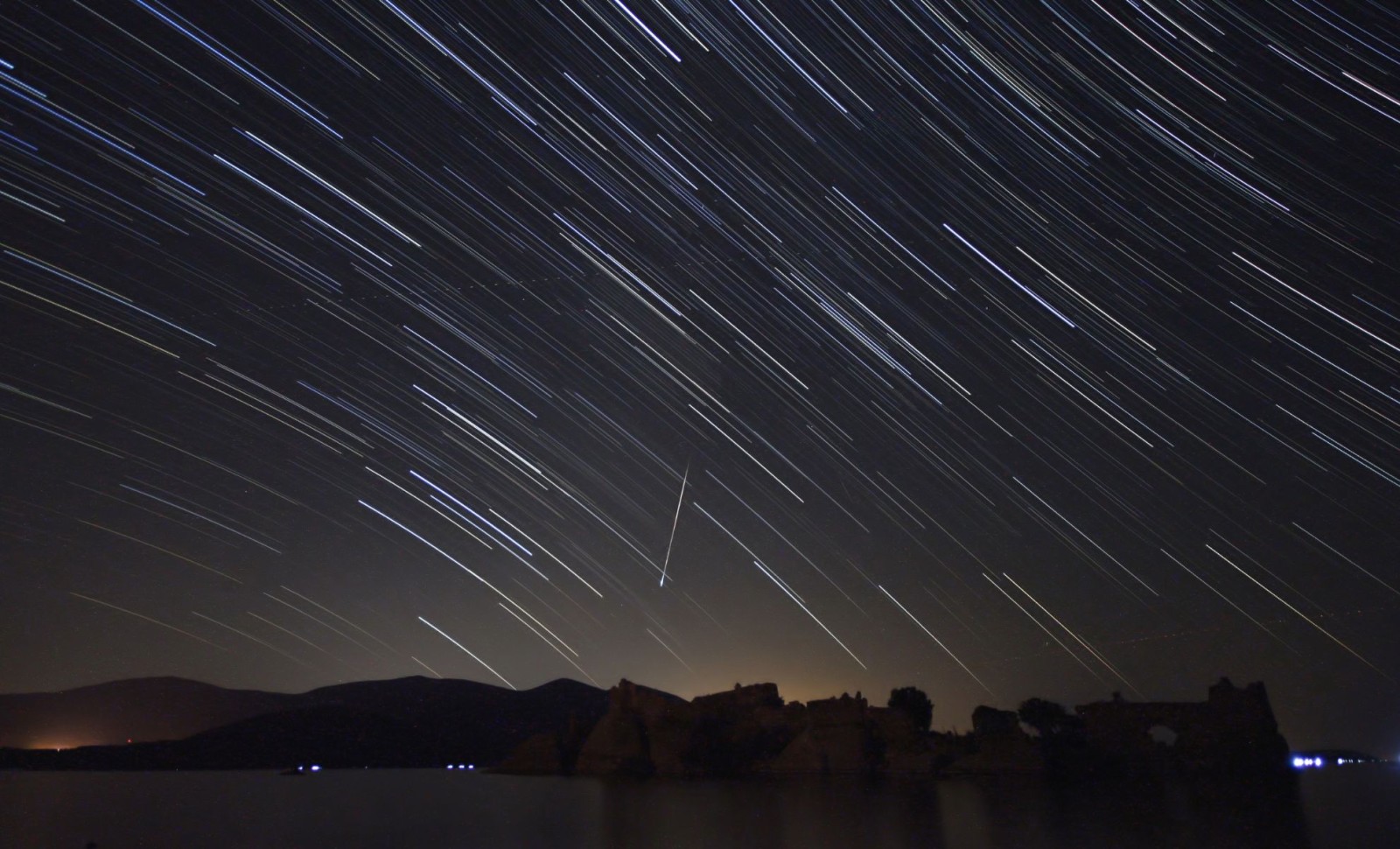
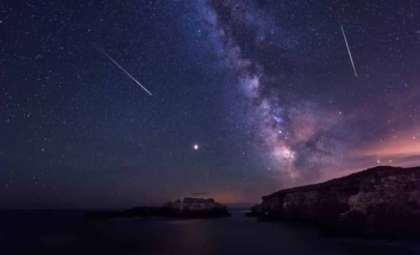
The Geminids will reach their peak between December 13 and 14, offering a spectacular meteor shower renowned for its abundance and reliability. Under ideal conditions, observers can witness 60 to 120 meteors per hour. This year’s viewing will be enhanced by a faint crescent moon, minimizing interference from moonlight. Many meteors exhibit a yellow tint and some produce brilliant fireballs that illuminate the nighttime sky.
These meteors tend to be longer-lasting than those in other showers, visible clearly without optical aids. To make the most of this phenomenon, find a spot away from city lights with an unobstructed view of the sky. If weather permits, this will be one of December’s most remarkable celestial shows.
December 15: Explore the Orion Nebula
On December 15, the Orion Nebula (Messier 42) becomes a must-see object. Located in the constellation Orion, this bright star-forming nebula is visible to the naked eye under optimal dark sky conditions. Through a telescope, it reveals stunning details of colorful gas and dust clouds, glowing in shades of blue, pink, and green.
Often called a “stellar nursery,” the Orion Nebula is where new stars are born, making it an important focus for those studying the life cycles of stars.
December 19: Comet 3I/ATLAS, an Interstellar Visitor
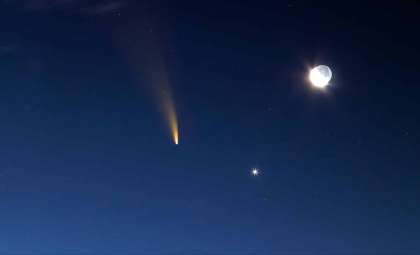
A standout event this month is the passage of Comet 3I/ATLAS, an exceptional interstellar comet that will come closest to Earth on December 19, at roughly 170 million miles away. Though too faint to be seen without aid, astronomers with telescopes can track this remarkable object.
This comet is especially captivating due to its extraterrestrial origin, thought to have journeyed across the galaxy for over seven billion years before entering our solar system. It is only the third interstellar object identified passing through our neighborhood. Positioned near the constellation Leo during its closest approach, it offers a rare and noteworthy observation opportunity.
December 21: Winter Solstice and Aurora Borealis Potential
The winter solstice occurs on December 21, bringing the shortest day of the year to the Northern Hemisphere. This day also increases the chances of witnessing vivid auroras in high-latitude regions due to ongoing solar activity. The current solar maximum cycle amplifies these geomagnetic disturbances, making locations like Scandinavia, Canada, and Alaska ideal for spotting the Northern Lights.
For the best viewing, seek dark, unobstructed areas well away from urban glow, preferably above the Arctic Circle. The aurora’s vibrant green and purple curtains can then be appreciated dancing across the night sky.
December 21-22: Ursid Meteor Shower and December 26: Saturn-Moon Conjunction
The Ursid meteor shower, peaking around December 21-22, is less intense than the Geminids but still offers a charming display with around 10 meteors per hour, viewable under the near-new moonlight. These meteors are generally faint and swift, best viewed just before dawn from dark locations with the radiant near Ursa Minor’s star Kochab.
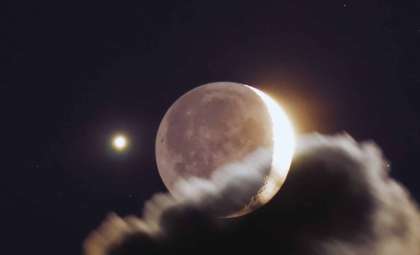
Following this, on December 26, a conjunction of Saturn and the waxing crescent moon will grace the southern sky after sunset. These two will appear within about four degrees of each other, presenting a striking vista where observers can admire Saturn’s iconic rings alongside the moon. This pairing remains visible until just before midnight, providing a memorable scene for skywatchers.
Late December: Jupiter Approaches Opposition
During the final week of December, Jupiter will grow brighter as it nears opposition, when it appears opposite the Sun in the sky. Though opposition is officially on January 10, the planet’s increasing visibility now means it’s accessible all night. Jupiter’s prominent cloud bands and its largest moons can be seen through binoculars or small telescopes, making late December a great time to enjoy this giant planet in detail.
- Categories:
- News


0 comments
Sign in to Comment