
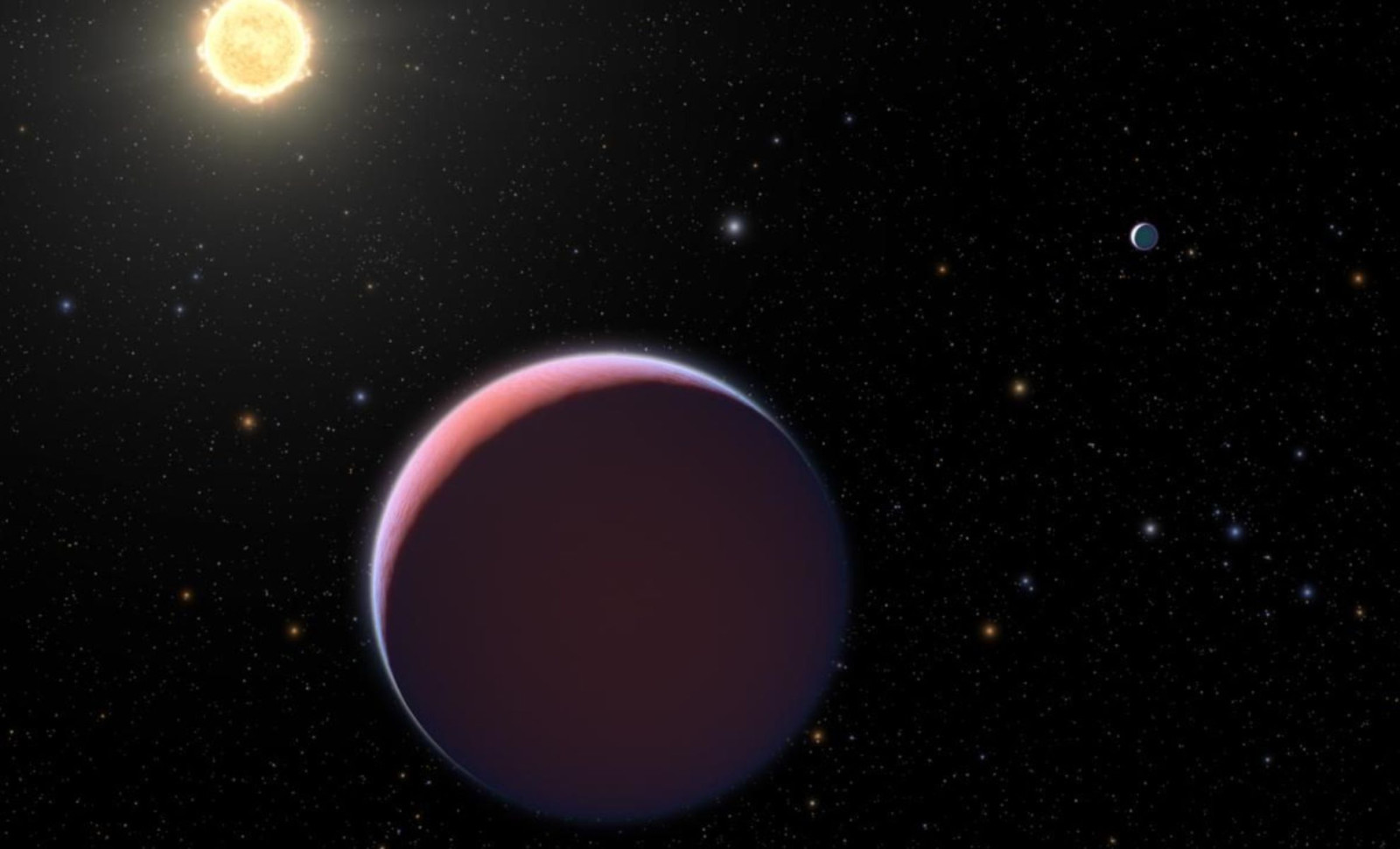
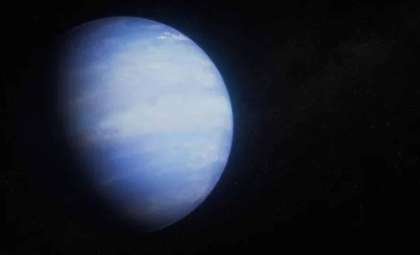
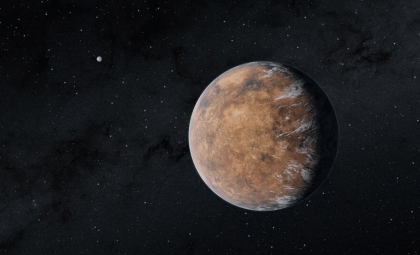
An intriguing exoplanet called Kepler-51d continues to baffle astronomers with its enigmatic nature. Recent measurements from the James Webb Space Telescope (JWST) show that this distant world is enveloped in an exceptionally dense haze, preventing researchers from detecting distinct atmospheric components. The findings, published in The Astronomical Journal, add complexity to the understanding of a unique category of planets termed super-puffs. Scientists note that Kepler-51d's structure, mass, and orbital characteristics defy current planetary formation theories.
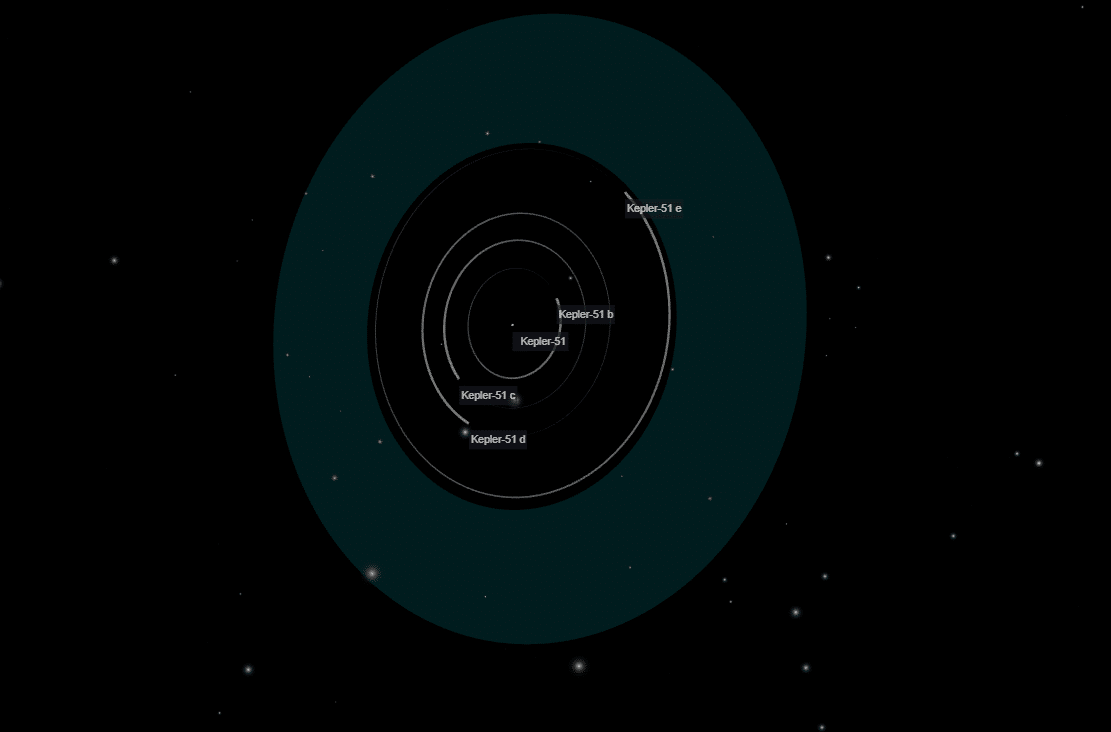
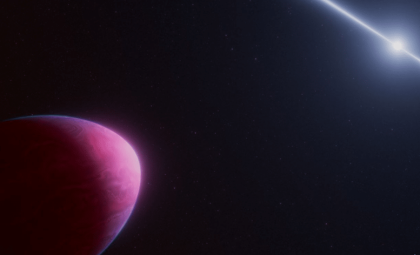
Situated roughly 2,615 light-years away in the constellation Cygnus, the Kepler-51 system includes four documented planets, with three classified as super-puffs—large planets with surprisingly low densities despite their Saturn-comparable sizes.
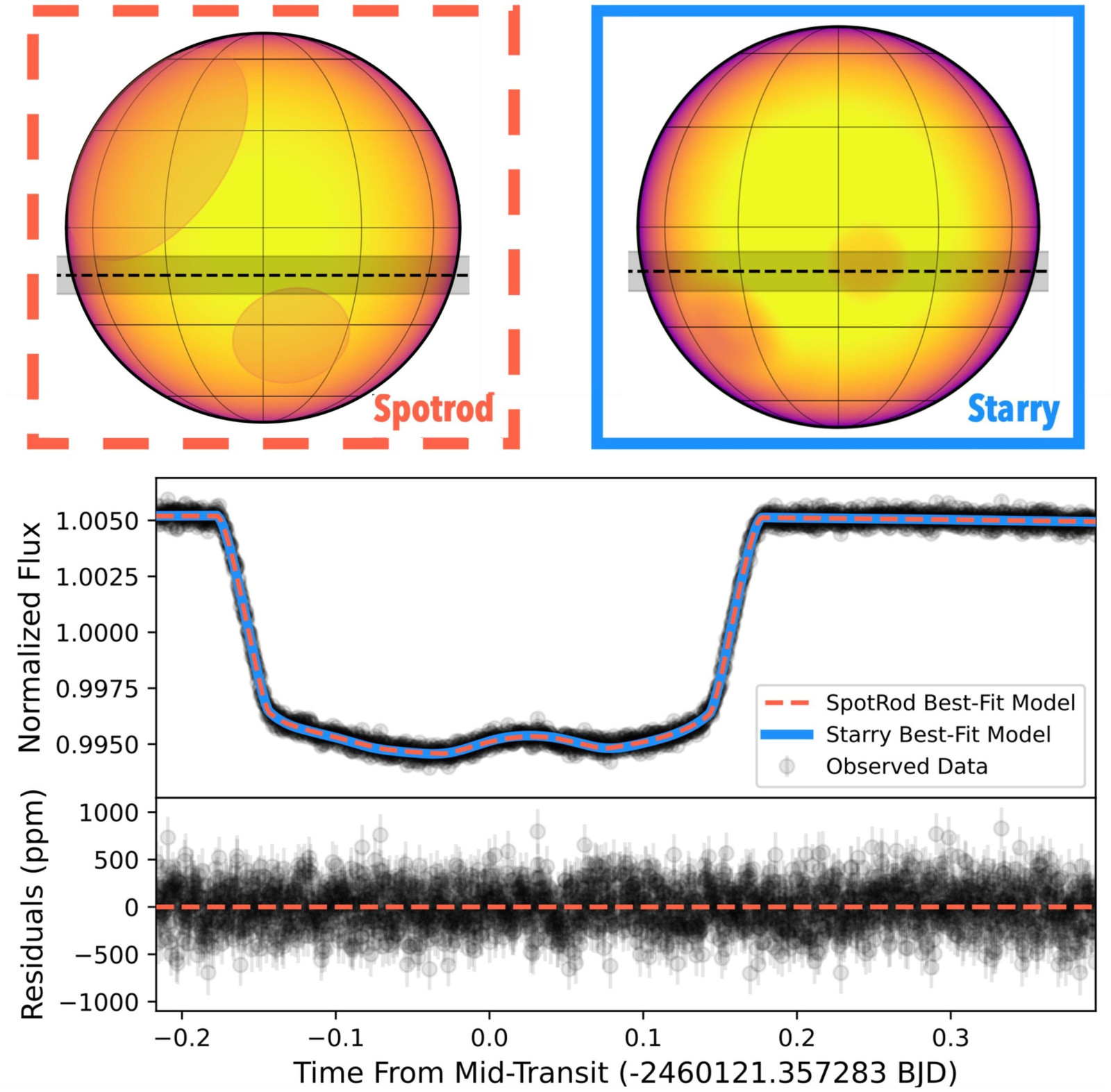
Researchers utilized transit spectroscopy to examine Kepler-51d. During these transits, starlight passing through the planet’s atmosphere can reveal specific chemical markers. However, the JWST data failed to show the anticipated atmospheric signatures.

A Gas Giant With an Exceptionally Low Density
Scientists describe Kepler-51d as having a remarkably fluffy density, likened to cotton candy. Penn State astronomers report it is the coolest and least dense among its neighboring planets in the system. According to Jessica Libby-Roberts, the lead author of the paper, the trio of inner planets possesses surprisingly small cores enveloped by extensive gaseous atmospheres.
Classic formation models predict that gas giants develop dense cores capable of attracting and holding vast gas layers. However, Kepler-51d appears to diverge from this established scenario.
Its orbital path presents an additional challenge. The planet orbits its star at a distance similar to Venus in our solar system. Libby-Roberts remarked:
“Kepler-51 is a relatively active star, and its stellar winds should easily blow away the gasses from this planet, though the extent of this mass-loss over Kepler-51d’s lifetime remains unknown.”
Researchers hypothesize that Kepler-51d might have formed farther from its star and gradually migrated inward, though many aspects of its formation and evolution remain uncertain.
“It’s possible that the planet formed further away and moved inward, but we are still left with a ton of questions about how this planet — and the other planets in this system — formed. What is it about this system that created these three really oddball planets, a combination of extremes that we haven’t seen anywhere else?” she added.
JWST Reveals Extensive Atmospheric Haze
Previous observations with the Hubble Space Telescope explored wavelengths between 1.1 and 1.7 microns. The use of JWST’s Near-Infrared Spectrograph extended these measurements up to 5 microns in the infrared spectrum. According to the recent study, this wider spectral coverage should have revealed evident atmospheric markers. Instead, the telescope detected no definitive molecular features.
“We think that the planet has such a thick haze layer that is absorbing the wavelengths of light we looked at, so we can’t actually see the features underneath,” said Suvrath Mahadevan, professor of astronomy and astrophysics at Penn State.
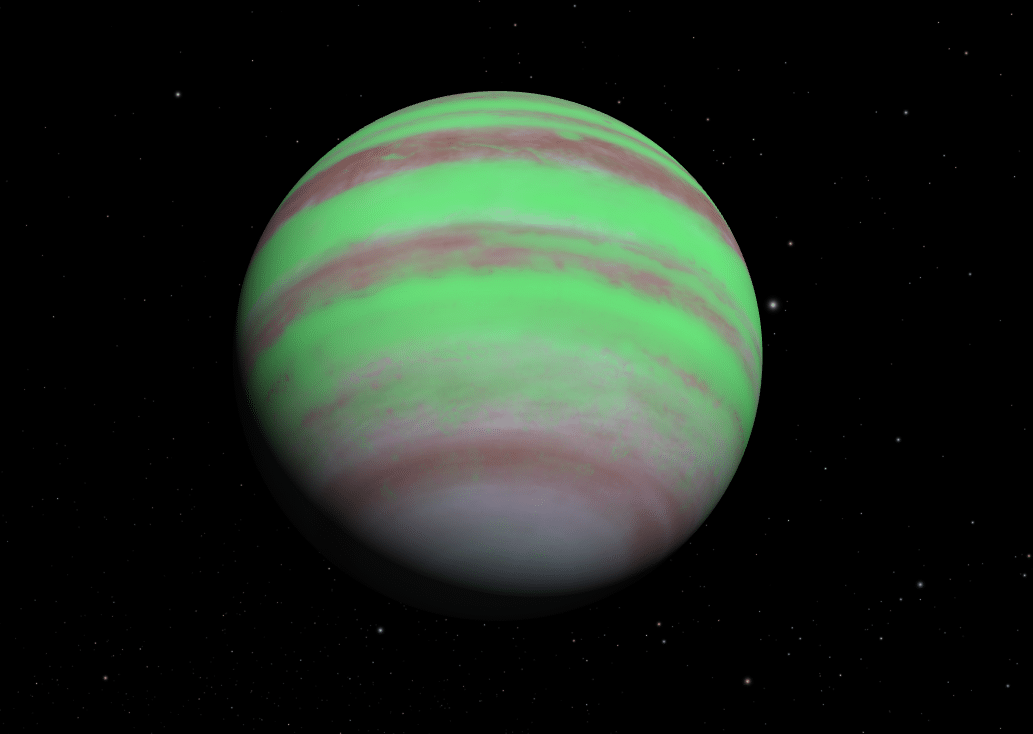
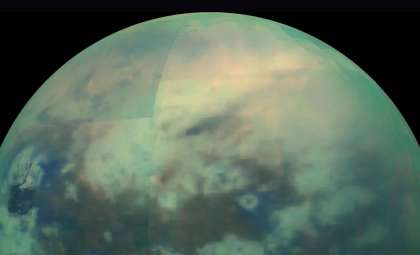
The atmospheric haze is compared to that of Titan, Saturn’s largest moon, known for its methane-rich hydrocarbon clouds. This surrounding haze around Kepler-51d could extend almost to Earth’s radius, ranking it among the most extensive hazes ever observed.
Could Planetary Rings Cause These Observations?
The team considered whether rings orbiting Kepler-51d might explain the strange data. Rings tilting at a specific angle could block extra starlight, causing the planet to seem larger and less dense during transits.
However, the study found that the data do not align perfectly with this rings hypothesis. A trend showing increased light obstruction at longer wavelengths better matches the presence of an atmospheric haze.
Libby-Roberts noted that for rings to account for these results, they would have to be fleeting, made of very particular materials, and angled precisely right. While this scenario isn't ruled out, the haze explanation remains the stronger fit for the observations.
Currently, the research team is examining data from another super-puff in the system, Kepler-51b, to see if it shows similar atmospheric properties.
- Categories:
- Astronomy








0 comments
Sign in to Comment