
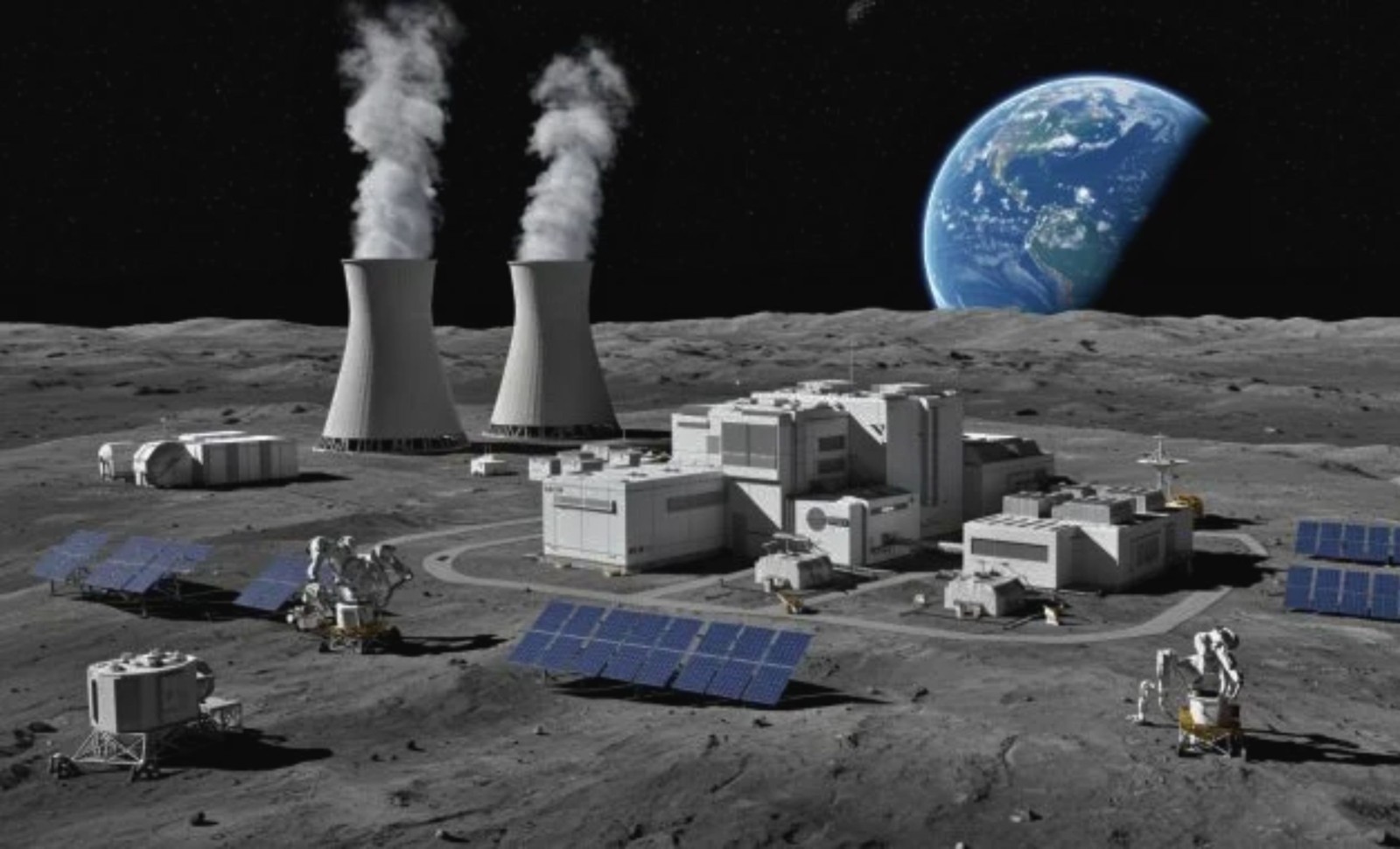
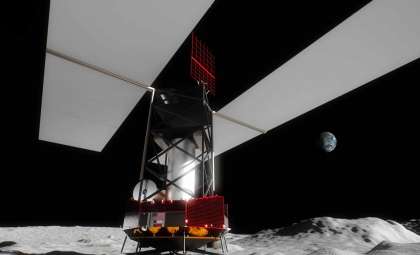
NASA is set to launch a nuclear power system on the lunar surface by 2030 to support its vision of establishing a long-term human habitat on the Moon. This pioneering effort is designed to solve the critical challenge of ensuring a dependable energy supply on the Moon, where solar panels alone fall short during the prolonged lunar night. This initiative unfolds amid a global push for lunar dominance, as nations like China and Russia develop their own plans for lunar bases and sustainable operations.
Driven by escalating international competition, the U.S. has accelerated its plan for a nuclear-powered energy source to underpin future lunar endeavors, including the Artemis missions aimed at returning astronauts to Earth’s satellite.
Ensuring Continuous Energy Supply Amid Lunar Extremes
Power generation remains one of the most pressing obstacles for sustaining a permanent lunar outpost. The Moon experiences a day-night cycle lasting roughly 28 Earth days, with nearly two weeks of constant daylight followed by roughly two weeks of darkness. This cycle severely limits solar energy reliability for continuous operation. As highlighted by Dr. Sungwoo Lim, senior lecturer specializing in space applications at the University of Surrey:

“Building even a modest lunar habitat to accommodate a small crew would demand megawatt-scale power generation. Solar arrays and batteries alone cannot reliably meet those demands.”
Given the limitations of solar panels, experts advocate nuclear power as the only consistent option for fulfilling the Moon’s energy demands. NASA’s design calls for a compact reactor capable of delivering no less than 100 kilowatts of power. Although smaller than Earth-based wind turbines, which typically produce 2 to 3 megawatts, this nuclear power plant would offer a stable and continuous energy flow, imperative for sustained lunar missions.
International Competition Intensifies Lunar Power Development
The competition to secure a foothold on the Moon continues to escalate, as NASA faces challenges from China and Russia. Reports by the BBC reveal both nations are also advancing plans to establish nuclear reactors on the lunar surface by 2035. U.S. space officials, including acting NASA chief Sean Duffy, warn that these countries may create exclusive “keep-out zones” around their lunar facilities, hindering multinational efforts and scientific collaboration.
While some scientists like Dr. Simeon Barber, planetary science expert at the Open University, view this rivalry as a potential catalyst for technological progress, there is concern that nationalistic competition could overshadow shared scientific objectives. Dr. Barber observes:
“It seems that we’re going back into the old first space race days of competition, which, from a scientific perspective, is a little bit disappointing and concerning.”
Overcoming the Challenges of Lunar Nuclear Power
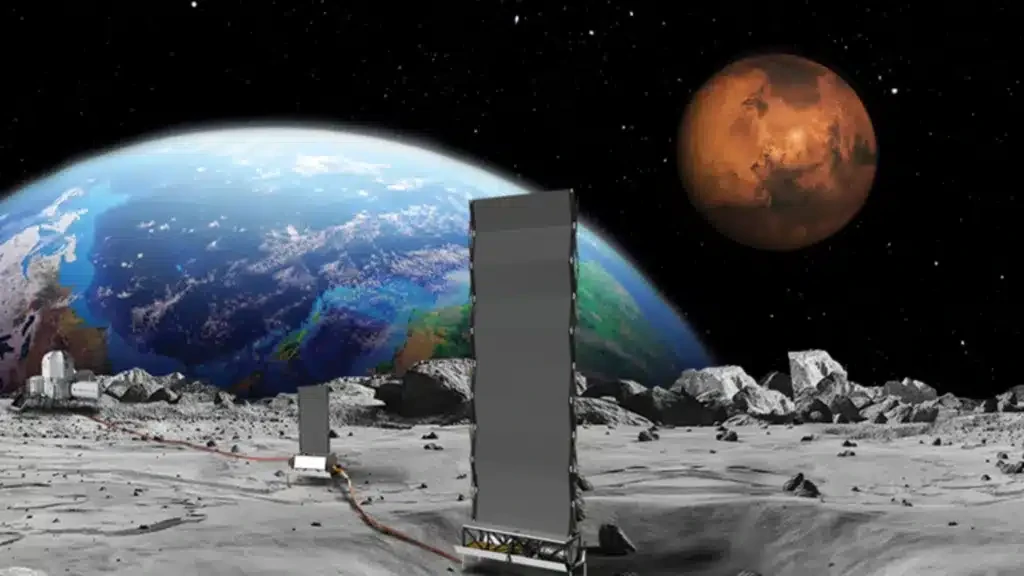
Transporting radioactive materials into orbit carries inherent risks, particularly concerning safety protocols during launch and transit. According to Dr. Simeon Barber, while stringent licensing is required, launching such materials is achievable and current technologies are advancing to support this. However, the complicated and costly nature of operating a nuclear reactor on the Moon remains a significant hurdle.
“If you build a nuclear reactor or any kind of base on the moon, you can then start claiming that you have a safety zone around it, because you have equipment there.”
Beyond launch challenges, NASA faces the task of assembling the reactor infrastructure on the lunar surface. Although the Artemis program, targeting human Moon missions by 2027, has seen forward momentum, budget restrictions and delays cast doubt on the timeframe. Without a robust transportation and deployment plan, the nuclear reactor’s deployment risks remaining an unrealized vision.
- Categories:
- Space






0 comments
Sign in to Comment