
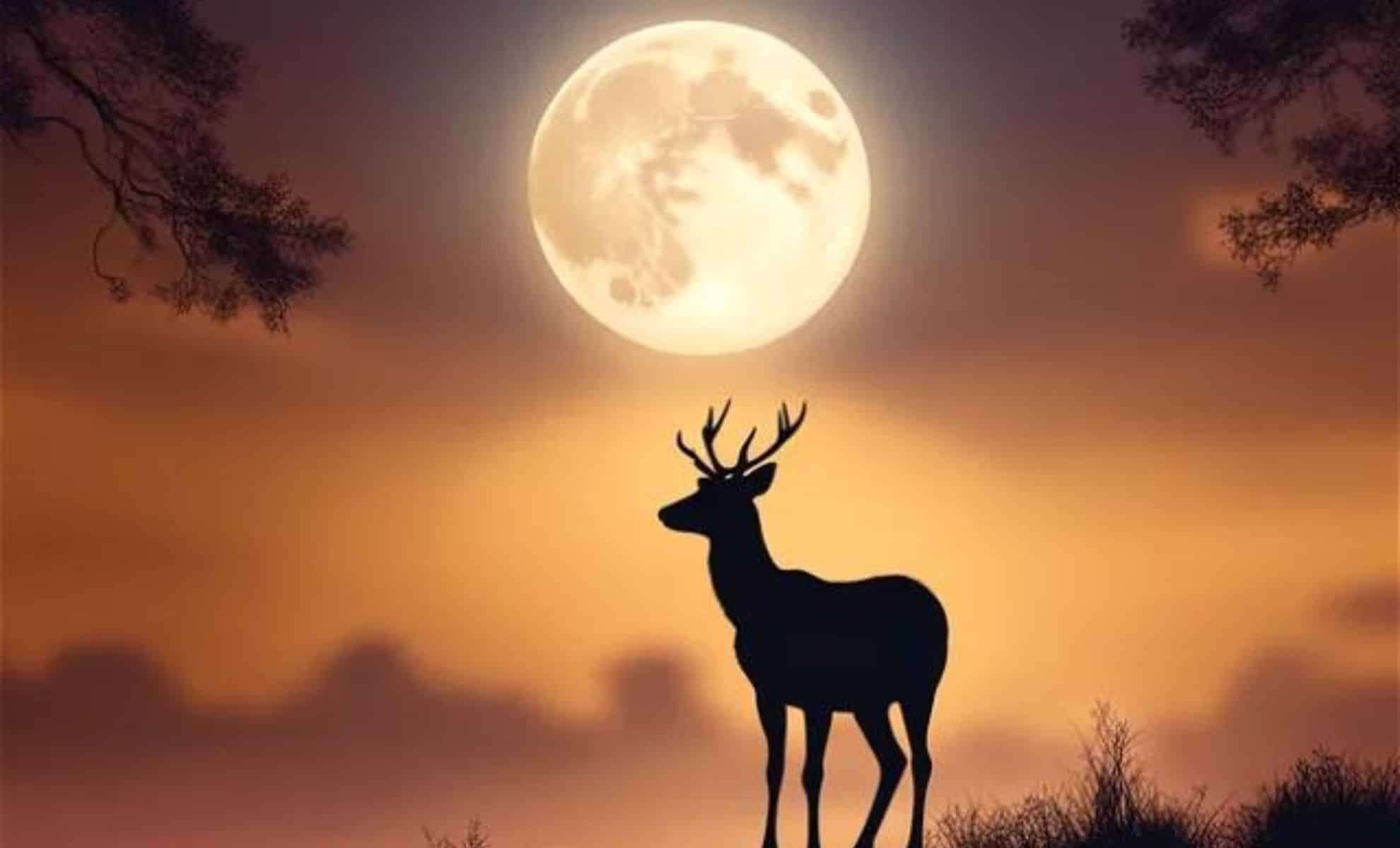
Early Sunday morning will showcase July’s full buck moon, presenting a perfect chance for observers to relish the night sky amidst summer warmth.
The latter part of July is known as the peak heat period across most of the continental U.S., with temperatures typically reaching their highest from mid to late July, as reported by the National Oceanic and Atmospheric Administration.
This pleasant warmth encourages many to experience the celestial event comfortably, free from the chill of cooler seasons.

When and Where to See the Buck Moon
The buck moon will peak at 6:17 a.m. EDT on Sunday, July 21. Even though the moon will be below the horizon at that moment, its nearly full appearance will be visible on both Saturday and Sunday nights, offering extended viewing options.
The weekend timing allows enthusiasts to arrange group viewings or enjoy solo observations without weekday interruptions.
On clear evenings, this luminous full moon can create a breathtaking scene against the backdrop of a summer night.
Understanding the ‘Buck Moon’ Name
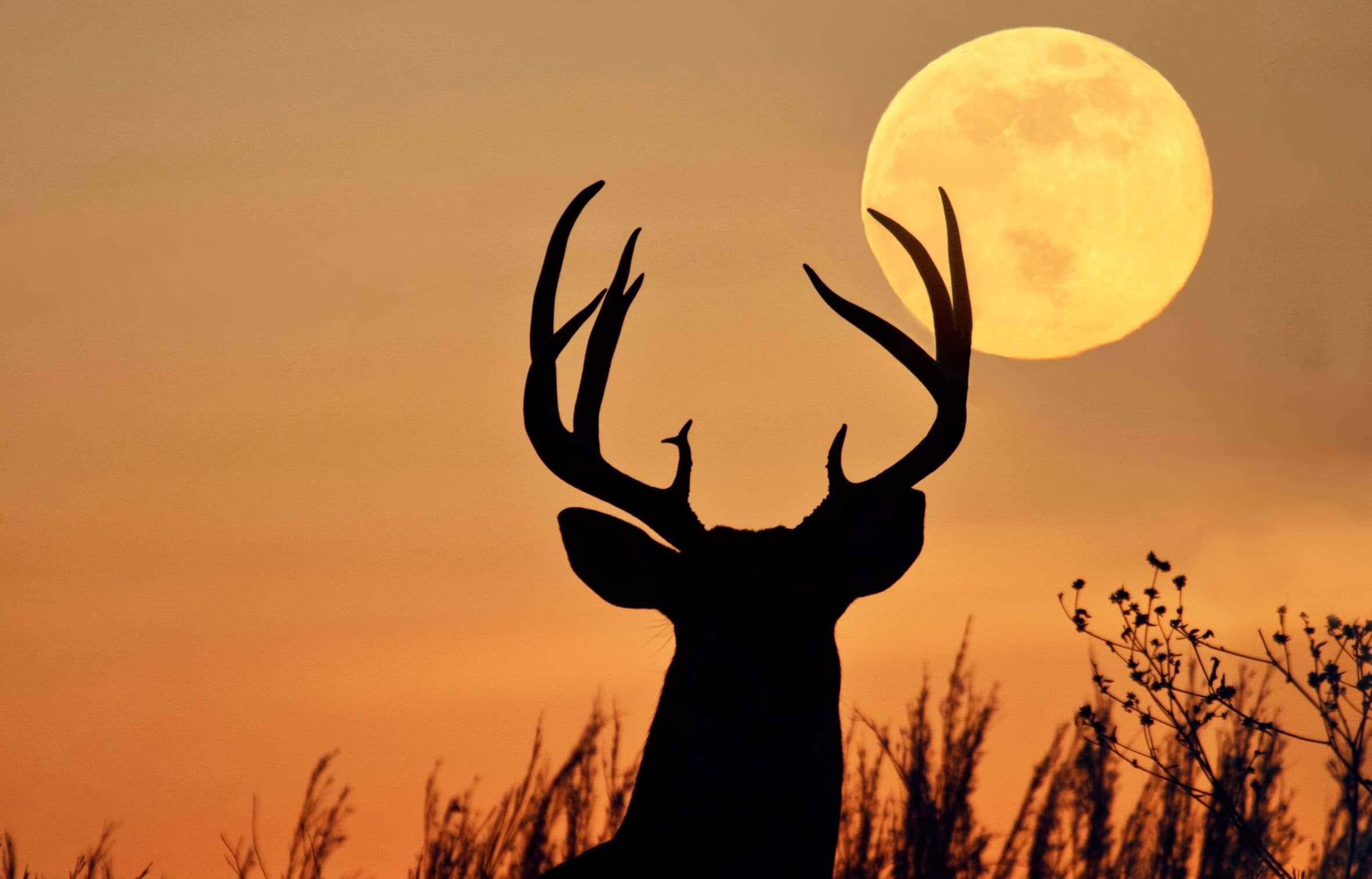
The phrase “buck moon” comes from the time of year when male deer, known as bucks, have freshly grown antlers replacing those shed earlier in spring.
This phase is an important stage in the deer’s life cycle and held significance for many Native American communities in their cultural stories and seasonal practices.
The Old Farmer’s Almanac details, “Bucks annually shed and regrow their antlers, which tend to become larger and more impressive with each passing year.” This natural cycle has been closely observed across cultures, inspiring the moon’s July nickname.
The Legacy Behind Moon Names
The term buck moon reflects a rich heritage spanning Native American, Colonial American, and European traditions, where moon names often mirrored seasonal natural events.
For thousands of years, indigenous peoples and early settlers named months based on environmental signs. These monikers were practical and memorable, rooted in observations of the changing landscape.
Such customs offer insight into how closely human lives were linked to ecological rhythms, particularly in farming and hunting cycles tied to the seasons.
Other Names for July’s Full Moon
Besides the buck moon, July’s full lunar display has carried multiple titles reflecting varied cultural interpretations and natural phenomena. The “thunder moon” refers to summer’s frequent storms, while the “hay moon” is connected to the traditional hay harvesting period.
Experts like NASA’s Gordon Johnston and Earthsky.com also note names including the berry moon, halfway summer moon, and salmon moon. Each title reveals stories of seasonal significance and showcases diverse ways communities have related to the lunar cycle and their environment.
Looking Ahead: August’s Sturgeon Supermoon
Coming next month, the full moon known as the sturgeon moon will be the first of four supermoons in 2024. A supermoon occurs when the lunar orbit brings the moon closer to Earth, making it appear roughly 7% bigger and 15% brighter than usual.
This spectacular event offers skywatchers a rare chance to admire the moon in exceptional detail and brightness, highlighting the dynamic interplay between our planet and its satellite.
The sturgeon moon, named after the notable fish caught during August, continues the tradition of associating moon names with seasonal wildlife and activities. This supermoon promises to be a memorable highlight for astronomy enthusiasts this year.
- Categories:
- Astronomy ,
- News








0 comments
Sign in to Comment