

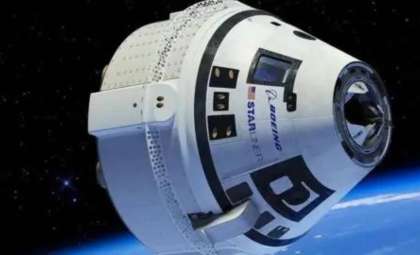
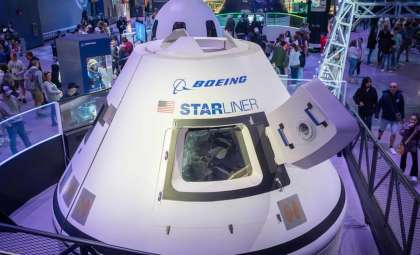
NASA and Boeing have confirmed a further postponement in the return of the Starliner spacecraft and its two astronauts from the International Space Station (ISS).
This latest setback adds to a series of challenges encountered during the mission, which supports NASA’s Commercial Crew Program dedicated to ensuring dependable crew transport to and from the ISS.
Starliner Mission Extended at ISS Due to Ongoing Technical Challenges
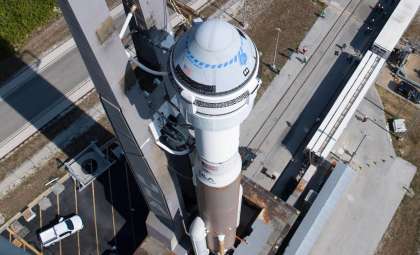
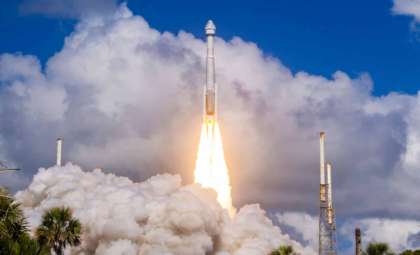
The Starliner capsule, launched on June 5 carrying astronauts Butch Wilmore and Suni Williams to the ISS, has encountered several technical issues, including thruster malfunctions and helium system leaks. These complications have resulted in repeated delays to the spacecraft’s return.

The initial landing was slated for June 14, then shifted to June 22 owing to technical setbacks. An additional delay moved it to June 26. Most recently, NASA has extended the crew’s stay on the ISS until at least July 2. These continued postponements underline the complexity of ensuring the safety and reliability of the mission.
Issues With the Propulsion System
Throughout its journey, the Starliner encountered serious technical hurdles. Five thrusters unexpectedly ceased operation, and multiple helium leaks emerged, impacting critical maneuvering functions essential for docking and reentry.
These propulsion problems led NASA to postpone the return flight to allow mission specialists time to analyze system performance. “We are carefully assessing the data following our established procedures,” explained Steve Stich, manager of NASA’s Commercial Crew Program. “Our decisions are based on managing the minor helium leaks and thruster efficiency according to the data.”
Understanding the Helium Leak Complications
Helium leaks in the Starliner spacecraft’s system have proven a major concern. Helium pressurizes the fuel tanks to guarantee proper propellant flow to the engines. Even small leaks can cause pressure drops, potentially compromising spacecraft control and crew safety during reentry.
Mission engineers identified multiple minor helium leaks that required in-depth troubleshooting and analysis. These leaks demanded extensive review to maintain spacecraft functionality and ensure crew safety. The decision to delay the return manifests a cautious approach favoring astronaut well-being and vehicle integrity.
Adjustments To Mission Timeline
Besides tackling technical issues, the postponement accommodates planned spacewalks on July 2. This scheduling guarantees that the Starliner remains securely docked to the ISS while specialists address the spacecraft’s challenges. These extravehicular activities are vital for ongoing ISS maintenance and showcase the complexity of managing multiple operations concurrently.
Despite the delays, Stich reassured that the spacecraft is secure and ready to bring the crew back. “We currently have no indications that Starliner won’t safely return Butch and Suni,” he said. Such assurance stems from comprehensive testing and evaluations by both NASA and Boeing.
Mission Feedback and Looking Ahead
The astronauts aboard have expressed largely positive impressions of the Starliner spacecraft. Butch Wilmore and Suni Williams report that the spacecraft’s comfort and systems are functioning well. Mark Nappi, vice president and program lead for Boeing’s Commercial Crew Program, highlighted the mission’s importance for upcoming flights. “Every insight we gain from this Crew Flight Test strengthens future crewed missions,” Nappi noted.
The extended Starliner stay at the ISS is critical to identifying and resolving the current problems. As NASA and Boeing work through these technical challenges, the findings will substantially improve the security and success of future missions.
This cooperative endeavor reflects the dedication to advancing human space exploration by ensuring all systems are rigorously vetted before the crew’s safe return to Earth.





0 comments
Sign in to Comment