
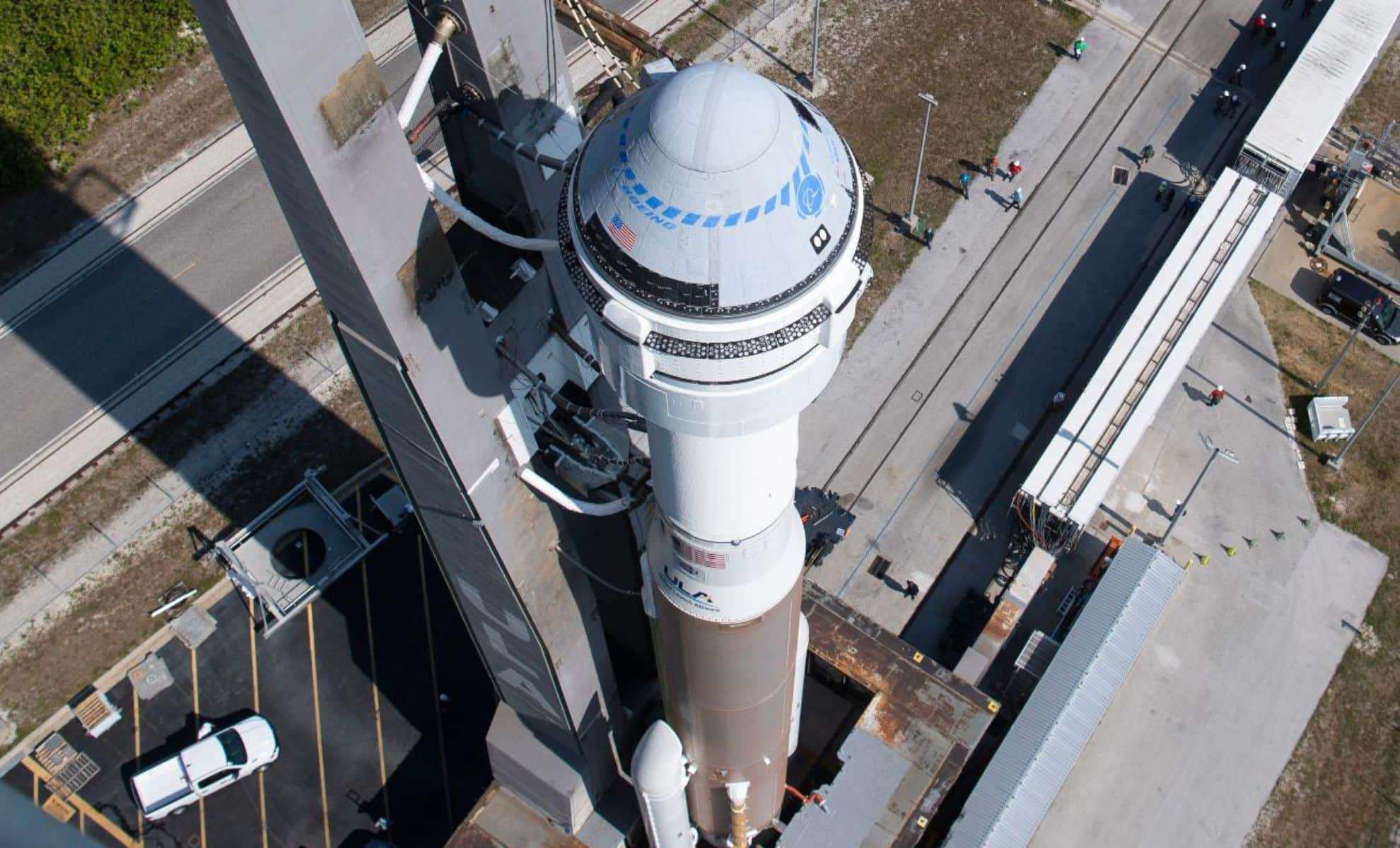
Boeing and NASA have postponed the anticipated inaugural crewed voyage of the Starliner spacecraft, initially planned for June 1, 2024.
The launch was halted just minutes before liftoff due to a fault detected in the ground launch sequencer, a crucial system that verifies redundancy checks across mission-critical components.
Because of this fault, an automatic hold was triggered, pausing the countdown with fewer than four minutes remaining. Consequently, the backup launch window scheduled for June 2 was also scrapped to allow more time for detailed inspection and repair of the supporting ground infrastructure. New potential launch dates are set for June 5 and June 6.

Delay Causes and Ongoing Review
The June 1 delay came as a blow after extensive preparation and heightened anticipation for this pivotal mission. Engineers are actively investigating the sequencer malfunction, with preliminary assessments suggesting a possible hardware defect or communications network glitch.
Mark Nappi, who serves as Boeing’s Vice President and Program Manager for the Commercial Crew Program, praised the team’s dedication: “The disappointment lasts for about three seconds, and then you just immediately get busy and do your job.”
This mindset underscores the crew’s resolve to swiftly tackle the issue while guaranteeing all systems are fully vetted before any new launch attempt. Both NASA and Boeing specialists are working nonstop to pinpoint the malfunction’s cause and implement corrective measures.
Boeing Astronauts and Mission Objectives
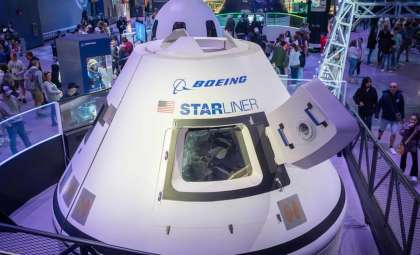
This mission aims to certify the Starliner system as safe and reliable for transporting crew members to and from the International Space Station (ISS). NASA astronauts Butch Wilmore and Suni Williams will be aboard the craft. Wilmore, with NASA since 2000, has flown twice before on the Space Shuttle and Russia’s Soyuz spacecraft.
Williams, selected in 1998, also brings experience from two prior spaceflights via the Space Shuttle and Soyuz. Both astronauts have strong ties to the U.S. Navy as former pilots, lending extensive skills to this critical test flight.
Wilmore and Williams are expected to spend approximately a week aboard the ISS, conducting various tests on the Starliner spacecraft and its subsystems. These evaluations are essential to verify the spacecraft’s readiness and compliance with all operational safety standards necessary for future missions.
This crewed test marks the last significant step before the Starliner can earn full NASA certification to regularly support astronaut transportation to the ISS, representing a key milestone for Boeing and NASA’s Commercial Crew Program.
Background and Future Implications
The Starliner program has encountered multiple postponements and technical difficulties since its inception. Conceived as a competitor to SpaceX’s Dragon capsule, which has been ferrying astronauts for NASA since 2020, Starliner has faced slower progress. Boeing has incurred costs exceeding $1.5 billion due to these delays, while NASA’s investments approach nearly $5 billion through its Commercial Crew Program funding.
Nonetheless, successful certification of Starliner promises to be a breakthrough. It will confirm Boeing’s capability to deliver a dependable crew transport option, broadening NASA’s fleet choices for ISS missions. Such diversification is critical to maintain continuous access to low-Earth orbit, support ongoing scientific endeavors, and prepare for longer-term explorations beyond Earth, such as lunar and Mars missions.
Launch Updates and Future Plans
NASA and its partners remain committed to delivering extensive coverage of all upcoming launch preparations and events. Information will continue being shared via NASA TV, the NASA app, and official agency websites, ensuring public engagement and timely updates.
Focus now rests on resolving the technical issues that caused the delay. NASA and Boeing engineers are performing thorough diagnostics and validation tests to ensure readiness for the next launch opportunity. If cleared, the upcoming attempt will represent the final trial needed for Starliner certification. Continuous communication and safety are emphasized throughout this process.
The proposed launch dates of June 5 and 6 remain tentative, contingent on the successful resolution of current challenges.
The ongoing efforts by NASA and Boeing embody the mission of the Commercial Crew Program to deliver safe, reliable, and cost-efficient crew access to the ISS. With the team’s focus unwavering, Starliner’s next launch will be a critical step toward strengthening human spaceflight capabilities.





0 comments
Sign in to Comment