
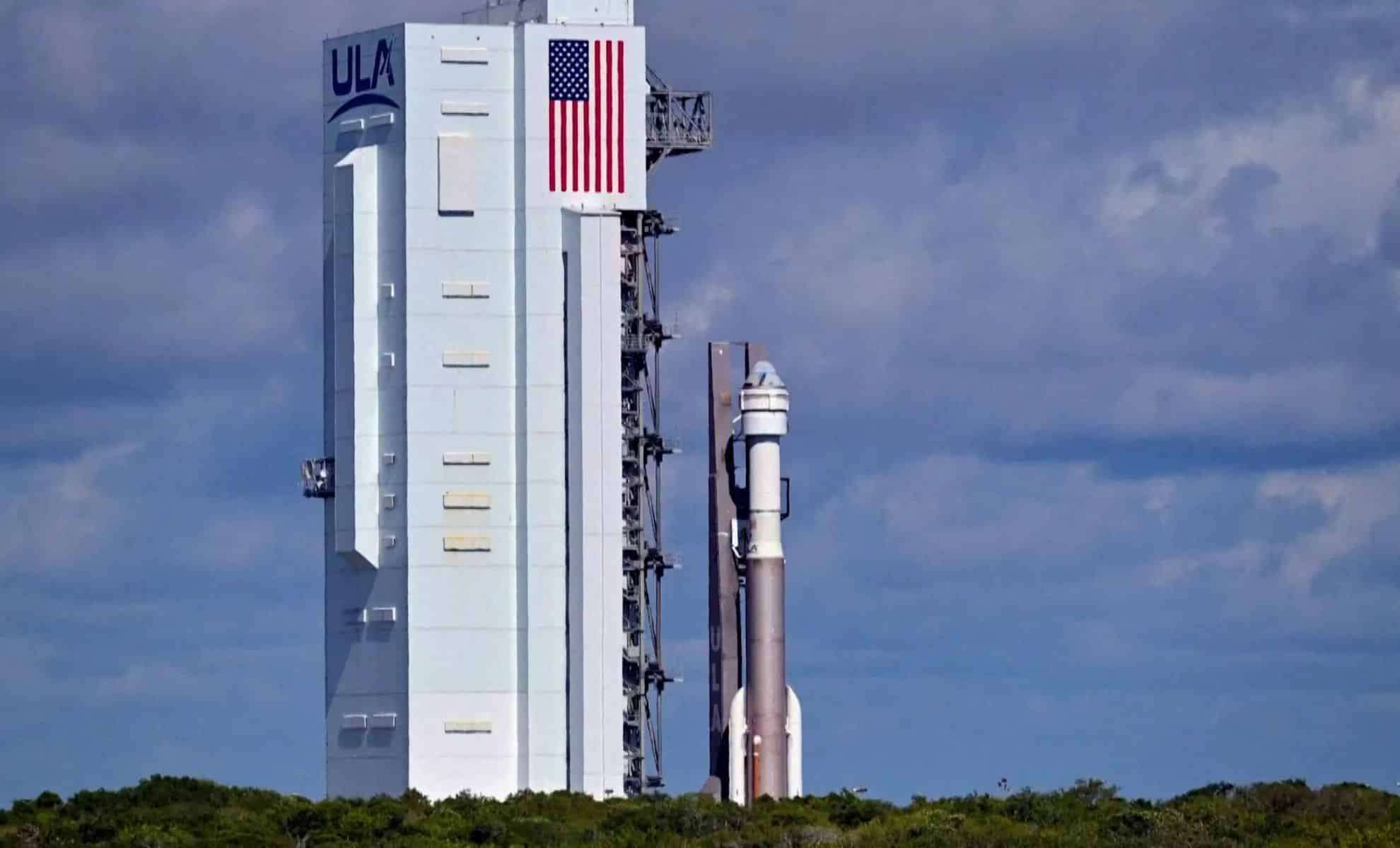
Boeing’s highly awaited Starliner spacecraft is launching today, marking a major achievement in the company’s mission to become a prominent figure in space exploration.
This flight, under NASA’s Commercial Crew Program, is designed to ferry two astronauts to the International Space Station (ISS). It symbolizes years of dedication, overcoming hurdles, and represents a vital trial for Boeing’s future role in human spaceflight.
Challenging Path to Today’s Launch
Boeing’s journey to this launch milestone has faced multiple obstacles. Since its inception over ten years ago, the Starliner project has navigated several technical and operational issues that tested the resolve of all parties involved.

A recent delay came just hours before the planned liftoff due to a safety concern, emphasizing the complexities and risks inherent in spaceflight. Further investigation uncovered a helium leak within the spacecraft’s service module, potentially jeopardizing the mission. Nevertheless, thorough risk evaluations allowed engineers to move forward, determining the mission would proceed safely even if the leak worsened.
Steve Stich, who directs NASA’s Commercial Crew Program, reassured that the helium leak was controllable and did not endanger the mission. This resolution highlights the meticulous efforts by Boeing and NASA to guarantee the spacecraft’s safety and mission readiness. Addressing such technical issues efficiently showcases the exacting standards crucial for a mission of this scale.
The Astronauts Leading the Mission
The flight will have two seasoned NASA astronauts on board: Butch Wilmore and Suni Williams, whose skills and past mission experience are key to this test’s success.
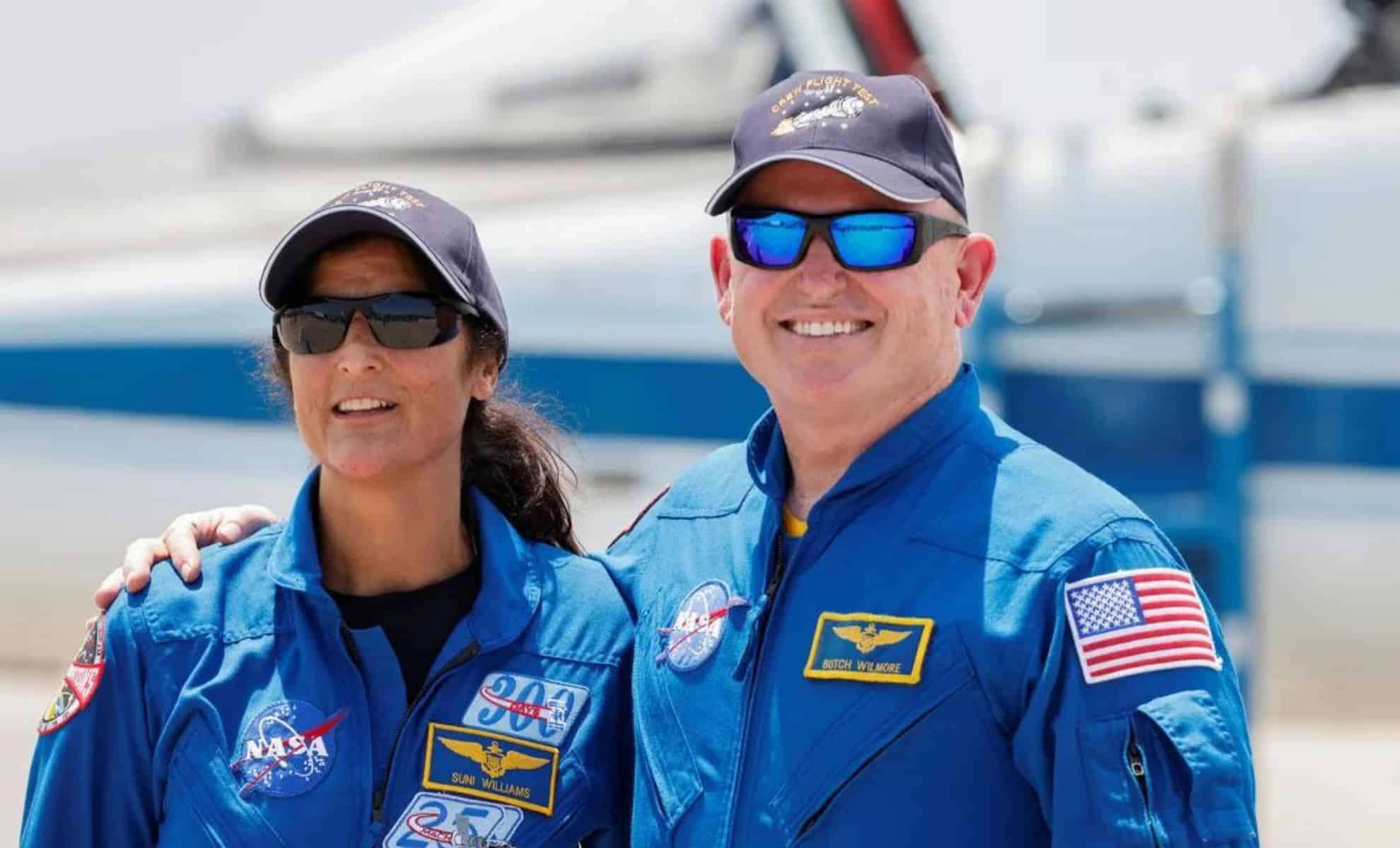
Commander Wilmore, a retired Navy captain, has spent 178 days in orbit across two missions, demonstrating his steadfastness in space. Pilot Williams, a former Naval test pilot, boasts over 322 days in space on two separate flights, with experience piloting more than 30 different aircraft. Their combined expertise is vital for the rigorous evaluations planned during this mission.
The astronauts will actively engage in testing the Starliner’s systems throughout the journey, playing a critical role beyond mere passengers. Their input will help validate the spacecraft’s performance and generate essential data for the craft’s future missions.
Mission Goals and Milestones
Following launch, the Starliner capsule will detach from its Atlas V rocket to begin a 24-hour transit to the International Space Station (ISS). This segment will challenge the spacecraft’s systems. Astronauts will examine thruster operations to confirm the propulsion system’s reliability and inspect spacesuit integration inside the capsule, important for everyday use and emergency preparedness.
One primary objective includes testing manual control capabilities, with the astronauts ready to override automated systems if necessary. This feature is crucial in unexpected situations requiring human decision-making. The comprehensive system assessments will ensure Starliner’s readiness for operational flights, supporting its future role in moving crew and cargo to the ISS.
Once attached, the crew will remain aboard the ISS for eight days to conduct additional system tests and work alongside the current station team. They will also assess Starliner’s “safe haven” function—an emergency refuge capability within the spacecraft—strengthening astronaut safety protocols during crises.
Significance Beyond the Launch
This upcoming launch is a defining moment not only for Boeing but also for NASA, which has strategically invested in the Commercial Crew Program to deepen public-private partnerships. Success here is critical as NASA aims to sustain leadership in space, especially amid rivals like China progressing rapidly in their space capabilities. Collaborating with firms like Boeing and SpaceX enables NASA to innovate while lowering costs, paving the way for more frequent and ambitious missions.
Boeing’s road to this launch has involved hefty financial input and considerable technical hurdles. The company has invested close to $600 million tackling engineering challenges, highlighting the high stakes and intricacies of space endeavors. A triumphant mission today would validate those efforts and position Boeing as a formidable competitor to SpaceX, NASA’s primary astronaut transportation provider. This rivalry is fundamental to fostering innovation and securing America’s spaceflight dominance.
More broadly, this mission marks a key moment in the rise of commercial spaceflight, where private enterprises increasingly drive the frontier of human space visits. A successful Starliner flight would affirm this collaborative model and lay groundwork for even bolder projects like returning humans to the Moon and eventually reaching Mars.
- Categories:
- Astronomy ,
- News ,
- Space ,
- Nasa ,
- Aircraft





0 comments
Sign in to Comment