
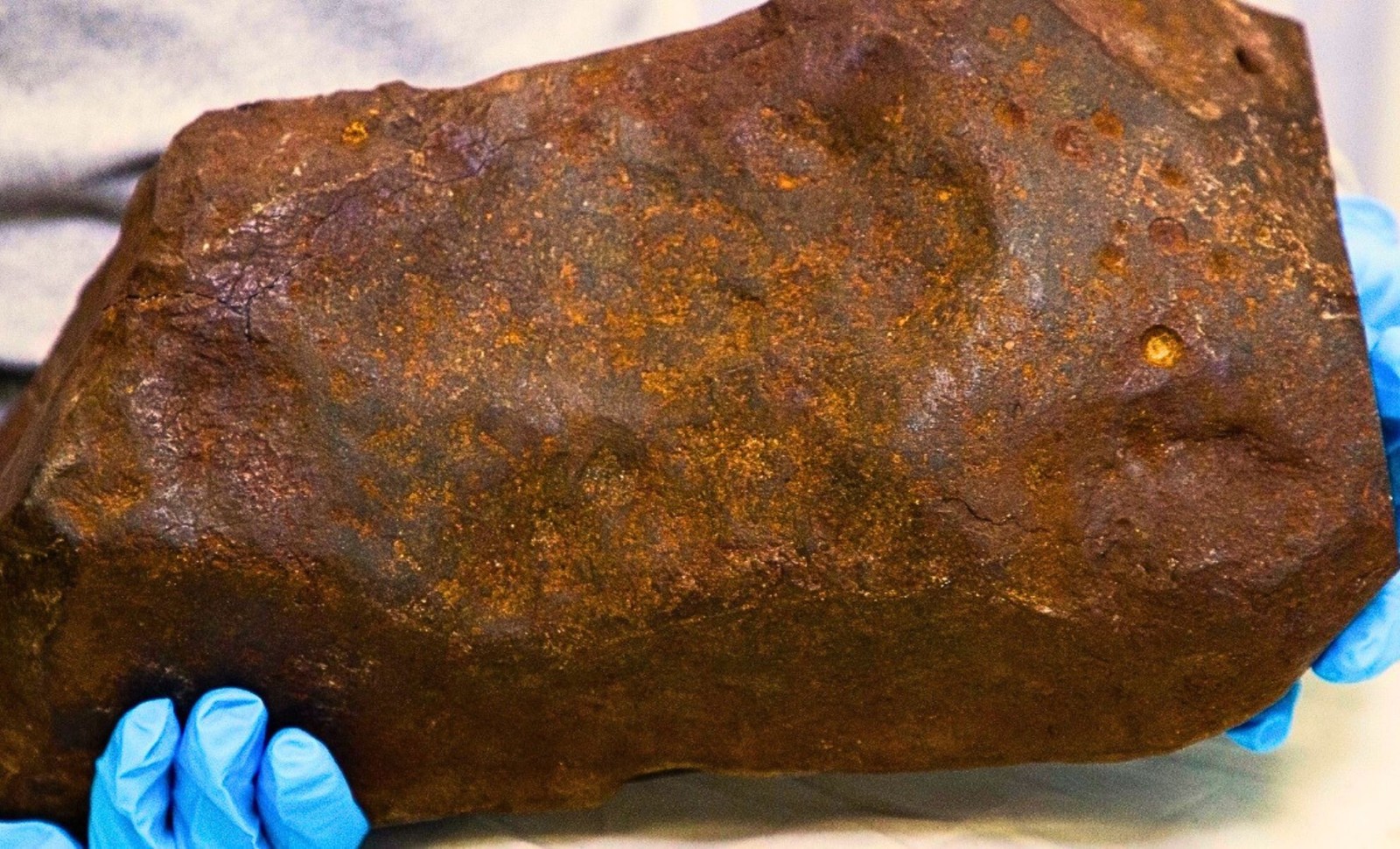
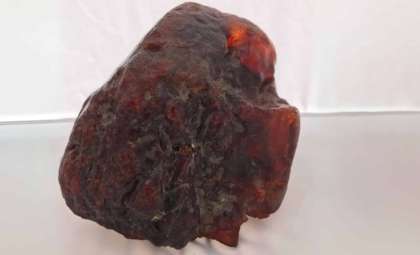
In southeastern Australia’s rough goldfields, an amateur prospector held onto a puzzling reddish-brown stone for years, believing it contained gold. The dense rock was unusually smooth and could not be broken.
Despite attempts using saws, drills, acids, and even a sledgehammer, he failed to fracture it. Eventually, he took the mystery stone to the Melbourne Museum seeking expert insights.
Scientists discovered that the item was not gold, but a rare and ancient meteorite predating Earth. Known today as the Maryborough meteorite, this 17-kilogram object is among the oldest and most important scientific discoveries in the area.

The Stubborn Meteorite That Resisted Every Tool
The stone was found in 2015 near Maryborough Regional Park, roughly 160 kilometers northwest of Melbourne. This area was a hub during Australia's 1800s gold rush, attracting many hobby prospectors.
David Hole, who uncovered it, was certain the rock contained a nugget due to its red coloration and heavy weight matching local gold-rich geology. No technique, however, could crack the stone open.
The specimen was later examined by Melbourne Museum geologists Dermot Henry and Bill Birch, both long-time mineral experts who immediately suspected an extraterrestrial origin.
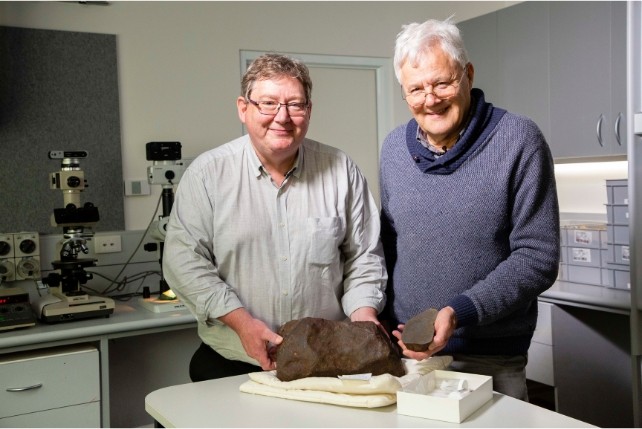
Henry explained to The Sydney Morning Herald, “The surface had a dimpled, sculpted texture, typical of meteorites melting and shaping as they pass through the atmosphere.”
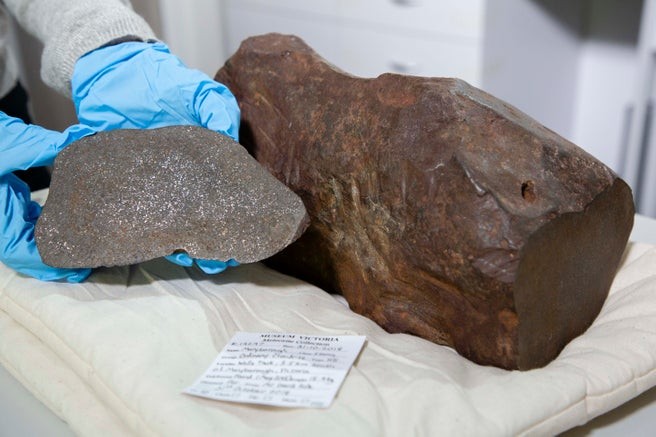
After slicing a portion with a diamond saw, scientists classified it as an H5 ordinary chondrite—a category of stony meteorite rich in iron and containing chondrules. These small, molten spherules formed in the earliest days of the solar system.
A Remarkably Rare Space Find in Victoria
The meteorite was named after Maryborough, the nearest town, and weighs 17 kilograms (about 37.5 pounds). It is now preserved in the Museums Victoria collection.
Chondrites like this one are prized because they harbor original components from the solar nebula—the cloud of gas and dust that existed before planets, including Earth, formed. They help scientists better understand the early solar system’s chemical makeup, with some containing prebiotic compounds such as amino acids.
Victoria has officially recorded only 17 meteorite finds despite producing many thousands of gold nuggets. This specimen ranks as the second-largest chondritic mass found in the region, trailing behind a 55-kilogram meteorite found in 2003.
Henry reflected in a 2019 ScienceAlert article that, “Considering the circumstances, it’s almost a cosmic coincidence that it was discovered at all.”
The team’s comprehensive analysis was published in the Proceedings of the Royal Society of Victoria, detailing its mineralogy, thermal evolution, and implications for meteorite science.
Journey from the Asteroid Belt to Australian Terrain
Chondrites like Maryborough’s are believed to originate from the asteroid belt between Mars and Jupiter, a region filled with primordial debris from the solar system’s infancy. Occasionally, asteroid collisions propel fragments through space, some of which eventually reach Earth.
Radiocarbon dating indicates the Maryborough meteorite landed on Earth roughly between 100 and 1,000 years ago. Several eyewitness meteor reports from the vicinity between 1889 and 1951 might be linked to this event. Although the exact fall date is uncertain, the meteorite’s well-preserved condition makes it invaluable for research.
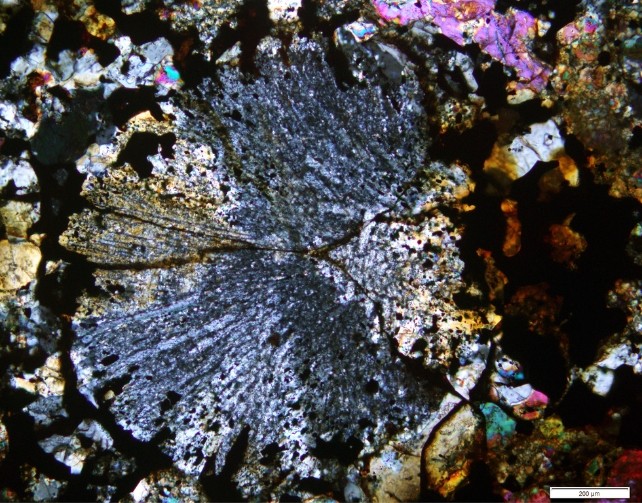
Inside, the meteorite displays distinctive metal-rich droplets called chondrules, among the earliest solids created in the solar system over 4.6 billion years ago.
These meteorites serve as natural time capsules that preserve clues about planet formation and the chemical evolution leading to life-supporting environments.
Discovering Cosmic Treasures Close to Home
Despite its significance, the Maryborough meteorite sat unnoticed for years—highlighting how easily space rocks can be mistaken for ordinary terrestrial stones.
Meteorites are more common than many realize, but identifying them is challenging since they often look like rusty or stony lumps. Confirming their space origin requires specialized testing.
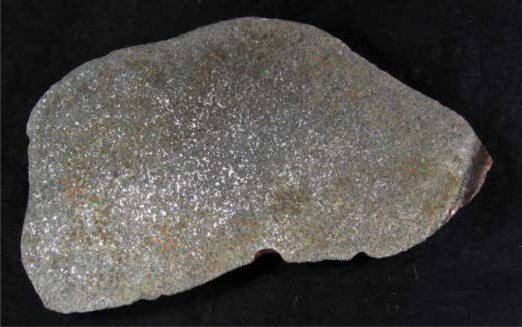
“Most people would overlook it or discard it,” Henry told ScienceAlert in 2019. Despite evaluating thousands of samples, only two had been genuine meteorites, including Maryborough.
Other meteorites have also gone unrecognized for decades. One notable case in the U.S. involved a meteorite used as a doorstop for over 80 years before scientific identification.
Now exhibited at Museums Victoria, the Maryborough meteorite draws both public fascination and scientific study. Its structure and chemistry continue to offer insights into planetary processes that predate Earth’s formation.
- Categories:
- News





0 comments
Sign in to Comment