
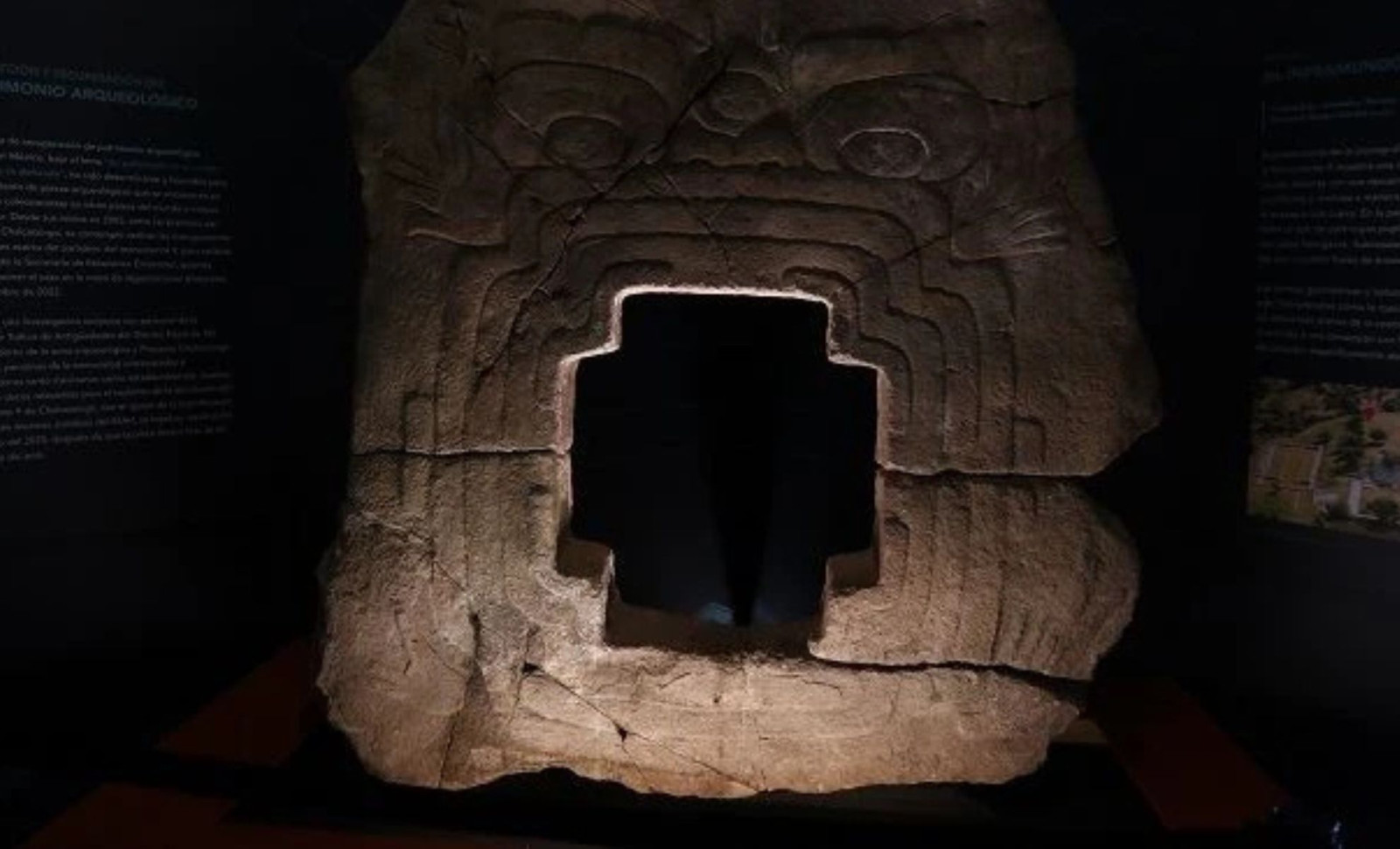
After being missing for over 100 years, the invaluable “Portal to the Underworld” relic has finally been repatriated to Mexico. The 2,700-year-old Olmec Cave Mask, which portrays the jaguar deity Tepeyollotlicuhti, was illicitly taken in the early 1900s and has now been restored to its native land.
This monumental mask had been disassembled into sections to aid its clandestine transfers between various museums and private owners, ultimately resurfacing in Denver, Colorado in 2023. Due to relentless efforts by global officials, including archaeologist David Grove, the culturally significant piece has been returned to where it originally belonged.
An Artifact’s Cross-Continental Odyssey
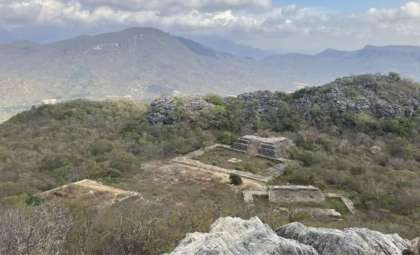
The Olmec Cave Mask was first discovered in Chalcatzingo, Morelos, a site renowned for its rich Olmec artistic heritage. Though the exact date remains uncertain, looters appropriated the “Portal to the Underworld” sometime during the early 20th century.

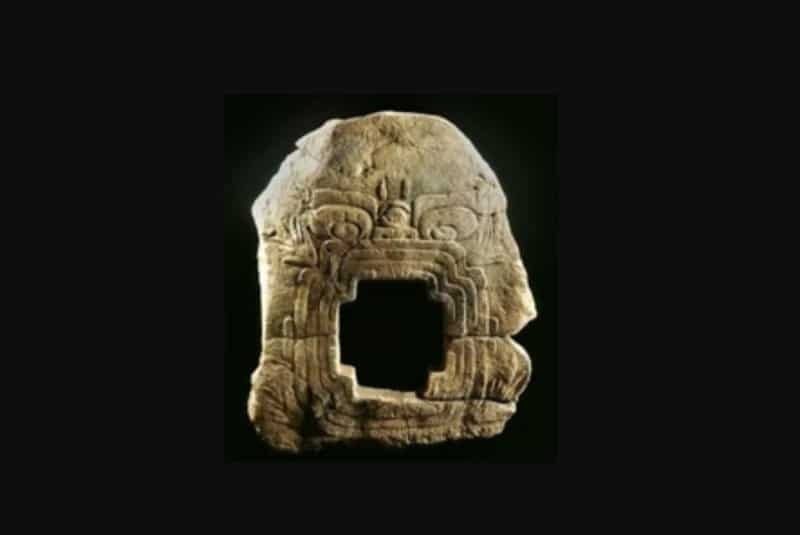
Carved from stone and measuring roughly six by five feet, the mask represents Tepeyollotlicuhti, the jaguar deity associated with the afterlife. Over decades, it was unlawfully traded across private and museum collections worldwide before landing in Denver.
Archaeologist David Grove, an esteemed expert on Olmec culture, played a pivotal role in identifying the artifact's whereabouts. New York District Attorney Alvin Bragg commented:
“This incredible, ancient piece is a rare window into the past of Olmec society,” he stated in a statement. “Representing of the passage to the afterworld, the hulking Olmec Cave Mask guarded the entrance to a ceremonial cave at the archaeological site Chalcatzingo, Mexico.”
Reconstruction of the ‘Underworld Portal’ Mask
When the mask was recovered, it was fragmented into 25 separate pieces, likely broken apart to aid in its illegal transportation. Mexican authorities, led by the National Institute of Anthropology and History (INAH), undertook the careful restoration process. The rehabilitation lasted about a year, with specialists working on-site to reassemble and stabilize the artifact for exhibition.
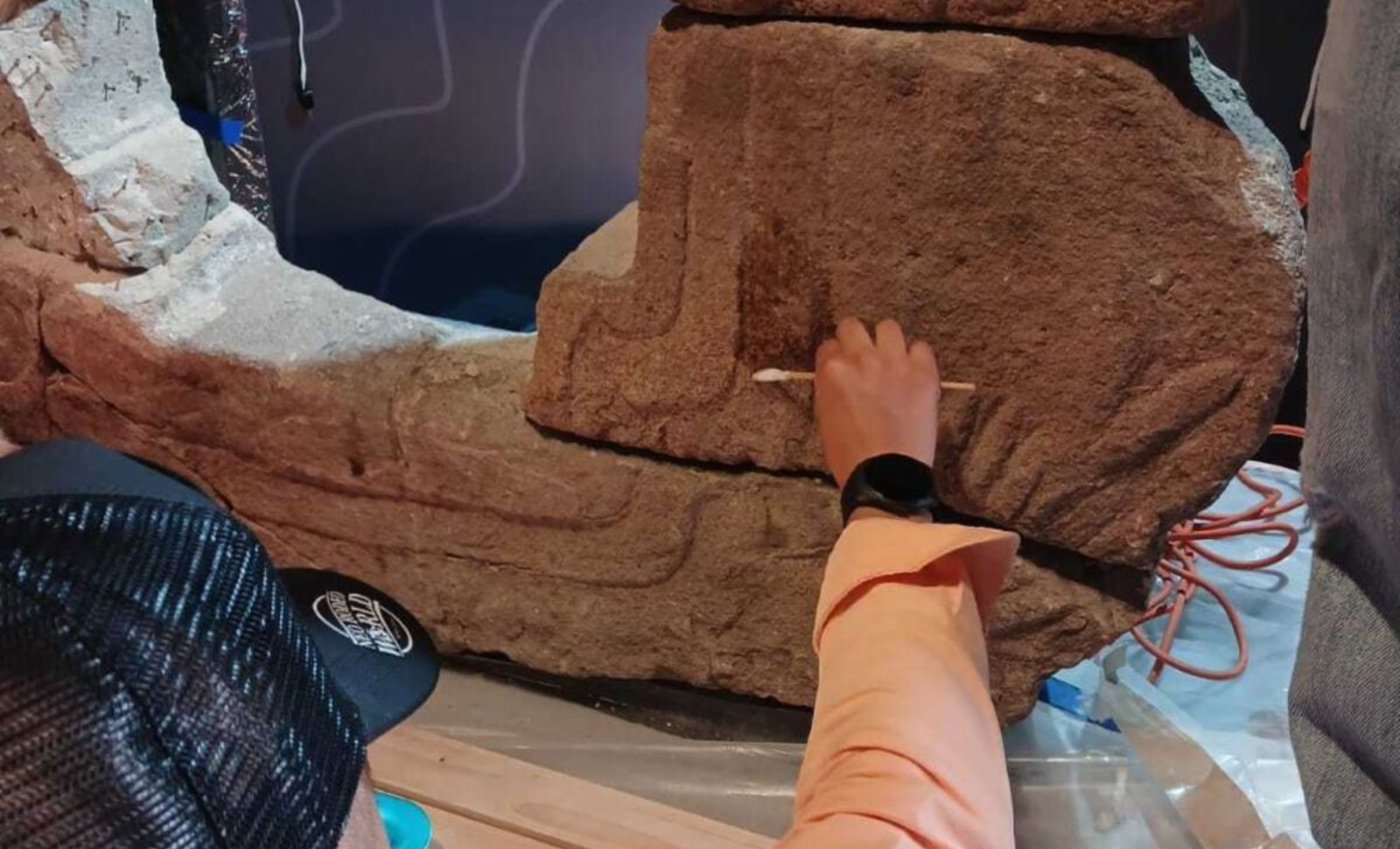
Mario Córdova Tello, INAH’s director, revealed that while portions of the mask remain original, some sections had been replaced with modern materials such as metal bolts and cement to ensure structural integrity. In an INAH press release, Castro Barrera commented:
“Some elements that make it up are original, but others, such as a metal structure based on bolts, cement reinforcements and replacements of missing parts and shapes, were added to give it stability again, even though the techniques and materials were not the most appropriate.
- Categories:
- Science




0 comments
Sign in to Comment