
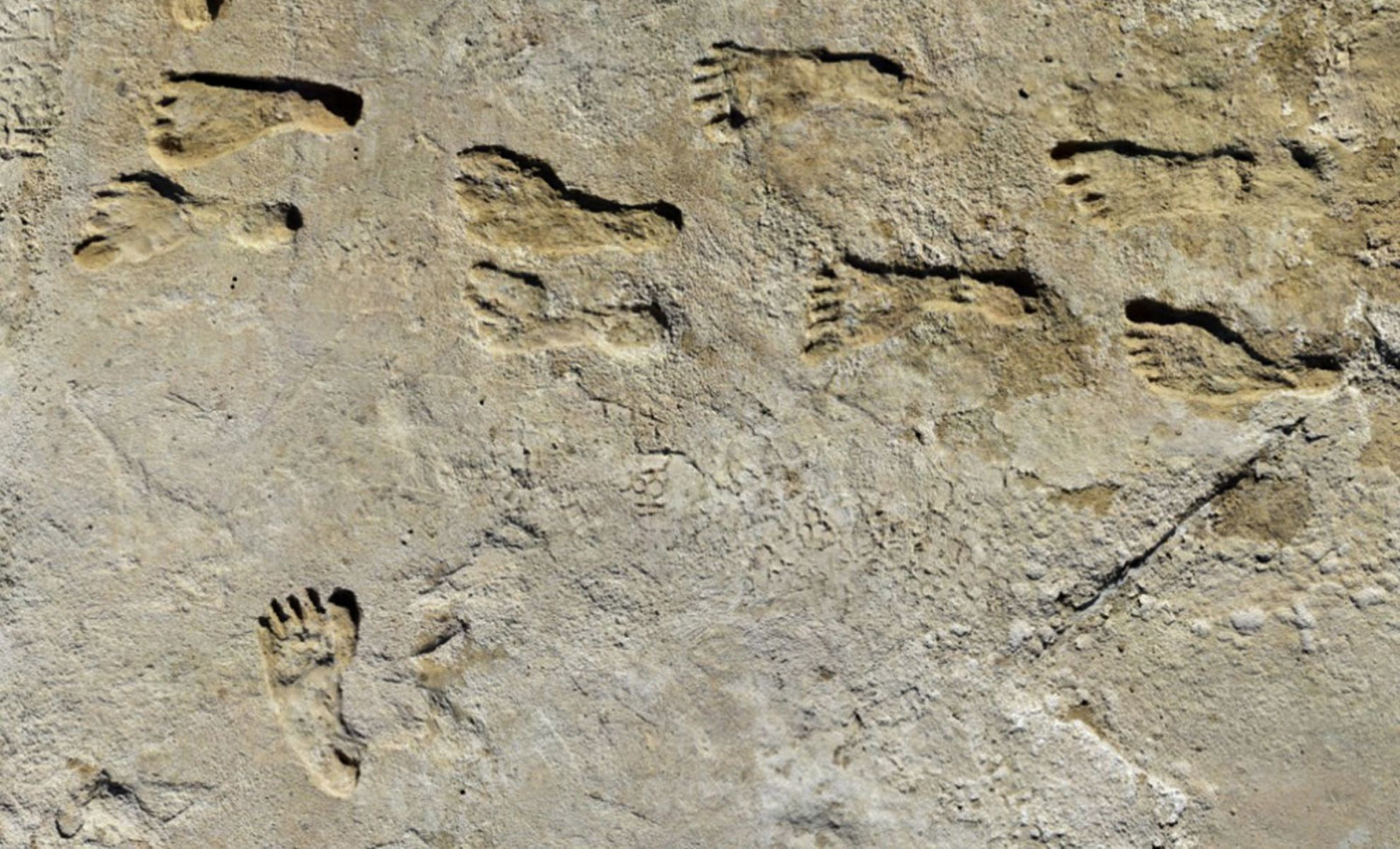
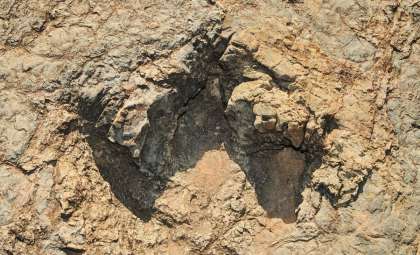
At White Sands National Park, experts uncovered numerous ancient footprints within sediment layers on the dried basin of prehistoric Lake Otero. Radiocarbon analysis of seeds located above and below these footprints established their age during the Last Glacial Maximum, spanning from approximately 26,500 to 19,000 years ago, a time previously thought to be too harsh for human habitation in North America.
A study in Science challenges the prevailing view that humans first arrived no earlier than 16,000 years ago. Led by Professor Matthew Bennett of Bournemouth University, the research suggests human presence in this New Mexico region by at least 7,000 years earlier than prior evidence indicated.
Humans Present Despite Glacial Peak
Radiocarbon dating of Ruppia cirrhosa seeds, aquatic plants found around the footprint deposits, confirmed human activity dating between 23,000 and 21,000 years ago.

“This corresponds to the height of the last glacial cycle, during something known as the Last Glacial Maximum, and makes them the oldest known human footprints in the Americas.” said Dr. Kathleen Springer of the U.S. Geological Survey, who took part in the research.
Professor Vance Holliday from the University of Arizona notes that earlier-than-16,000-year dates have met skepticism due to limited trustworthy data.
“The White Sands tracks provide a much earlier date,” he said, positioning the find as a turning point in understanding early human migration across the continent.
Footprints Illustrate Everyday Life
The study reveals that many impressions belonged to young teens and children, indicating the site was a living space rather than merely a passageway.
“Teenagers interacting with younger children and adults,” said Professor Matthew Bennett of Bournemouth University, describing what the track patterns reveal. “We can think of our ancestors as quite functional, hunting and surviving, but what we see here is also activity of play, and of different ages coming together.”
Footprints of extinct creatures such as mammoths, giant ground sloths, and dire wolves were also discovered nearby, enriching our view of the ancient ecosystem early humans inhabited.
Preserving Ancient Footprints Amid Erosion Risks
Despite offering valuable insight into ancient life, these footprints face rapid deterioration. The exposed surface at White Sands National Park, especially around Alkali Flat, suffers from ongoing erosion that threatens these rare trackways.
“It is incredible to have the confirmation on the age of the human prints,” said David Bustos, the park’s resource manager, who first discovered the tracks. “Exciting but also sad to know that this is only a small portion of the 80,000 acres where the prints have been revealed bare and are also being rapidly lost.”
- Categories:
- Science







0 comments
Sign in to Comment