
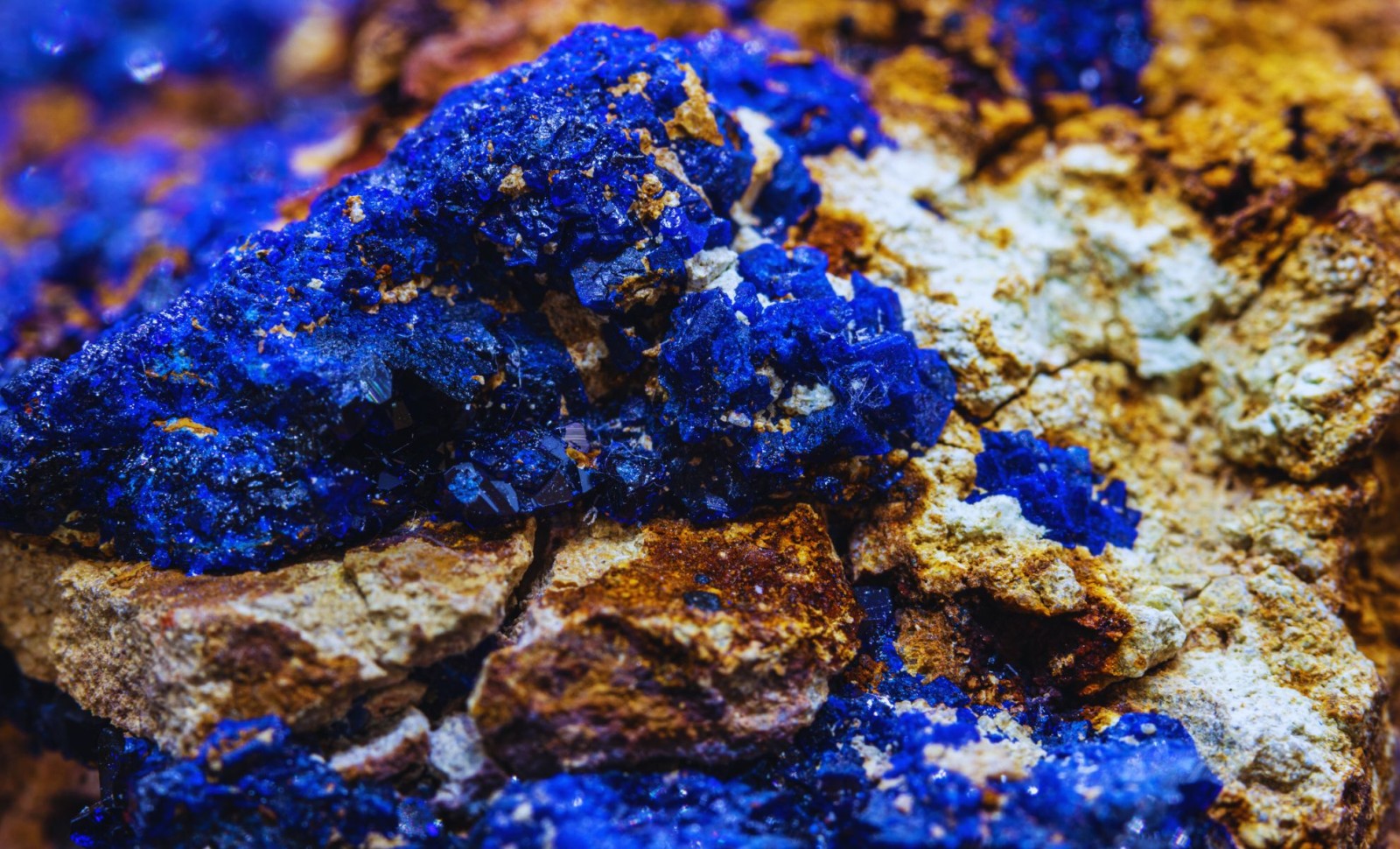
Scientists have identified remnants of a rare blue pigment on a 13,000-year-old stone tool unearthed in Germany, opening new perspectives on the variety of colors early humans could access.
The artifact, excavated from the Mühlheim-Dietesheim site in Germany, contains faint traces of azurite, a vivid blue mineral pigment. The team from Aarhus University reports this as the earliest European evidence of blue pigment. Previously, researchers believed that prehistoric people mainly used red and black pigments, given the dominance of those colors in surviving artworks.
Unexpected Use of Color by Paleolithic Humans
Blue had long been missing from what we understood about Paleolithic artistic color choices. Archeologists assumed blue pigments were either scarce or difficult to produce. “Our assumptions about Paleolithic pigment use are now being challenged,” stated Dr. Izzy Wisher, lead author of the research. The discovery of azurite on the Mühlheim-Dietesheim piece indicates early humans might have utilized a broader spectrum of pigments than previously believed.

Azurite, known for its intense blue hue, was not documented before in Paleolithic Europe. Historically, most preserved cave paintings and artifacts include red ochre or charcoal, which are easier to acquire and handle. Yet, the study published in Antiquity suggests ancient humans possessed a more advanced understanding of color usage than previously acknowledged.
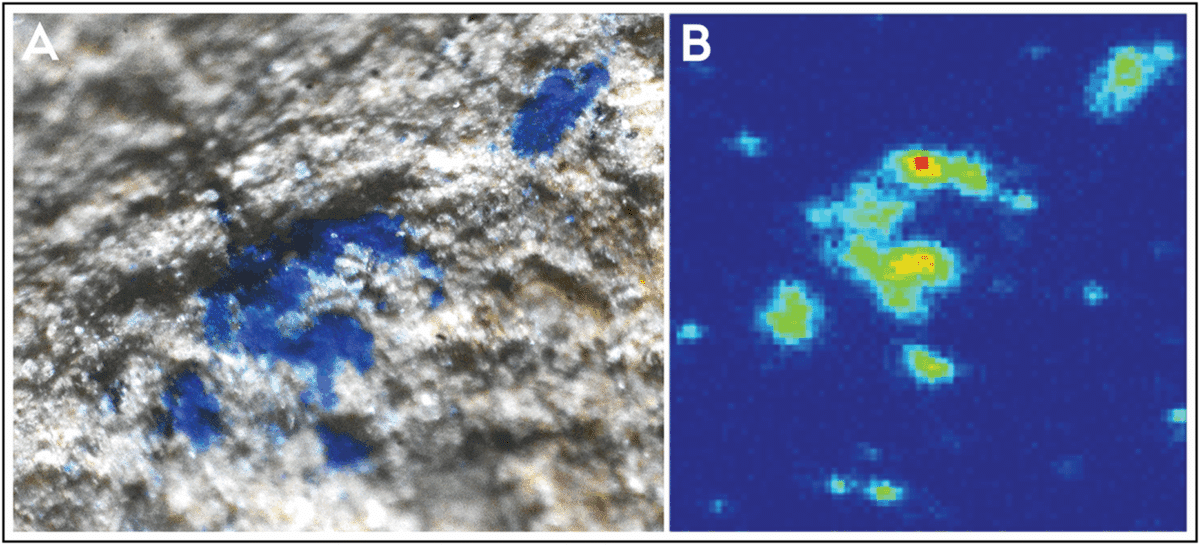
This finding sparks curiosity about whether blue pigments were applied in contexts that rarely leave archaeological evidence, such as body painting or fabric coloring.
Reevaluating the Artifact’s Function
The stone bearing the blue pigment was first interpreted as an oil lamp. Recent examinations, however, suggest it served as a surface for mixing pigments.
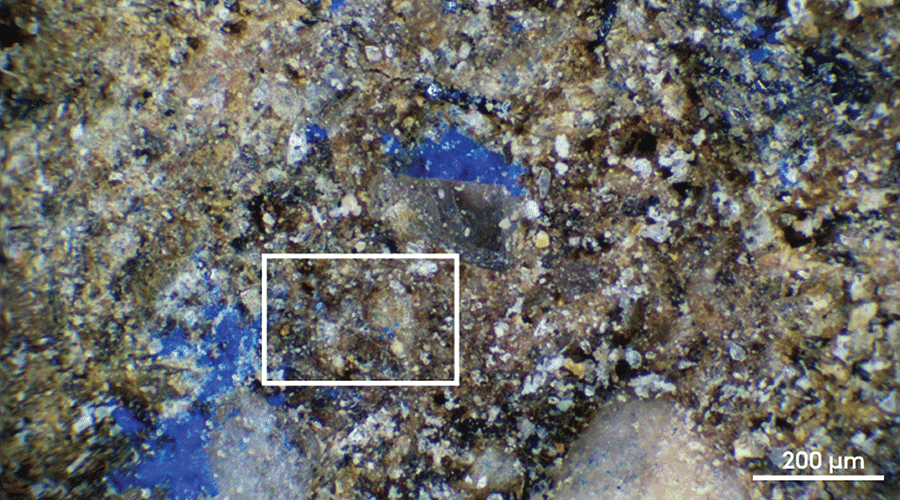
The presence of azurite implies this stone likely played a role in producing blue pigments possibly applied for personal adornment or ritualistic ceremonies. Blue could have extended beyond cave art to include decorating skin or textiles.
Insights into Prehistoric Identity through Color Use
Given the symbolic importance of blue in many societies, it’s plausible early humans assigned special meanings to this color. While definitive conclusions remain elusive, the use of azurite indicates color might have been a key component in reflecting identity, social standing, or spiritual ideas.
“The presence of azurite shows that Paleolithic people had a deep knowledge of mineral pigments and could access a much broader color palette than we previously thought – and they may have been selective in the way they used certain colors,” Dr. Wisher explained.
These pigments hint at a sophisticated early human culture where color likely played an important role in ceremonies or group identity.
- Categories:
- Science













0 comments
Sign in to Comment