
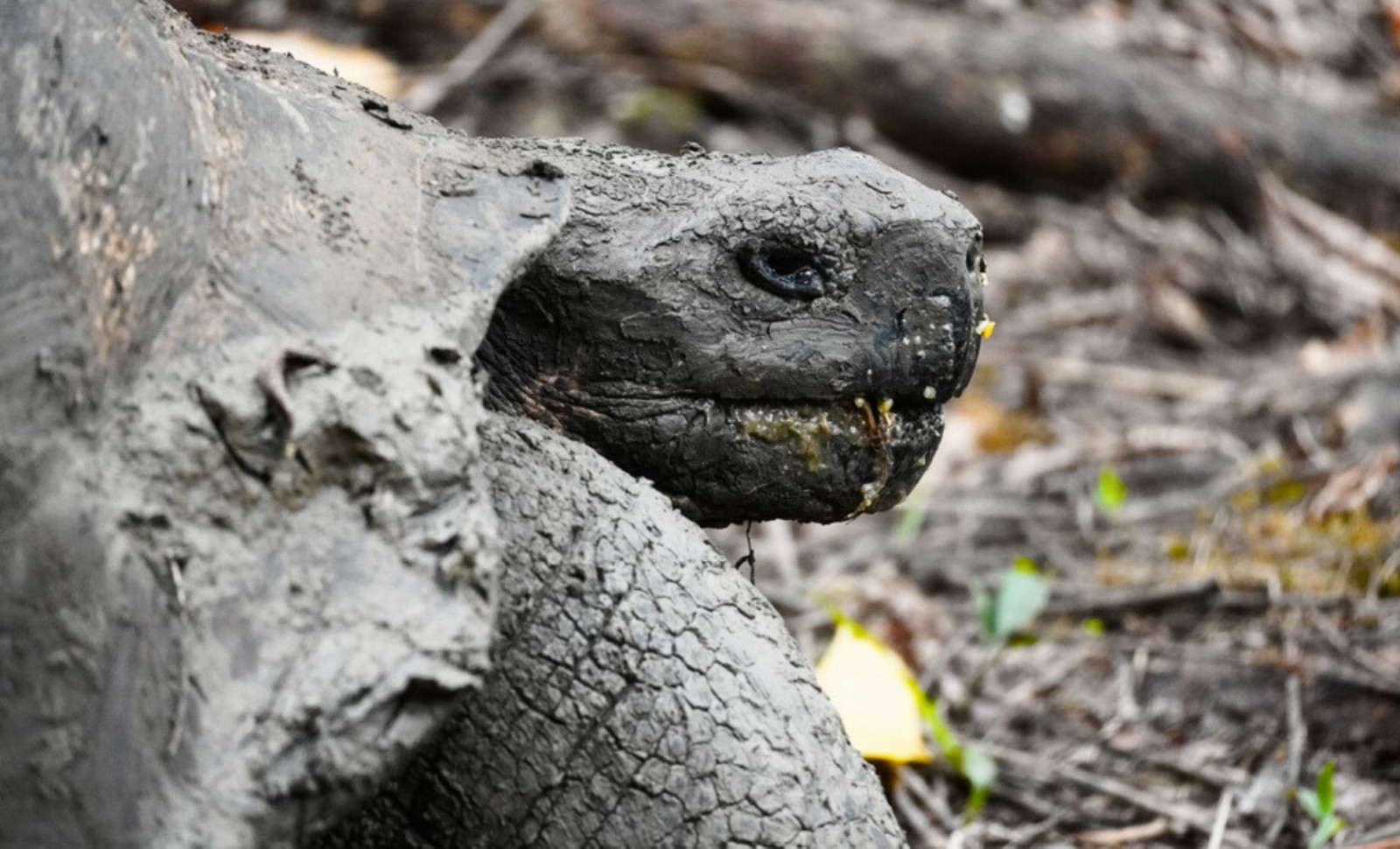
A giant tortoise species, presumed extinct for over 110 years, has been validated as still living. Genetic testing published in 2022 confirmed a female tortoise discovered on Fernandina Island in 2019 is indeed Chelonoidis phantasticus, commonly known as the Fernandina giant tortoise, last documented in 1906.
This breakthrough, presented in peer-reviewed studies and official announcements, resolves one of the longest unresolved extinction mysteries in vertebrate conservation biology. It also renews efforts to locate more individuals on one of the most geologically challenging islands in the Galápagos archipelago.
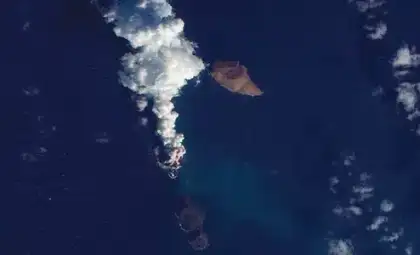
Fernandina Island’s rugged volcanic landscape, formed by repeated eruptions from La Cumbre volcano, has long prevented thorough biological expeditions, likely explaining the species’ lengthy absence from scientific records.

Genomic Analysis Connects Fernanda to Historic 1906 Turtle
The discovery originated from genome sequencing performed by scientists from Princeton University, Yale University, and Ecuador’s conservation authorities. Their results were featured in Communications Biology in May 2022 and highlighted in a Princeton University news release.
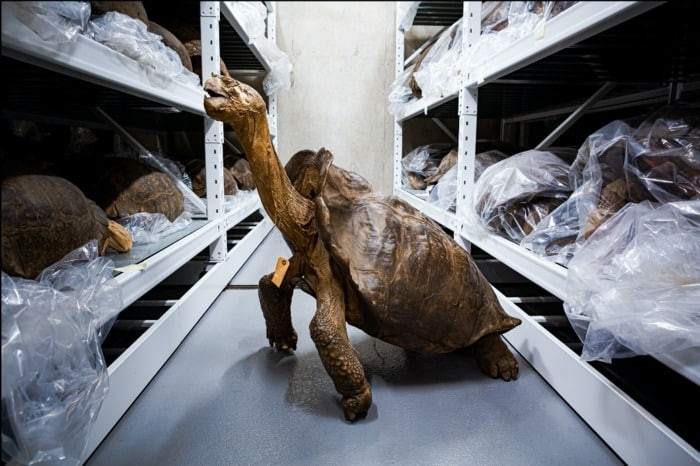
The research determined that Fernanda is both genetically and morphologically different from all other Galápagos giant tortoise species and closely matches a male specimen collected on Fernandina Island in 1906, housed at the California Academy of Sciences, which served as the key reference.
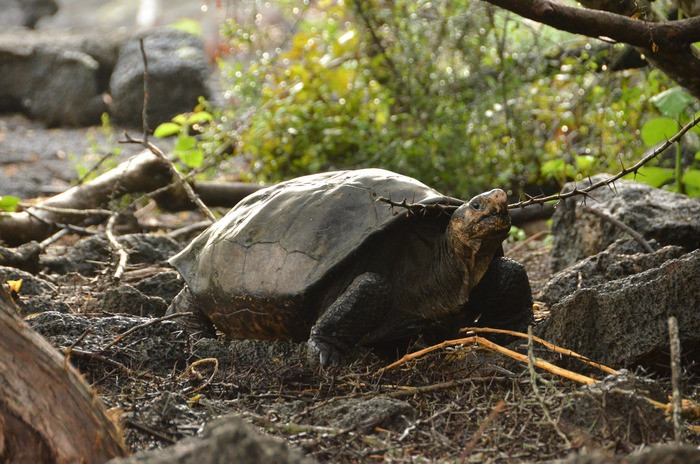
Co-author Stephen Gaughran remarked in the Princeton report, “It was surprising to discover that Fernanda closely resembled the tortoise found over a century ago on the same island, and both distinctly differ from other Galápagos tortoise species.”
The genetic evidence ruled out the possibility of Fernanda being a hybrid or misidentified from nearby islands. The Galápagos Conservancy’s official statement further affirmed Fernanda as undoubtedly native to Fernandina Island.
The rediscovery initially caught global attention in 2019, with the confirmation process later summarized in an EurekAlert release that emphasized genomic analysis’ critical role in settling the long-standing taxonomic mystery.
Hostile Terrain Hindered Species Detection
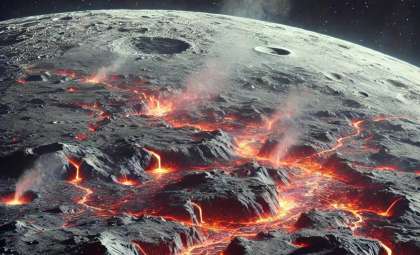
Covering about 640 square kilometers, Fernandina Island is the most volcanically active in the Galápagos, with landscapes dominated by fresh lava flows, rough basalt rock, and sparse plant life.
Such harsh conditions make wildlife monitoring extremely difficult. According to the Galápagos Conservancy, the area where Fernanda was discovered was extremely remote, requiring challenging hikes over fresh lava fields.
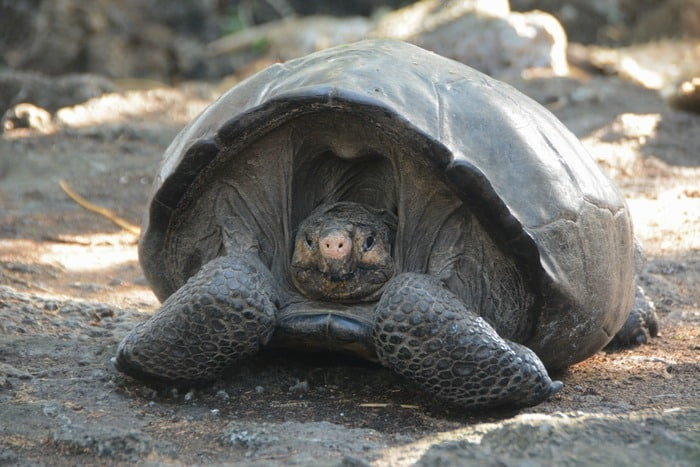
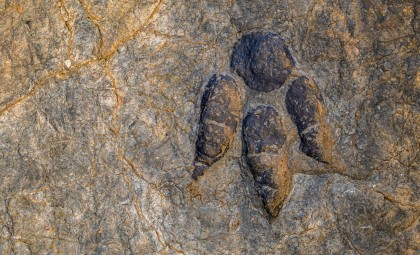
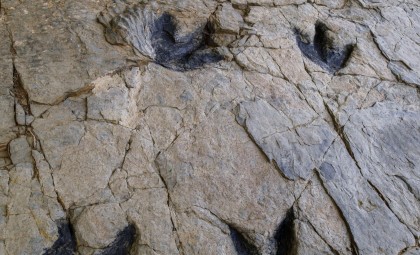
Previous exploration attempts spanning decades had no success in locating living representatives of this species. The 2019 expedition combined aerial scouting with ground exploration of new lava areas. Besides Fernanda, researchers found tortoise footprints and droppings, indicating the possibility of more individuals, but none have been confirmed yet.
After its discovery, Fernanda was relocated to the Fausto Llerena Breeding Center on Santa Cruz Island, managed by the Galápagos National Park Directorate, for ongoing care and observation.
Species Status Uncertain, No Breeding Efforts Underway
Although genetic tests confirmed Fernanda’s identity, the species remains critically endangered. Fernanda is the only documented living Chelonoidis phantasticus, with no known male tortoises or active captive breeding initiatives for this species.
Authorities plan additional expeditions to locate other individuals on Fernandina Island, employing advanced tools like satellite imagery, drone technology, and environmental DNA sampling to detect species presence in soil and water samples.
No public information indicates the use of assisted reproduction techniques so far. Furthermore, while no official update to the IUCN Red List has been issued reflecting a change from extinct to extant, Galápagos management databases now catalog the species as living based on the science-backed confirmation.
A Remarkable Conservation Comeback
Finding a species long thought extinct is rare, especially over a span exceeding a century. The 113-year gap between the 1906 specimen and Fernanda’s discovery underscores the importance of preserved museum samples, which enabled definitive genetic comparison across generations.
The Fernandina giant tortoise occupies a distinctive role in conservation science today: confirmed extant yet only known from a single individual. Field teams remain actively preparing to resume expeditions targeting Fernandina Island.
As of early 2026, Fernanda stands as the sole confirmed living representative of Chelonoidis phantasticus.
- Categories:
- Science



0 comments
Sign in to Comment