
Ensuring long-term survival for astronauts on the Moon hinges on developing efficient ways to generate resources in situ. A recent investigation Acta Astronautica explores an innovative approach involving photobioreactors (PBRs) that could cultivate both oxygen and nutrients directly on the lunar surface. This strategy aims to cut down the exorbitant costs and logistical challenges associated with sending supplies from Earth. Conducted by researchers at the Technical University of Munich, the study expands on in-situ resource utilization (ISRU) concepts by proposing that algae-based PBRs may fulfill essential life-support functions while reducing mission expenditures. The findings underscore the critical role of harnessing lunar materials in advancing sustainable habitation beyond our planet.
Understanding Photobioreactors and Their Potential Use on the Moon
Photobioreactors operate by exploiting the process of photosynthesis, enabling the production of valuable substances like oxygen and biomass. Within these systems, microalgae consume carbon dioxide (CO2) and water to generate oxygen and organic materials suitable for consumption or conversion into biofuels. This nature-inspired technology holds strong promise for supplying astronauts during extended lunar missions. Yet, the challenge lies in adapting PBRs to the extreme lunar environment.
The absence of a protective lunar atmosphere means that PBRs must be housed within sealed environments to shield the living organisms from intense solar radiation and the vacuum of space. Unprotected exposure to direct sunlight could devastate the microalgae cultures and damage the equipment. To address this, the researchers suggest various protective strategies, including custom moon-fabricated shelters and radiation-filtering transparent casings that allow adequate light penetration while safeguarding the biological components.

Leveraging Moon Materials to Reduce Costs of PBR Construction
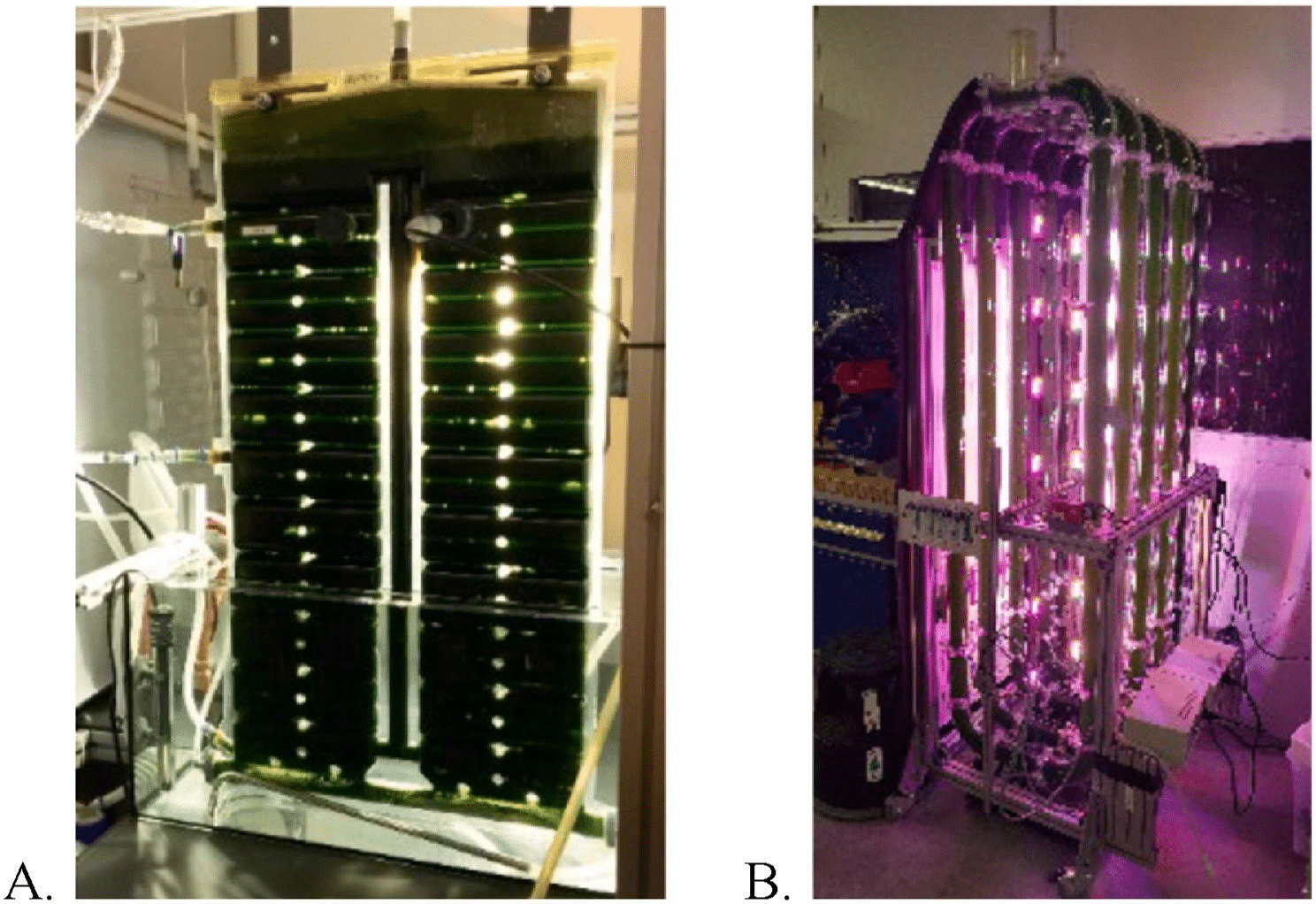
One of the standout benefits of utilizing PBRs on the Moon is the possibility of substantial financial savings. Launching payloads from Earth carries a steep price tag, with per-kilogram costs reaching $100,000. The team from Technical University of Munich prioritizes the use of indigenous lunar resources as raw materials in building PBR systems, potentially slashing expenses by millions. Their analysis compares two PBR formats: tubular airlift and the more efficient, yet maintenance-intensive, flat panel airlift (FPA) designs.
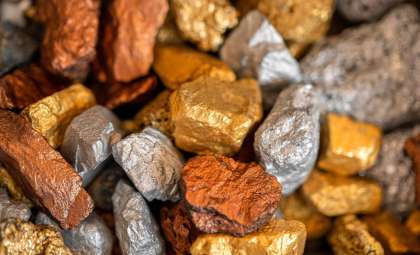
The tubular model presents a cost-effective choice, with projections suggesting up to $50 million saved when assembled from moon-mined regolith rich in metals and minerals. However, producing essential components like transparent glass for light passage remains a hurdle—no successful fabrication from lunar substrates exists to date. This limitation means alternatives such as Earth-supplied LED lighting must be used, though these require significant energy and sophisticated tech. Despite these difficulties, the prospect of creating PBRs with materials sourced from the Moon continues to inspire further examination.
Biological Factors and the Importance of Algae Maintenance
Success of lunar PBRs is closely tied to the well-being of the enclosed algae. To thrive, these microorganisms need a supply of nutrients including phosphorus, nitrogen, and chlorine, all scarce in lunar soil. The researchers propose recycling astronaut wastewater to provide these essential nutrients, establishing an efficient resource cycle that minimizes waste and sustains biological productivity.
Carbon availability poses another critical challenge, as it’s vital for algal growth and plastic manufacturing. Given its rarity on the Moon, a full reliance on local carbon sources isn’t yet feasible, meaning certain supplies must be transported from Earth. The study recommends a combined strategy that pairs PBRs with established ISRU methods, such as Molten Regolith Electrolysis for oxygen generation, to ensure dependable life support for future lunar inhabitants.
- Categories:
- News






0 comments
Sign in to Comment