
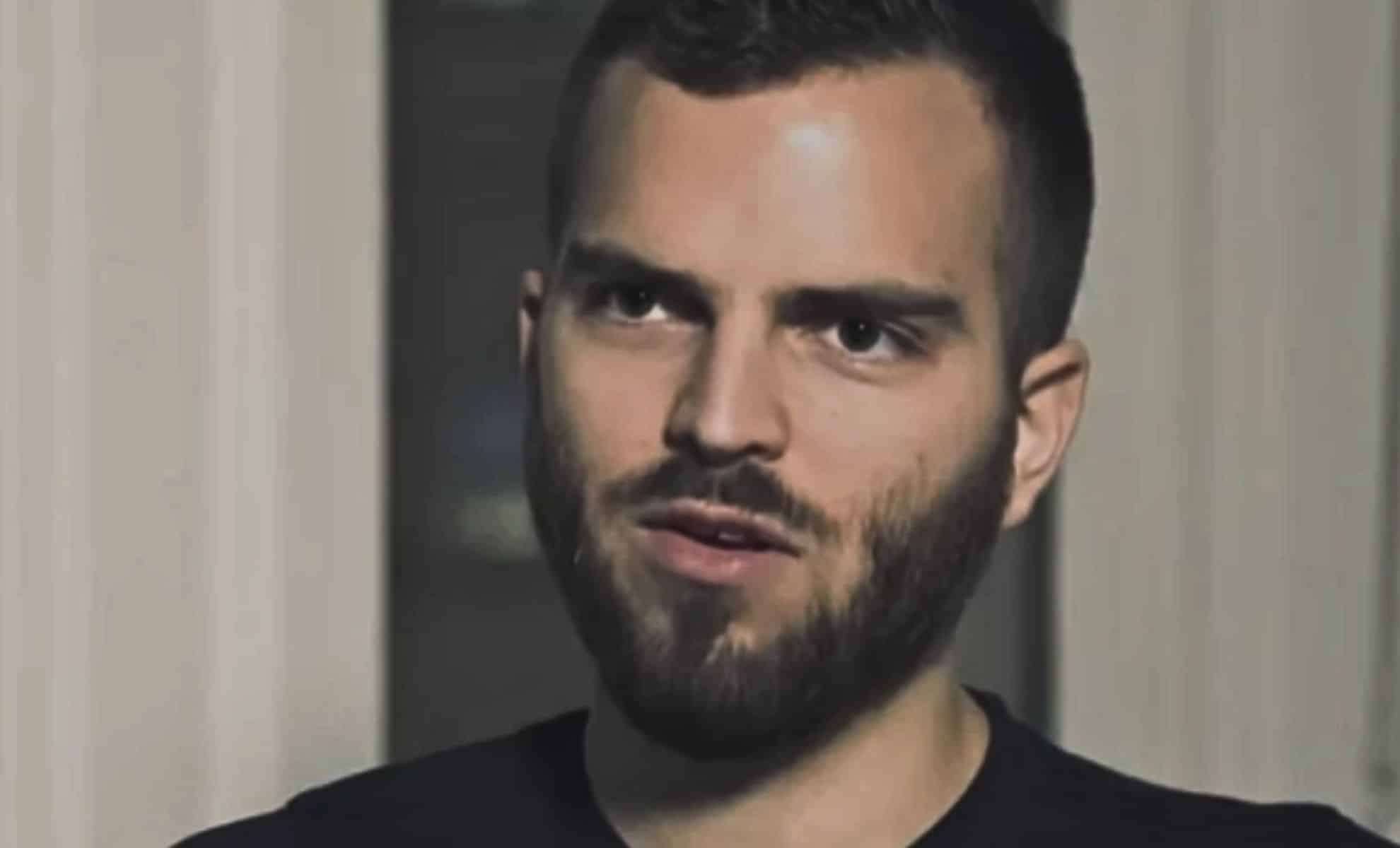
Back in 2011, Stefan Thomas, a German programmer then residing in San Francisco, produced an introductory video titled “What Is Bitcoin?” to demystify the emerging cryptocurrency. For his work, he was compensated with 7,002 bitcoins, a sum that was valued under $7,000 at that time.
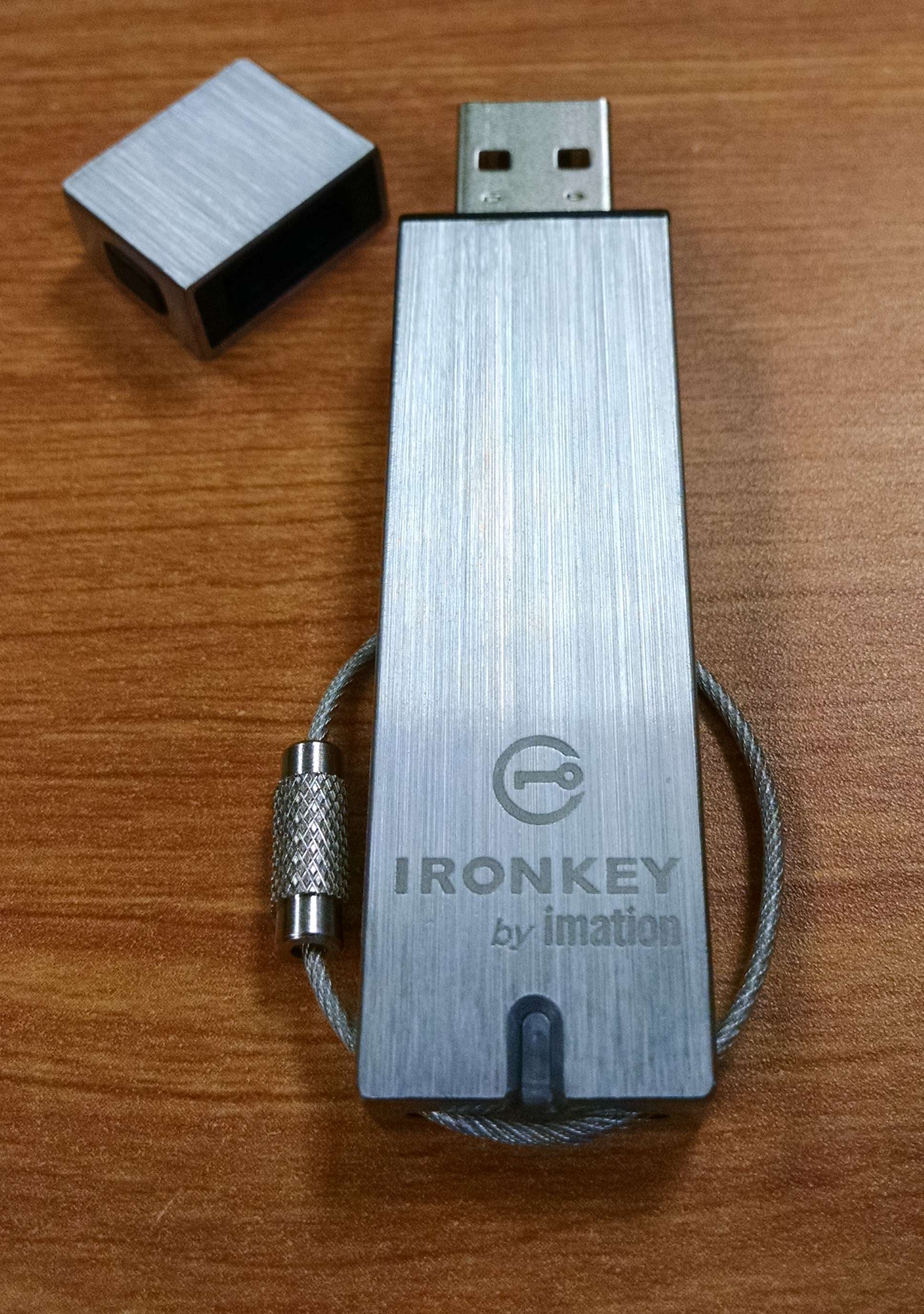
Confident that he would never forget the access code, Thomas jotted the password on a slip of paper which eventually went missing. The bitcoins were stored on a digital wallet locked inside an IronKey S200 USB device, notable for its high-security, military-style encryption. This specialized device restricts users to only 10 attempts to enter the correct password before it self-eradicates all data.
By 2021, with Bitcoin prices soaring above $30,000, Thomas's crypto holdings were now worth over $200 million. After making eight unsuccessful password guesses, he had just two chances remaining—each attempt a high-stakes risk between tremendous financial gain and irrevocable loss.

Unciphered's Breakthrough: A Potential Solution
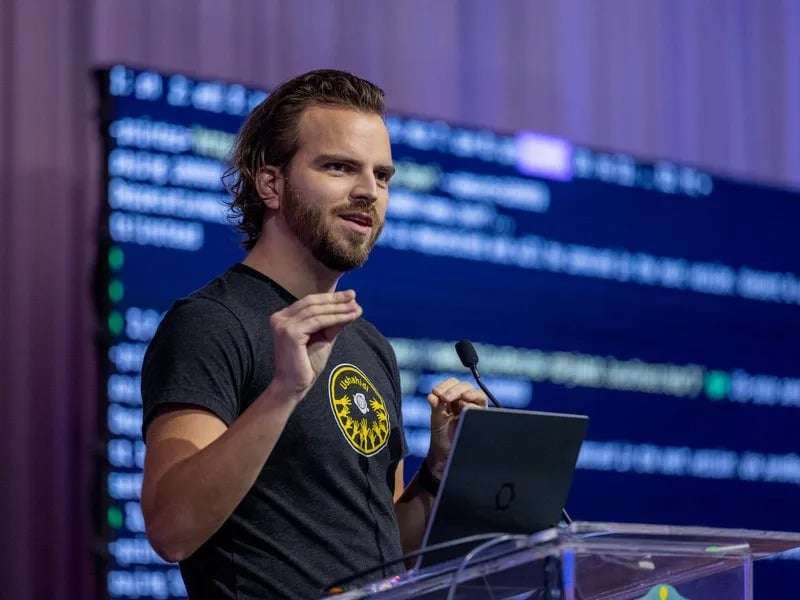
Near the end of 2023, cybersecurity company Unciphered revealed they had engineered a method to bypass the IronKey’s self-destruct limit. Their innovation enabled unlimited password entries without activating the device’s wipe protocol.
To demonstrate their success, they acquired an identical IronKey S200, removed its chip, and applied a combination of microscopic analysis, fault injection, and bespoke firmware to reset the security counters. “We cracked the IronKey,” said Unciphered co-founder Eric Michaud in an interview with Wired. He described the achievement as a milestone comparable to a “moon landing” for their team.
For many observers, this development seemed like a lifeline for Thomas, whose bitcoin holdings have fluctuated in value between $220 million and nearly $800 million depending on Bitcoin’s market price. However, surprisingly, Thomas decided to decline Unciphered’s assistance.
The Reason Behind the Rejection
Thomas revealed he had already made informal agreements, or “handshake deals,” with two other entities:
- Naxo, a digital forensics team based in New York.
- Chris Tarnovsky, a well-known hardware hacker featured in Wired for his skill in breaching highly secure chips.
Respecting those prior commitments, Thomas opted not to accept the support from Unciphered, even though neither Naxo nor Tarnovsky have publicly confirmed any breakthroughs.
Unciphered expressed disappointment, highlighting that their technique had been tested and could resolve the issue swiftly. Meanwhile, Thomas has grown cautious of media exposure and wary of being flooded with requests from treasure-hunters, hackers, and companies promising quick fixes. He prefers to quietly collaborate with his trusted experts.
The Psychological Impact of Locked Wealth
Thomas has candidly shared the intense emotional toll this experience has taken on him. “I would lie awake just thinking about it,” he confessed, capturing the psychological strain of possessing vast riches that remain inaccessible. At one point, the burden became so overwhelming that he sought professional therapy to help distance himself emotionally.
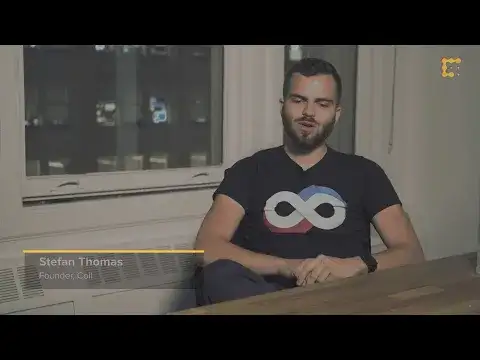
Over time, Thomas's perspective has softened. By 2023, he reported achieving a measure of acceptance regarding the possibility that he might never regain access to the bitcoins. He has since shifted his focus toward new projects in blockchain technology, viewing his lost fortune as a costly lesson rather than a devastating catastrophe.
- Categories:
- News












0 comments
Sign in to Comment