
Approximately 45,000 years ago, a remarkable event unfolded in Ice Age Europe. Modern humans migrating from the southeast encountered a landscape inhabited by Neanderthals. These pioneering humans, sharing many anatomical features with us, lived alongside Neanderthals for nearly 5,000 years. This coexistence has left a genetic imprint in non-African populations, accounting for about 2-3% of their DNA. Yet, until recently, the details about these early European settlers remained elusive.
Unearthing Ancient Remains
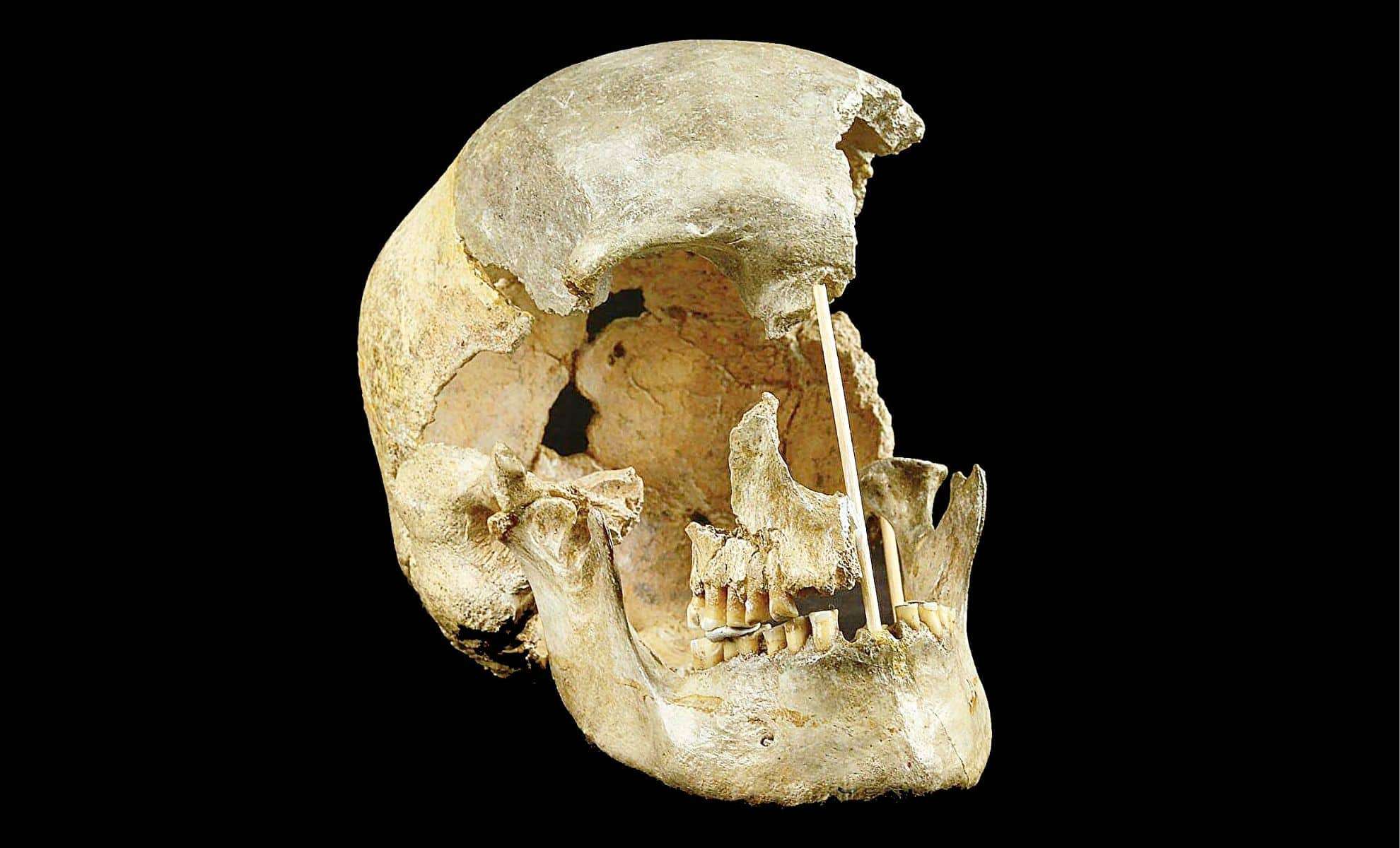
At Ranis cave in Germany, a team of researchers uncovered fragile bones from a minimum of six individuals, dating from 42,000 to 49,000 years ago. This diverse assemblage included adults and children, notably a mother and her child. The discovery prompted further intrigue when a separate skull surfaced in the Czech Republic at Zlatý Kůň, attributed to a woman from the same period.
Initially considered unrelated, genetic analyses demonstrated a surprising familial link: the Zlatý Kůň woman and two individuals from Ranis were distant kin, five or six degrees removed, implying these groups belonged to an extended community.

Bridging Humans and Neanderthals
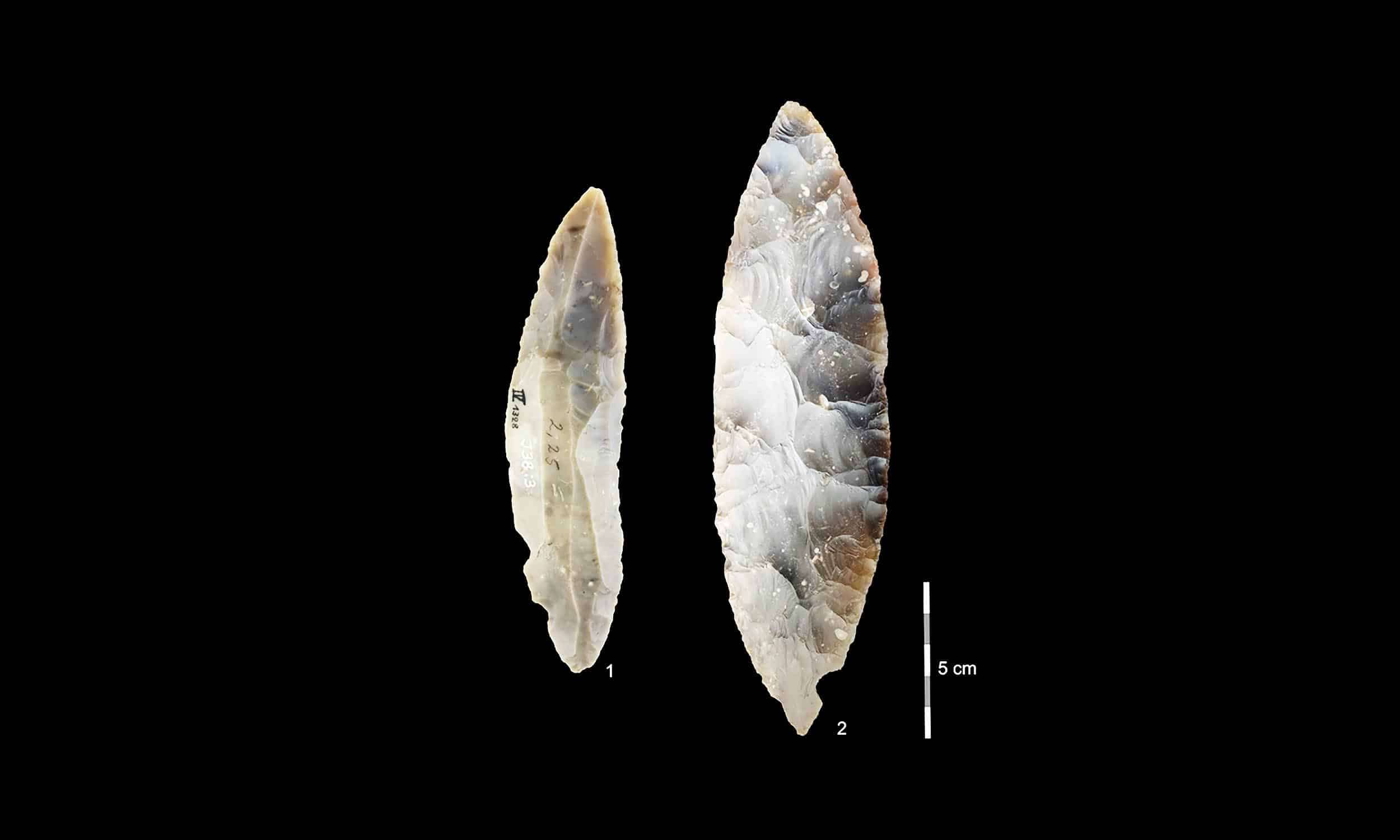
Ranis cave also yielded a unique type of lithic industry known as LRJ tools (Lincombian-Ranisian-Jerzmanowician). Scholars had long debated whether Neanderthals or early modern humans produced these artifacts. The current evidence confirms modern humans crafted these intricately made stone implements. This link extends beyond Ranis, as the Zlatý Kůň individual, though never found with tools, shares genetic ties with the Ranis group.
This finding provided a breakthrough in sequencing ancient genomes. Scientists at the Max Planck Institute for Evolutionary Anthropology successfully decoded the most pristine early human DNA yet. One specimen, dubbed Ranis13, exhibited an exceptionally preserved genome, allowing detailed reconstruction.
An Extinct Branch of Humanity
Although this discovery sheds light on early human history, it also deepens mysteries about their genetic heritage. Unlike other ancient groups in Eurasia, the Ranis and Zlatý Kůň individuals exhibited no recent Neanderthal admixture. Their Neanderthal ancestry matched the ancient admixture event shared by all modern non-Africans, indicating minimal subsequent gene flow with Neanderthals.
More surprisingly, these populations left no genetic descendants. Their lineage vanished completely, implying that despite their pioneering migration, they played no enduring role in the genetic makeup of later humans.
A Tiny, Vulnerable Population
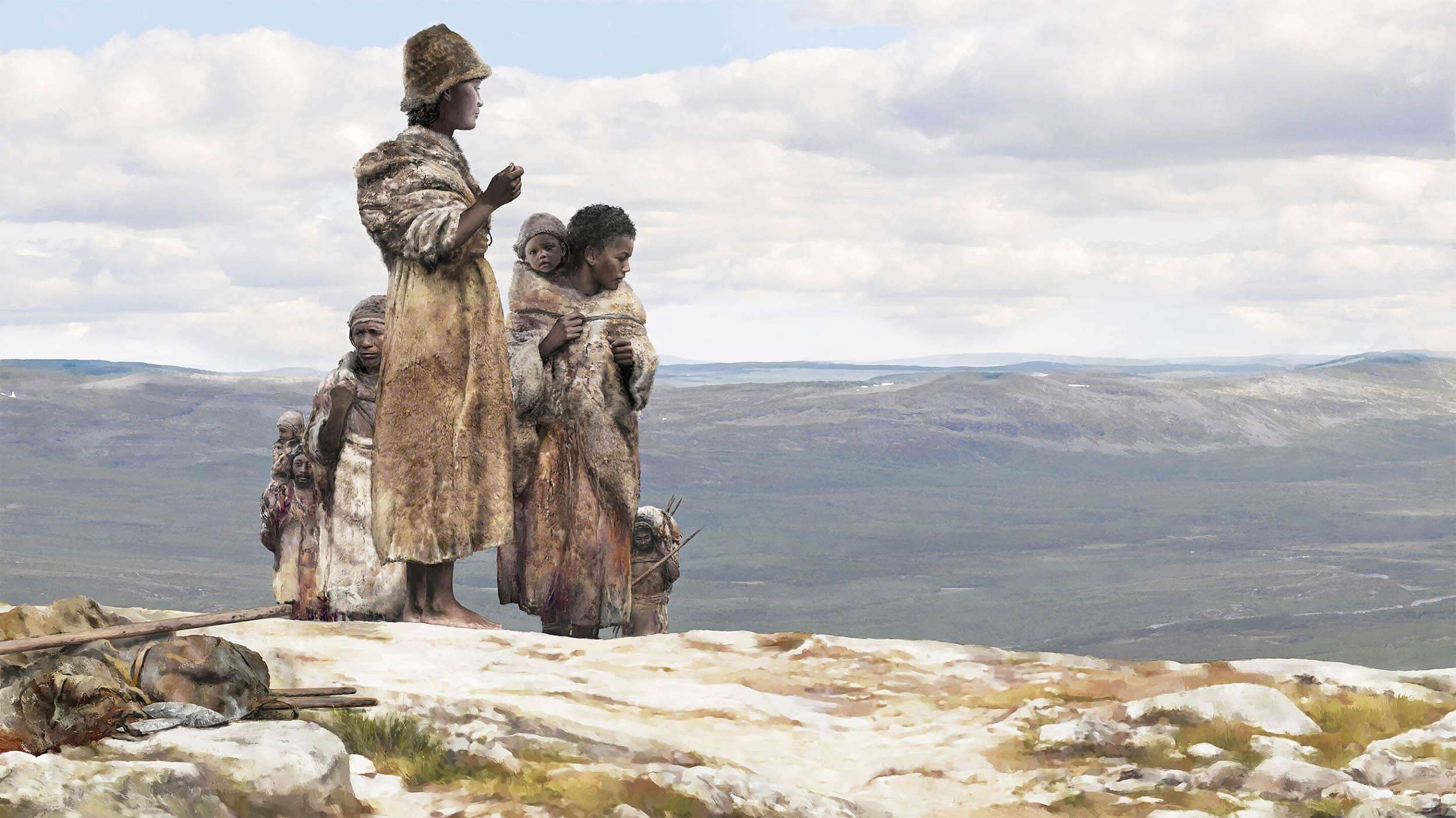
Genetic data suggests this group was small, likely numbering only a few hundred individuals scattered across a vast territory. Life was arduous on Ice Age Europe's frontier—merciless winters coupled with competition from the well-adapted, long-established Neanderthals.
Though they endured only briefly, these early settlers represent some of the first to journey out of Africa and into Europe's frozen expanses. Their fleeting presence offers valuable insights into early human migration patterns and survival challenges in daunting environments.
While the Ranis and Zlatý Kůň populations did not contribute directly to our modern gene pool, their stories endure as chapters in the broader saga of human expansion from Africa to Europe—a journey paving the path to future civilizations and technological triumphs.
- Categories:
- News







0 comments
Sign in to Comment