
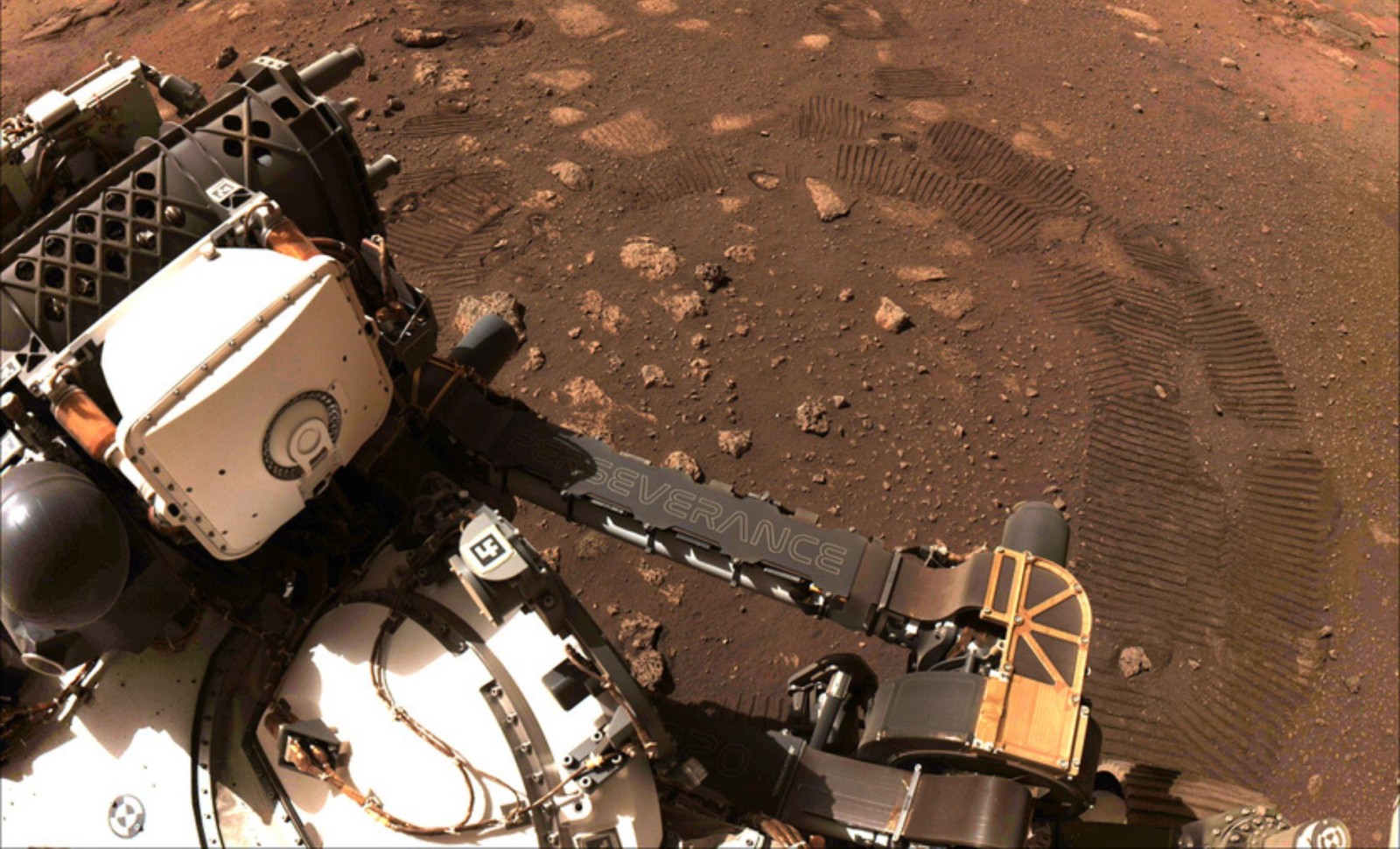
NASA’s Perseverance rover has recently identified remarkable wind-sculpted features on Mars called megaripples. Its latest examination focused on a ripple field named Hazyview, which stands out as one of the most striking terrain formations encountered during its journey.
Unlike prehistoric river channels or ancient lakebeds that reveal a wetter Martian past, these immense ripple formations reflect the planet’s more recent atmospheric activity. Mars, characterized today by its dry conditions and thin air, still displays how its persistent wind shapes the landscape, moving sand and dust to alter surface features in both subtle and dramatic manners.
Hazyview: A Land Where Martian Winds Hold Sway
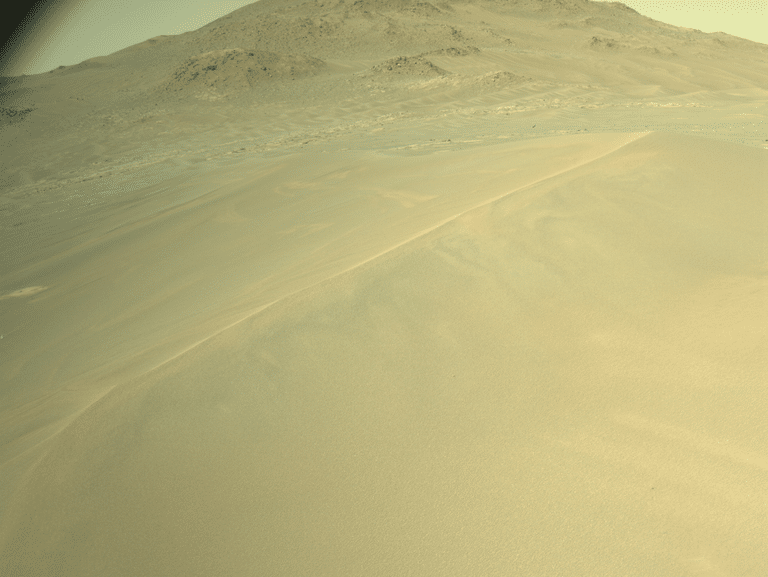
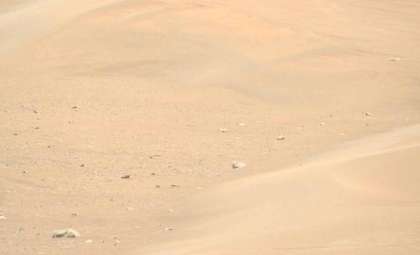
The Perseverance rover’s newest investigation centered on Hazyview, situated within the broader region called Honeyguide. This area houses some of the most prominent and visually unique megaripples documented during the rover’s trek, identifiable by their distinct sharp crests and consistent direction. NASA Science explains these formations likely result from prolonged wind activity predominantly blowing from north to south.

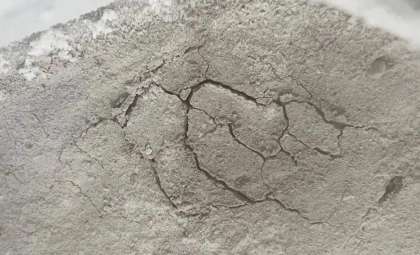
Megaripples such as those found in Hazyview originate from wind-driven transport of sandy particles, which pile up to form ridges that can reach heights near two meters. Their shape and alignment provide clues about wind patterns and atmospheric effects. Interactions between airborne water vapor and surface dust may even create a salt-encrusted layer, reinforcing these structures against erosion by wind.
Many megaripples are thought to be currently dormant, preserving valuable records of past wind and climate trends over geological timeframes. However, scientists from Purdue University, contributors to the NASA blog, have observed indications of potential renewed activity triggered by strong winds, suggesting Mars’s surface continues to evolve subtly.
Kerrlaguna Compared to Honeyguide: Assessing the Differences
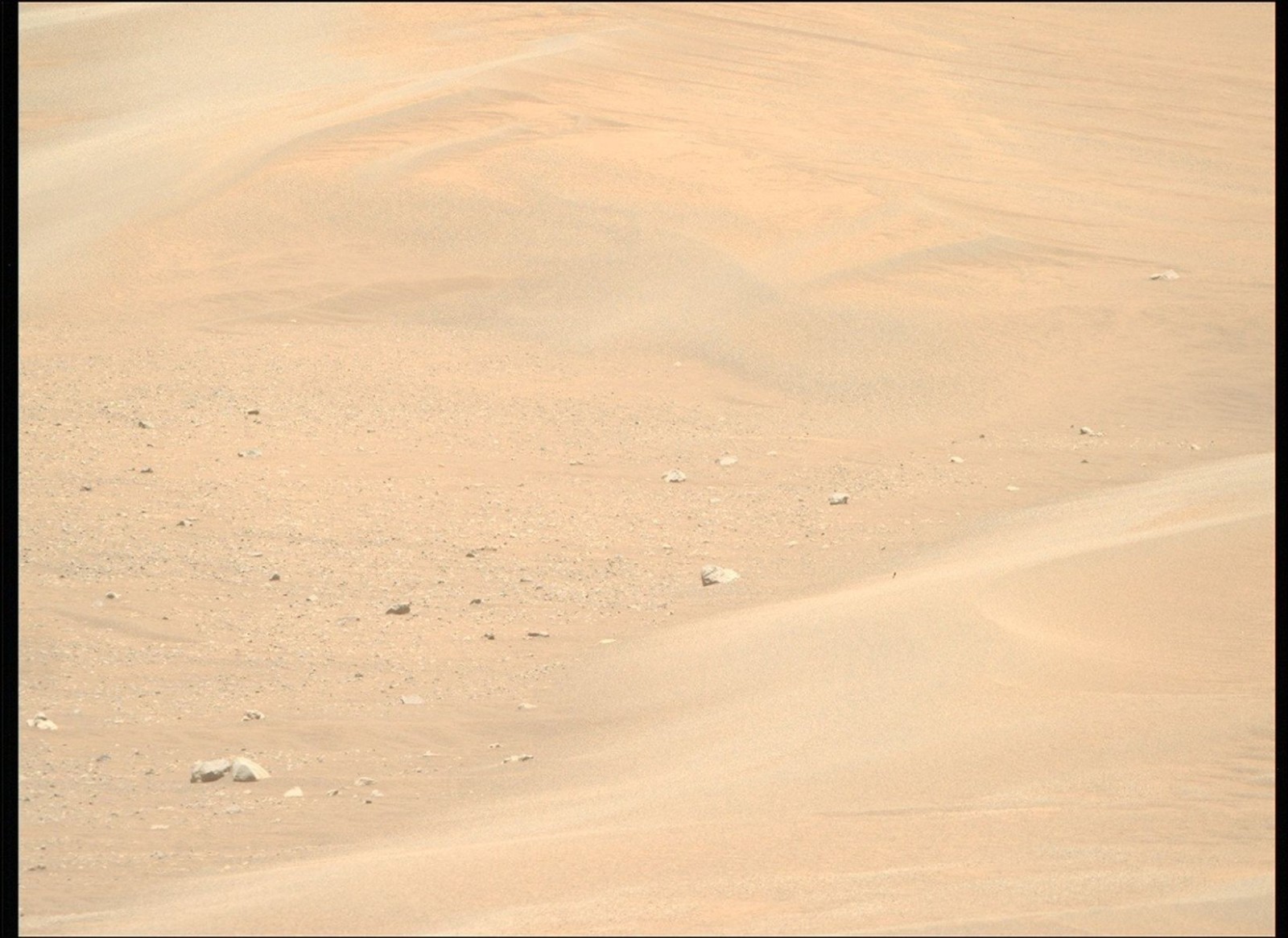
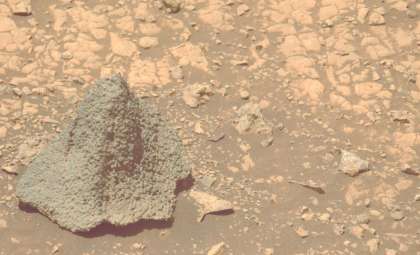
Prior to arriving at Hazyview, Perseverance extensively examined Kerrlaguna, a site with similarly dusty but mostly inactive megaripples. This early study provided a reference point for a “typical” ripple landscape under more stable, calm wind influences. In contrast, Honeyguide revealed megaripples that were larger, more expansive, and showed more consistent alignment, indicating stronger or steadier wind patterns in that vicinity.
This observational contrast enabled researchers to perform a comparative assessment, shedding light on how ripple structures vary depending on environmental conditions on Mars. Through detailed analysis, it became possible to distinguish features formed by ancient atmospheric forces from those shaped by recent wind activity.
Understanding these dynamics goes beyond pure science; it helps inform the planning of future missions where wind-blown sand influences rover movement, resource harvesting, and the design of equipment tailored to Martian surface conditions.
Advanced Instrumentation Probes Mars’s Surface Features
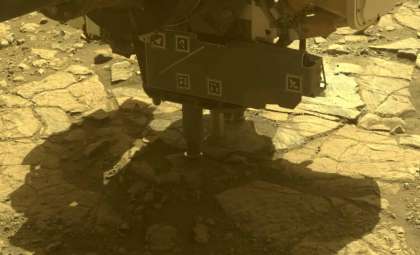
During its investigations at Hazyview, Perseverance executed over 50 scientific measurements, utilizing onboard tools like SuperCam, Mastcam-Z, MEDA, PIXL, and WATSON. Each instrument contributed unique data, ranging from grain size and chemical composition analyses to monitoring morning surface frost and signs of minor sediment shifts between ripple crests and valleys.
The SuperCam was pivotal for distant high-detail analysis, while Mastcam-Z delivered high-resolution images spanning large areas. Instruments such as PIXL (Planetary Instrument for X-ray Lithochemistry) helped map the elemental makeup of ripples, contributing to understanding how atmospheric moisture aids in forming protective crusts. In the words of NASA:
“The investigation of the “Hazyview” bedform builds directly on the results from “Kerrlaguna” and represents the most detailed look yet at these intriguing wind-formed deposits.”
- Categories:
- News



0 comments
Sign in to Comment