
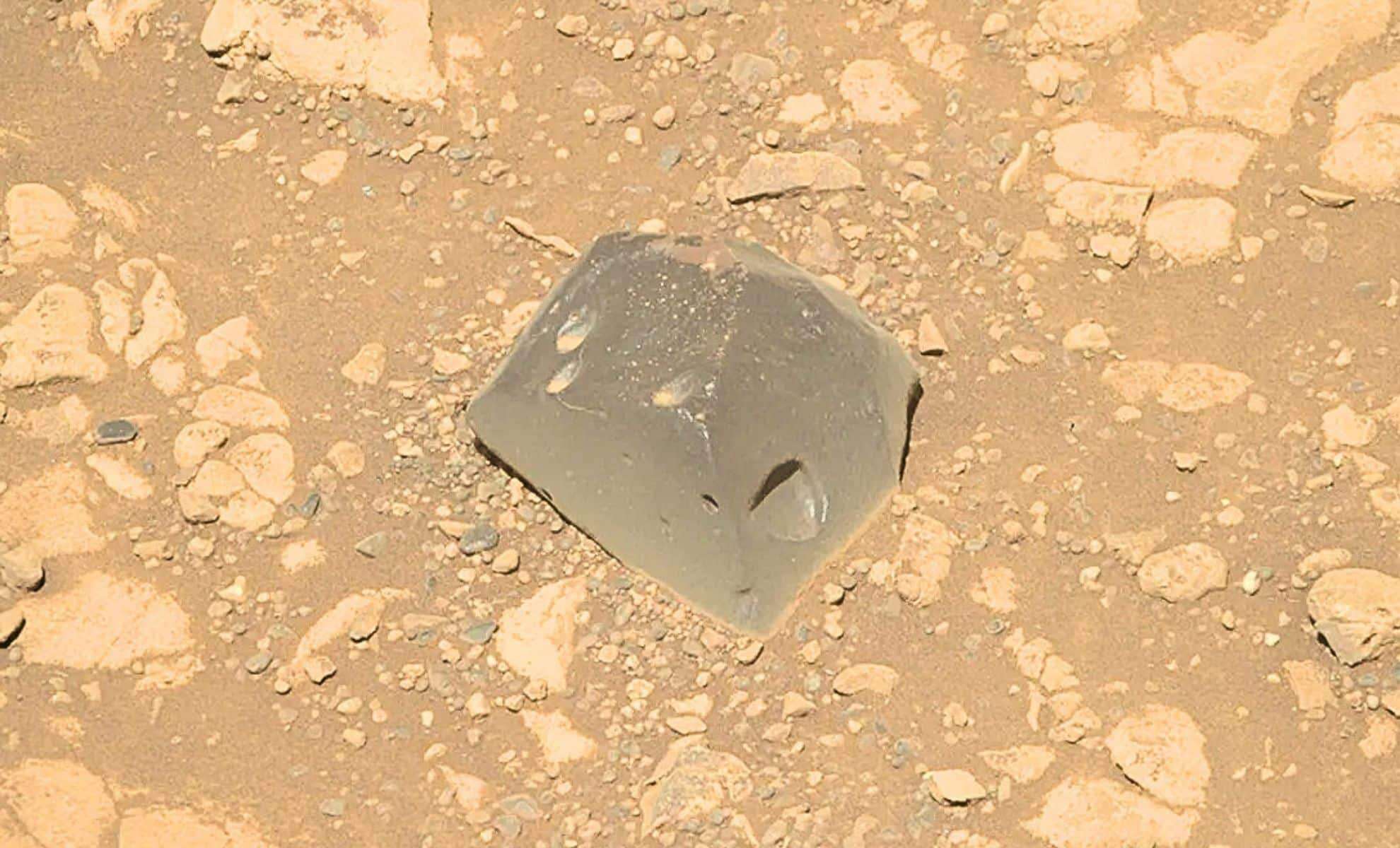
The Perseverance rover from NASA recently identified a fascinating rock on Mars that could significantly alter current understanding of the planet’s geological evolution.
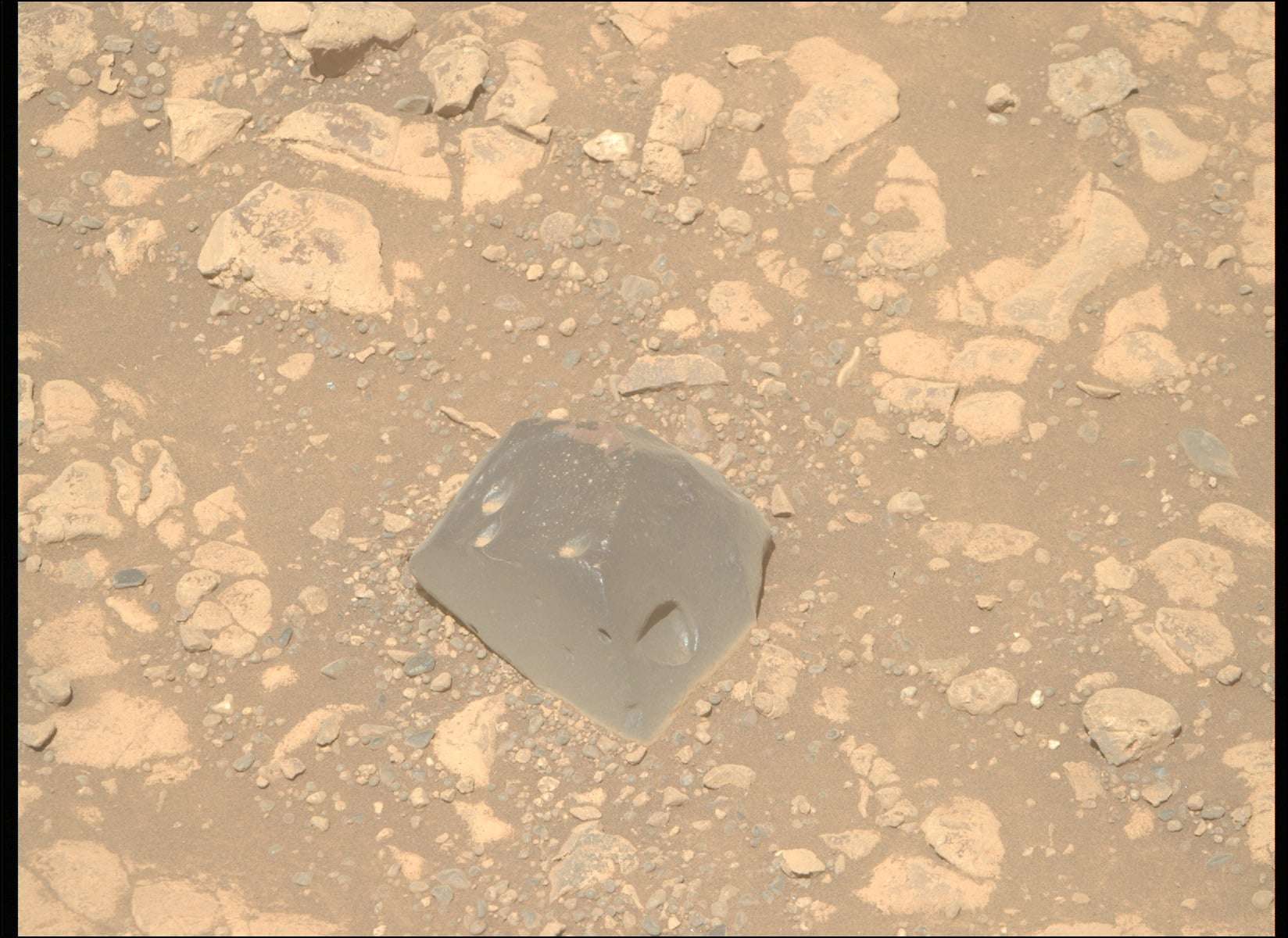
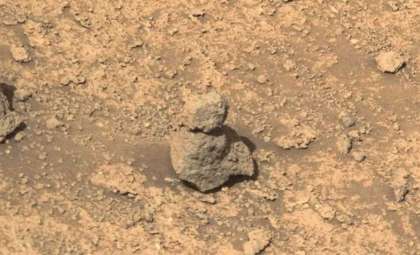
Located along the edge of the Jezero Crater, this rock, dubbed “Skull Hill,” is distinguished by its dark hue, jagged texture, and distinctive pitted surface. As the rover continues its descent from the higher slopes of “Witch Hazel Hill,” this unexpected find raises fresh questions about the rock’s origin.
The “Skull Hill” specimen was uncovered at a key intersection known as “Port Anson,” where two contrasting sections of light-colored and dark-toned terrain converge. These distinct zones observed from orbit intrigue scientists aiming to decode Mars' geological mechanisms.

Geologists classify this rock as a “float rock,” implying it was likely transported from a different region and deposited at its present site, deepening the enigma surrounding its history.
Distinctive Features of ‘Skull Hill’
“Skull Hill” stands out with its pronounced dark coloration and angular shape, contrasting vividly with the paler rocks nearby. The presence of prominent pits on its surface may have resulted from either weathering of embedded fragments or erosion shaped by Martian winds.
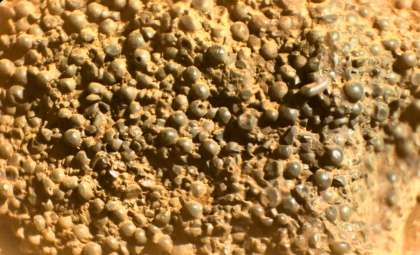
Adding to the intrigue, the surrounding regolith contains tiny spherical objects called “spherules,” which might reveal critical information about Mars’ ancient environment. These spherules have become a focal point for ongoing research by the Perseverance scientists.
By investigating these spherules, the team hopes to uncover clues about the planet’s historical conditions.
These structures might have formed through volcanic processes or possibly other mechanisms hinting at conditions that could once have supported life, questioning Mars’ habitability in the past.
Could ‘Skull Hill’ Be a Space Rock?
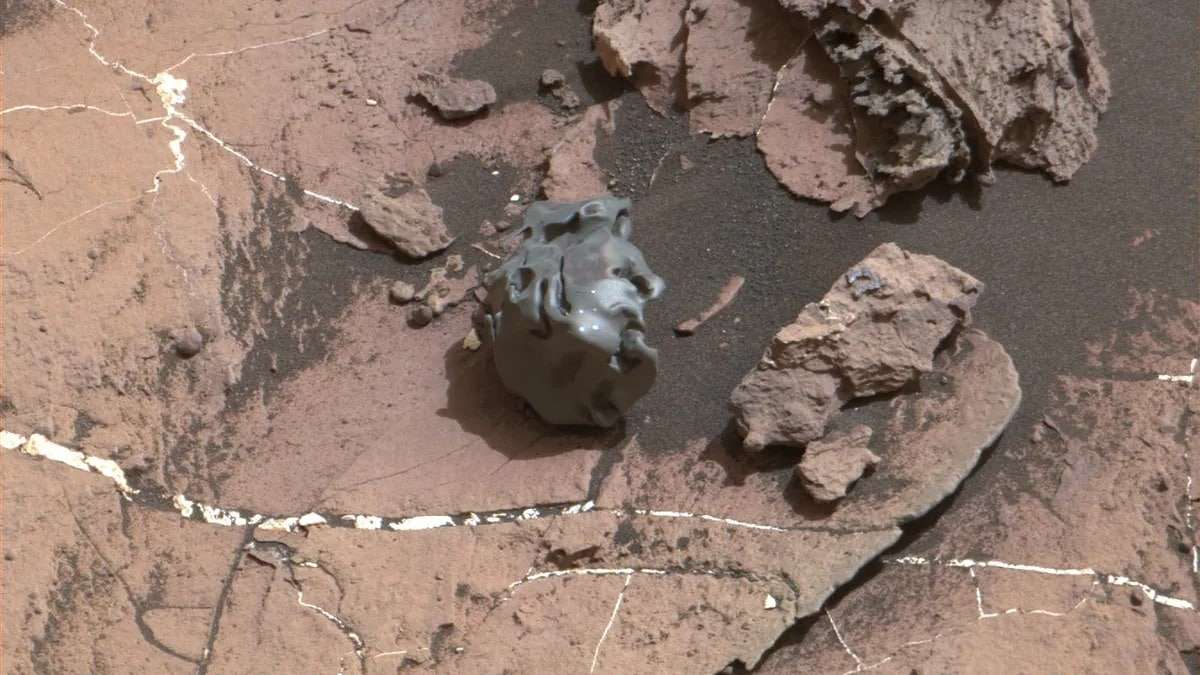
Early hypotheses suggested “Skull Hill” might be a meteorite since it resembles meteorites previously spotted by the Curiosity rover at Gale Crater. Such meteorites commonly feature a dark exterior and elevated iron and nickel levels.
Nonetheless, recent findings from Perseverance’s SuperCam instrument indicate that “Skull Hill” differs chemically from typical meteorites discovered on Mars, based on chemical analyses of adjacent rocks.
While a meteorite origin remains plausible, researchers also consider that “Skull Hill” may be an igneous formation, created from solidified magma or lava over geological time.
On both Earth and Mars, igneous rocks often contain minerals such as olivine, pyroxene, and amphibole, which give them a darker appearance—potentially explaining the mysterious Skull Hill rock.
Was ‘Skull Hill’ Launched Here by an Impact Event?
Another explanation for the rock’s presence at Jezero Crater is that it was thrown there by an impact event in Mars’ past.
Impact craters can create debris fields by ejecting materials from deep beneath the surface and scattering them across large areas.
“Skull Hill” could represent one of these displaced chunks, arriving at its current spot after being blasted from its original source.
Though this theory is enticing, further chemical analysis is essential to confirm or dismiss an impact origin.
Equipped with sophisticated tools, the Perseverance rover will keep analyzing this rock’s composition to provide more evidence as scientists delve deeper into the mystery.
- Categories:
- Space











0 comments
Sign in to Comment