
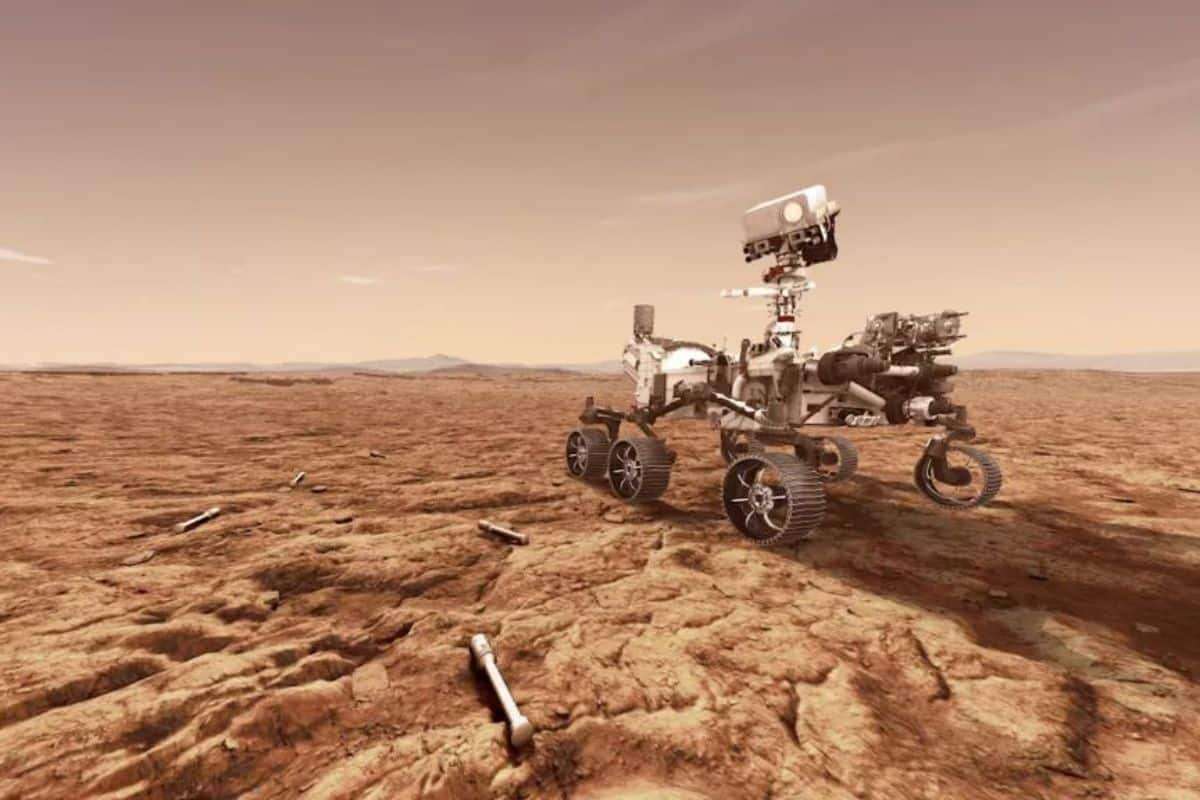
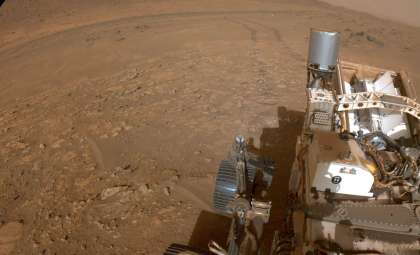
The Perseverance rover, operated by NASA, has uncovered fascinating new rock varieties during its mission on Mars, potentially identifying the oldest specimens ever recorded on the planet. While exploring the Jezero Crater, the rover revisited several key spots multiple times to conduct detailed examinations of these captivating rocks.
Researchers believe these rocks may be instrumental in unlocking Mars’ ancient geological narrative and could provide insights into the planet’s former habitability.
Unveiling Mars’ Geological History
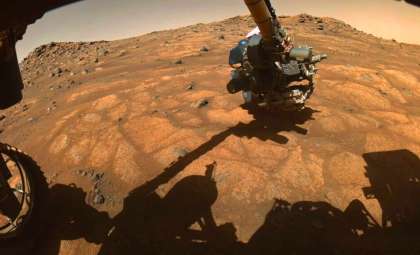
As part of the Crater Rim Campaign, Perseverance is investigating ancient rock layers uplifted around Jezero Crater to decode the Red Planet’s early environmental conditions. This ongoing mission concentrates on evaluating whether liquid water and microbial life may have existed in this region billions of years ago.
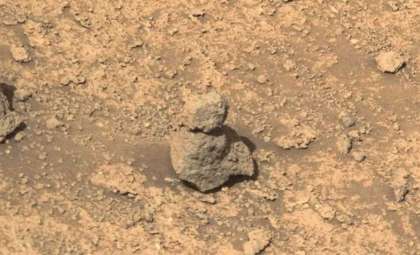
In traversing the Martian landscape, the rover has identified a variety of previously undocumented rock types. This discovery prompted scientists to adjust the rover’s path to conduct focused sampling at these intriguing formations. Each rock outcrop studied so far tells a distinct story, highlighting the complexity and variety of Mars’ geology in this locale, as noted in this article.

The Remarkable "Serpentine Lake" Discovery
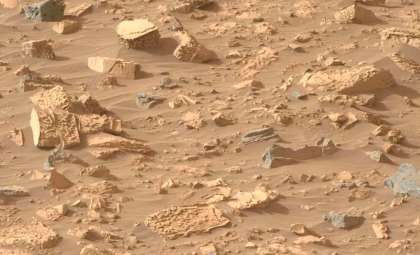
Among the notable finds, the rover’s investigation of a rock nicknamed “Serpentine Lake” stands out. Utilizing its SHERLOC instrument, which is designed to detect organic molecules and minerals altered by water, Perseverance detected an unexpectedly high level of serpentine minerals in this sample.
Serpentine forms through chemical reactions involving water, often within hydrothermal settings. This discovery points to the possibility that the area experienced prolonged water activity under potentially life-supporting conditions. The rock’s unique “cookies and cream” texture also suggests a layered and dynamic geological past.
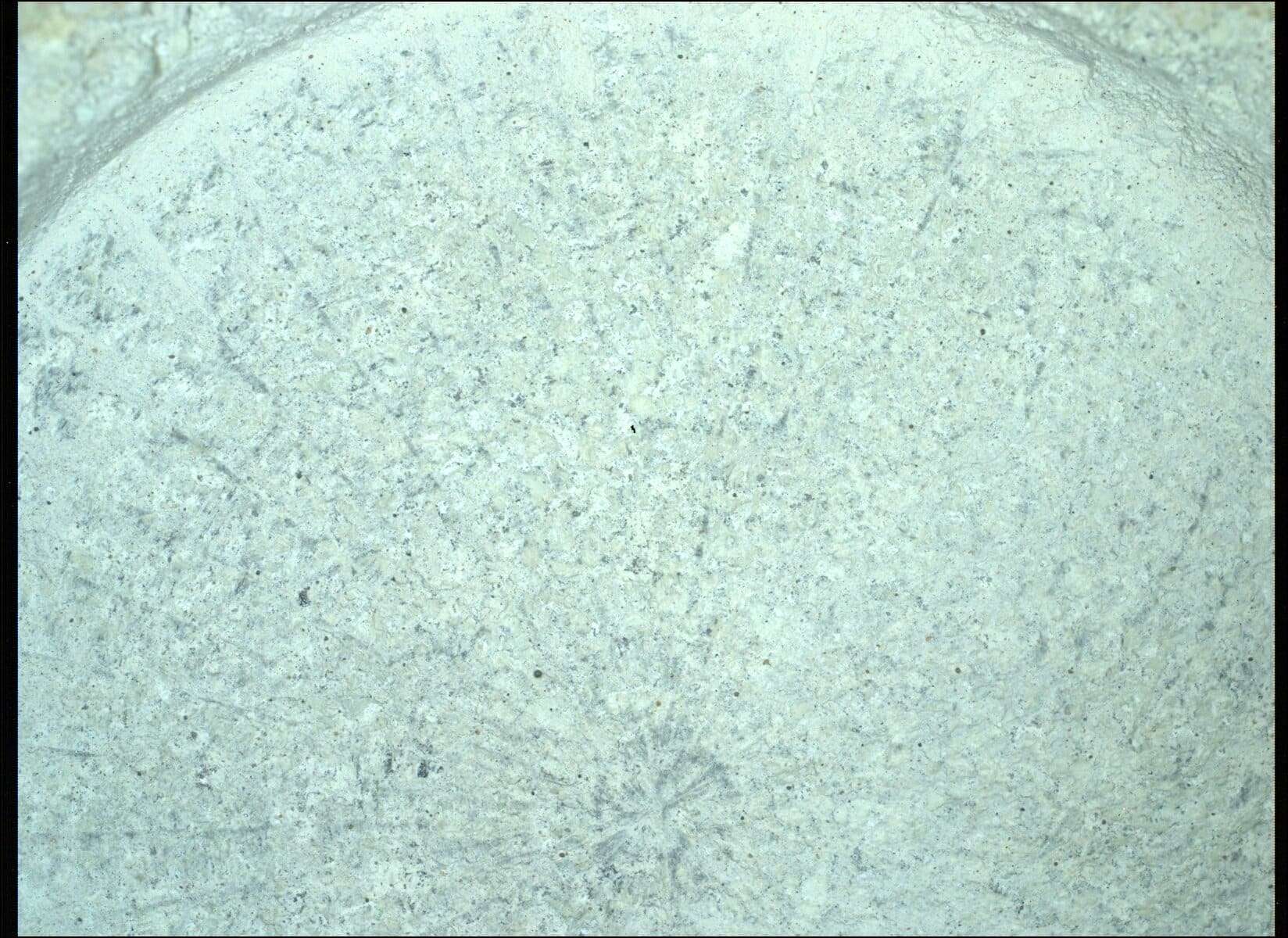
NASA’s Mars Perseverance rover captured this image of the intriguing texture of the rock sample dubbed “Serpentine Lake.”
Overcoming Obstacles in Martian Rock Sampling
Although Perseverance excels at pinpointing compelling rock types, gathering physical samples remains challenging. When attempting to core a sample from another interesting rock called “Cat Arm Reservoir,” the extracted material disintegrated into dust rather than remaining solid within the sample tube.
Such difficulties are well documented in Perseverance’s earlier missions. Certain Martian rocks are extremely fragile, fracturing under the drilling process and complicating sample collection. Scientists are optimistic that the “Serpentine Lake” rock will prove resilient enough to yield an intact core, which would offer valuable data about Mars’ watery past.
Upcoming Exploration Targets for Perseverance
Following its investigations at Serpentine Lake, Perseverance will move toward Broom Point, an area known for striking multi-layered rock formations. Researchers anticipate that these geological features may disclose further information about the planet’s ancient environmental conditions and geoscience.
Each new piece of data from Perseverance advances our understanding of Mars’ history and plays an essential role in answering whether the Red Planet ever harbored life, one of the central mysteries in planetary exploration.
- Categories:
- Space







0 comments
Sign in to Comment