
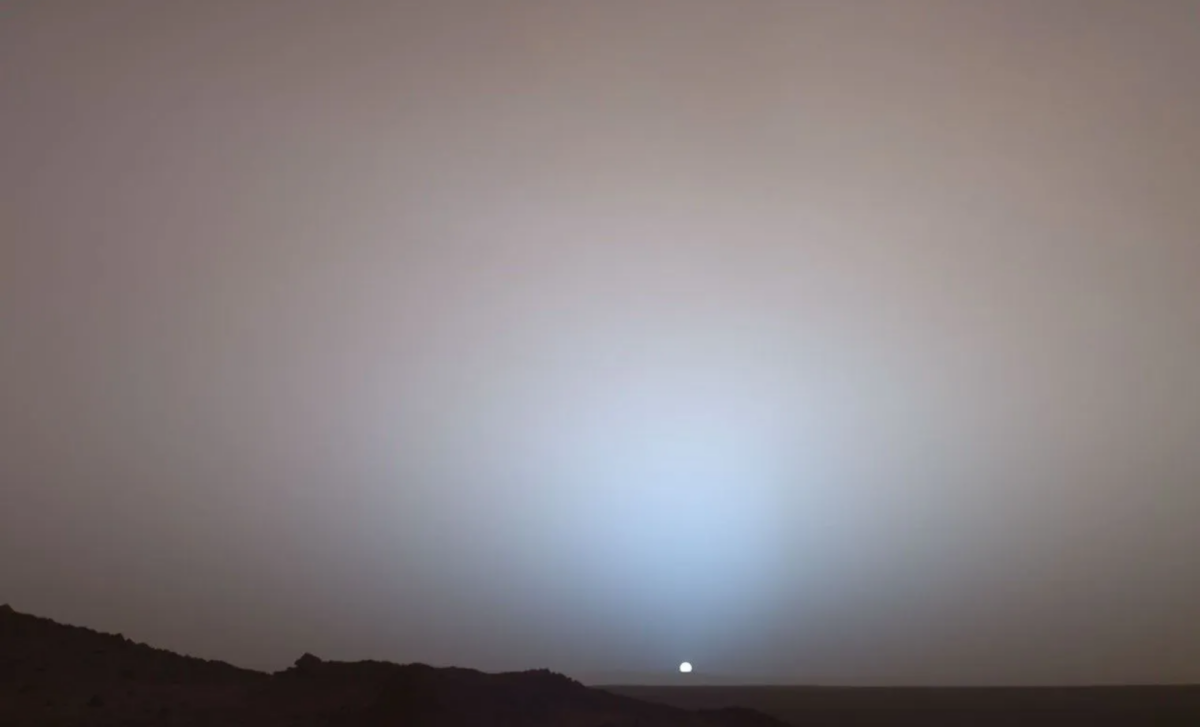
Recent imagery from the ESA’s ExoMars Trace Gas Orbiter delivers an unprecedented look into Mars’ atmosphere. These detailed visuals disclose numerous thin atmospheric strata illuminated during twilight, revealing the planet’s intricate environmental processes. The comprehensive analysis appeared in Science Advances, where experts discuss how these observations illuminate patterns in dust, aerosols, and seasonal shifts on Mars.
Capturing Martian Twilight From Orbit
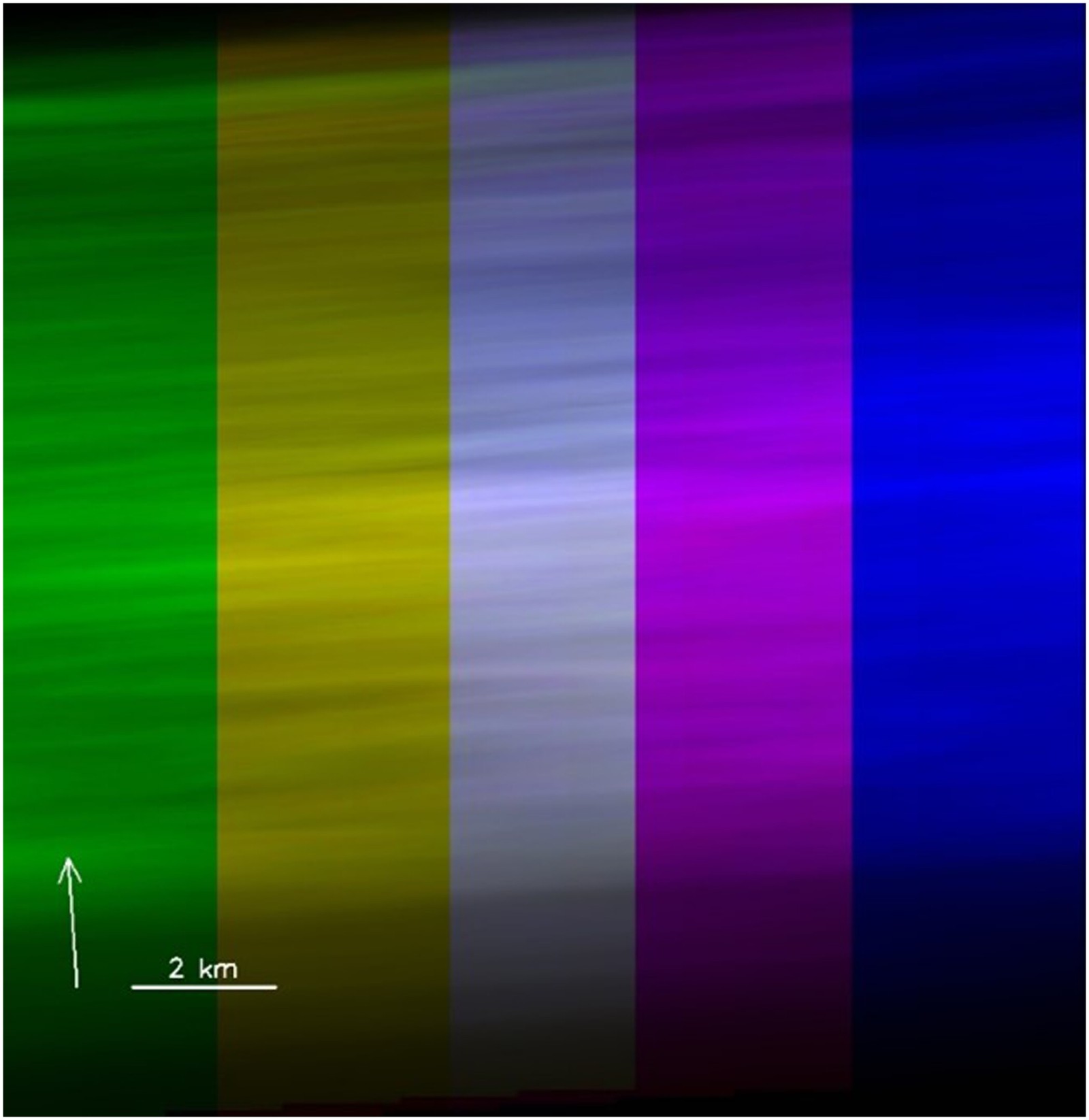
On January 21, 2024, the ExoMars Trace Gas Orbiter (TGO) passed over the southern Terra Cimmeria highlands, approximately 250 miles above the surface, and photographed the sunset through its Color and Stereo Surface Imaging System (CaSSIS). By orienting the camera toward the horizon and employing a forward-scattering technique, the orbiter revealed fine atmospheric layers, some merely hundreds of meters thick.
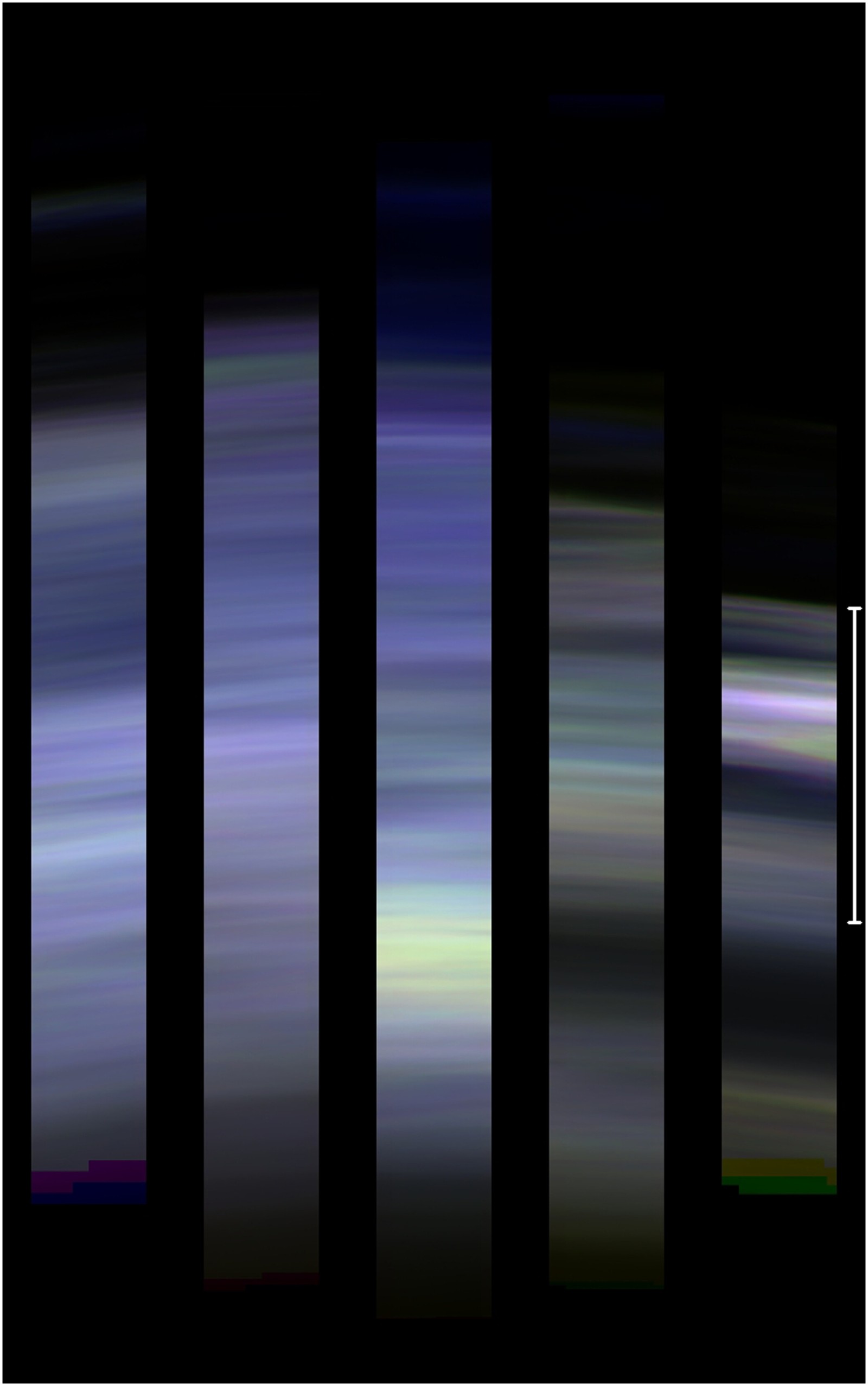
The imaging sequence comprised five strips spaced about 124 miles apart along the trajectory, each showing narrow layers ranging roughly from 9 to 34 miles in altitude. These visual slices enabled researchers to examine the vertical distribution of ice, dust, and aerosols within the Martian atmosphere. The orbiter's precise rotation and imaging speed of nearly 2 miles per second were key to capturing these striking views.

Color Shifts and Atmospheric Particle Insights
The sunlight passing through Mars’ atmosphere revealed subtle color gradations from blues to reds, detectable by the CaSSIS camera. These chromatic variations indicate changes in particle size and composition at different heights. Dust-rich, lower atmospheric layers exhibited warmer tones, while upper layers showed cooler blue hues—corroborating earlier findings that finer particles prevail aloft.
“When the blue light scatters off the dust, it stays closer to the direction of the Sun,” said Mark Lemmon, a Curiosity team member, explaining the unique scattering effect seen at Martian twilights. This forward scattering creates blue sunsets near the horizon, contrasting Earth’s typical sunset colors.
At altitudes exceeding 27 miles, some layers shift back toward red shades, implying complex chemical or compositional changes in Mars’ upper atmosphere. Scientists hypothesize that minuscule ice particles, possibly water or carbon dioxide ice, dominate beyond certain heights, indicating an atmospheric transition requiring further research.
Understanding Climate and Seasonal Atmospheric Behavior
The intricate layer structure extends beyond visual splendor, offering vital data for refining Martian climate models, as detailed in Science Advances. Mars’ atmosphere exhibits significant seasonal and solar-driven variability, lacking the stability found on Earth.
The observed layering patterns appear to mark phases of atmospheric calm as well as turbulent dust activity. In the mesosphere, from roughly 29 to 35 miles altitude, discrete haze layers hover above a bright zone near 25 miles, potentially linked to dust lifting processes or seasonal circulation.
Below these heights, denser dust-laden layers dominate, while upper regions show detached ice particulate sheets. These dual-layer phenomena challenge current atmospheric models, emphasizing the necessity for updated simulations that account for particle vertical movement, size distribution, and seasonal effects.
- Categories:
- Astronomy



0 comments
Sign in to Comment