
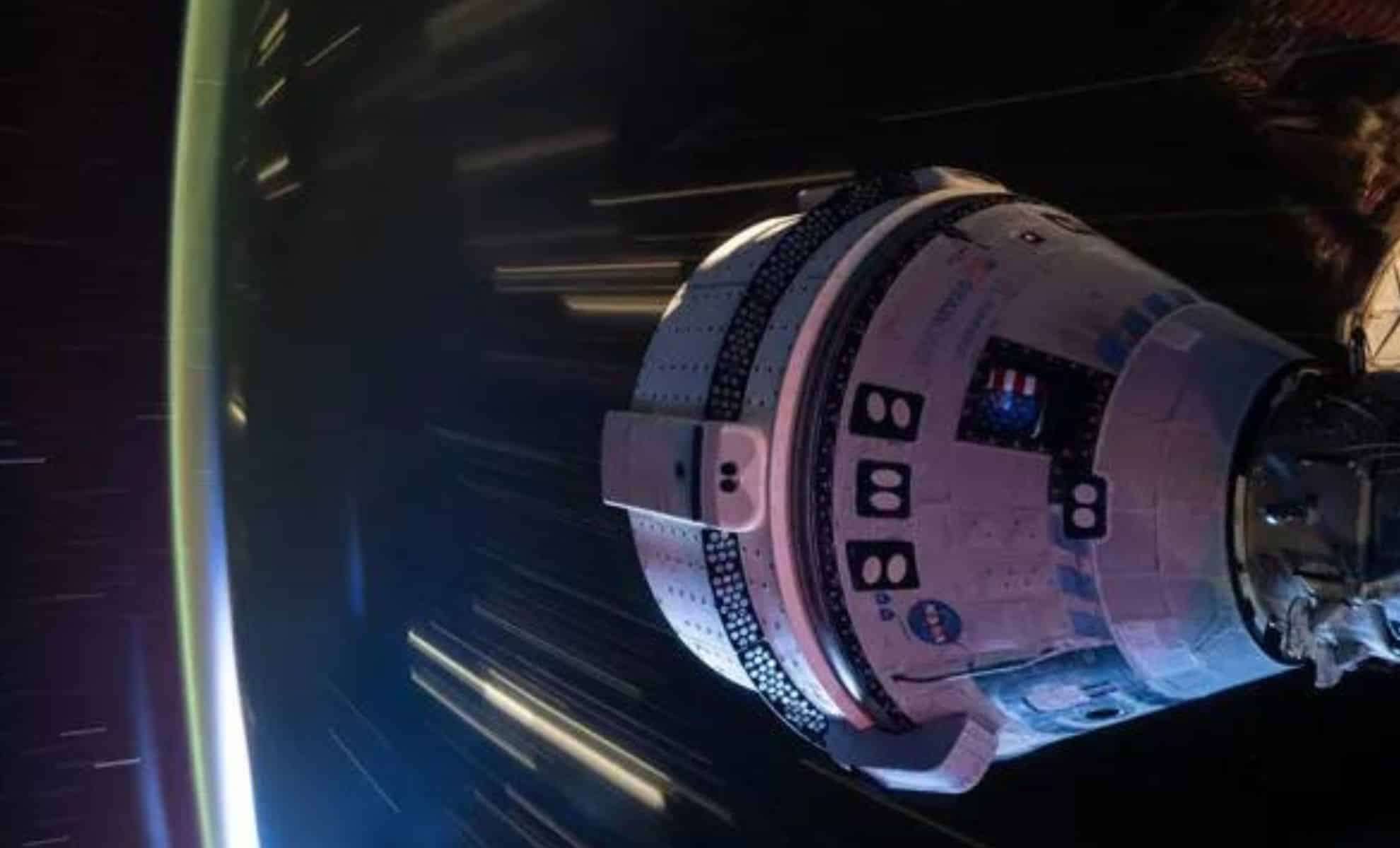
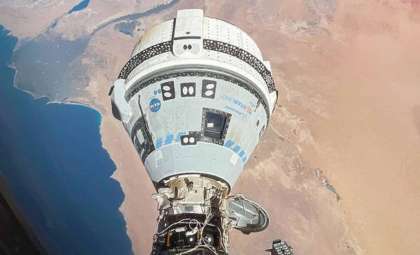
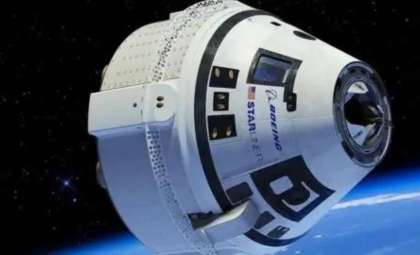
Barry "Butch" Wilmore, a NASA astronaut aboard the International Space Station (ISS), has detected an intriguing and unexplained noise coming from Boeing’s Starliner spacecraft.
This unexpected audio phenomenon adds complexity to a mission already hampered by several technical difficulties. Described as a rhythmic pulsing noise similar to a sonar ping, the sound was heard through the Starliner’s speaker system, leaving engineers at both NASA and Boeing searching for answers.
Identification of the Peculiar Sound
During a routine systems check on August 31, 2024, Wilmore noticed an abnormal auditory signal and promptly informed NASA’s Mission Control at the Johnson Space Center in Houston. Over communications, he explained, “There’s an odd noise coming through the speaker. I’m not sure what’s causing it.” To assist the ground team in analyzing the issue, Wilmore recorded the sound directly from the speaker.

The captured audio featured a steady pulsating rhythm reminiscent of sonar signals used underwater. Mission Control described the sound as "a pulsing noise, almost like a sonar ping," expressing both curiosity and concern. Despite the mystery, Wilmore remained composed, even joking, “I’ll let y’all puzzle over this one and figure out what’s happening,” highlighting the enigma surrounding the noise.
This enigmatic sound has heightened concerns, given it is the latest anomaly affecting the Starliner spacecraft during its mission. Both NASA and Boeing are dedicating resources to determine the sound’s source and potential impact.

Background and Technical Obstacles
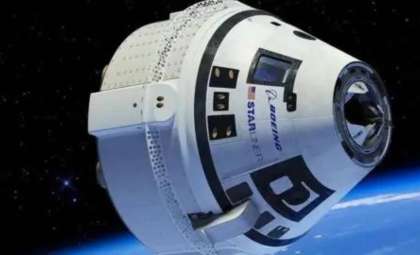
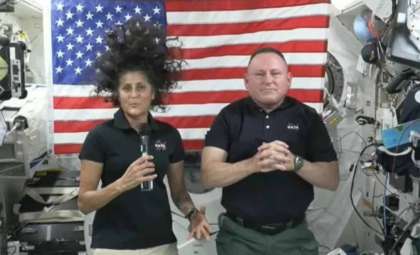
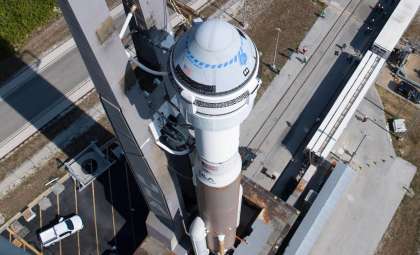
The report of the mysterious noise emerges amidst scrutiny of the Boeing Starliner initiative, which has encountered multiple setbacks and delays. The Starliner, launched on June 5, 2024, for its maiden crewed flight, carried Wilmore and astronaut Sunita “Suni” Williams to the ISS. Originally intended for an eight-day mission, it was extended to several months owing to significant propulsion malfunctions detected soon after docking.
Due to the severity of the propulsion issues, NASA ruled out returning Wilmore and Williams on the Starliner, opting instead to keep them aboard the ISS until February 2025. Their eventual return will be aboard a SpaceX Crew Dragon spacecraft during the Crew-9 mission, reflecting ongoing apprehensions about Starliner’s performance and safety. The recent unexplained sound only adds to these concerns.
The Starliner is slated for undocking on September 6, 2024, embarking on an uncrewed journey back to Earth. The spacecraft’s planned touchdown at the White Sands Space Harbor in New Mexico will rely on parachutes and airbags to ensure a controlled landing. This unmanned return is pivotal for Boeing to gather more data on the vehicle’s systems and resolve encountered technical challenges.
Consequences and Continued Scrutiny
The revelation of this odd noise presents yet another hurdle for Boeing’s Starliner program, a project that has struggled to live up to expectations. Initial coverage by Ars Technica cited a recording shared by meteorologist Rob Dale on the NASA Spaceflight forum. Though the authenticity of the audio hasn’t been independently established, it has ignited notable interest and unease in the space exploration community.
Chris Hadfield, a former Canadian astronaut, commented on social media about the sound’s disturbing quality, stating, “There are several noises I’d prefer not to hear inside my spaceship, including this one that Boeing Starliner is now making.” His reaction reflects a broader apprehension about noises that might indicate deeper spaceship malfunctions risks.
The Starliner project has experienced persistent difficulties throughout its development, which began after the Space Shuttle’s retirement in 2011. NASA partnered with companies like Boeing and SpaceX to create new transport vehicles for astronaut missions to the ISS. While SpaceX’s Crew Dragon has achieved multiple successful missions, the Starliner has yet to reach full operational status.
NASA representatives, including Ken Bowersox, associate administrator for space operations, acknowledge the challenges faced but remain hopeful. Bowersox commented, “We’ve gained valuable insights about Starliner during its journey and docking operations. We’ll continue to collect data from the uncrewed return to refine the spacecraft for future station flights.” His words emphasize NASA’s ongoing commitment to advancing the Starliner despite the setbacks.





0 comments
Sign in to Comment